Enhancing Aircraft Performance and Safety: The Role of Embedded Systems
Category : |
Sub Category : Posted on 2023-10-30 21:24:53
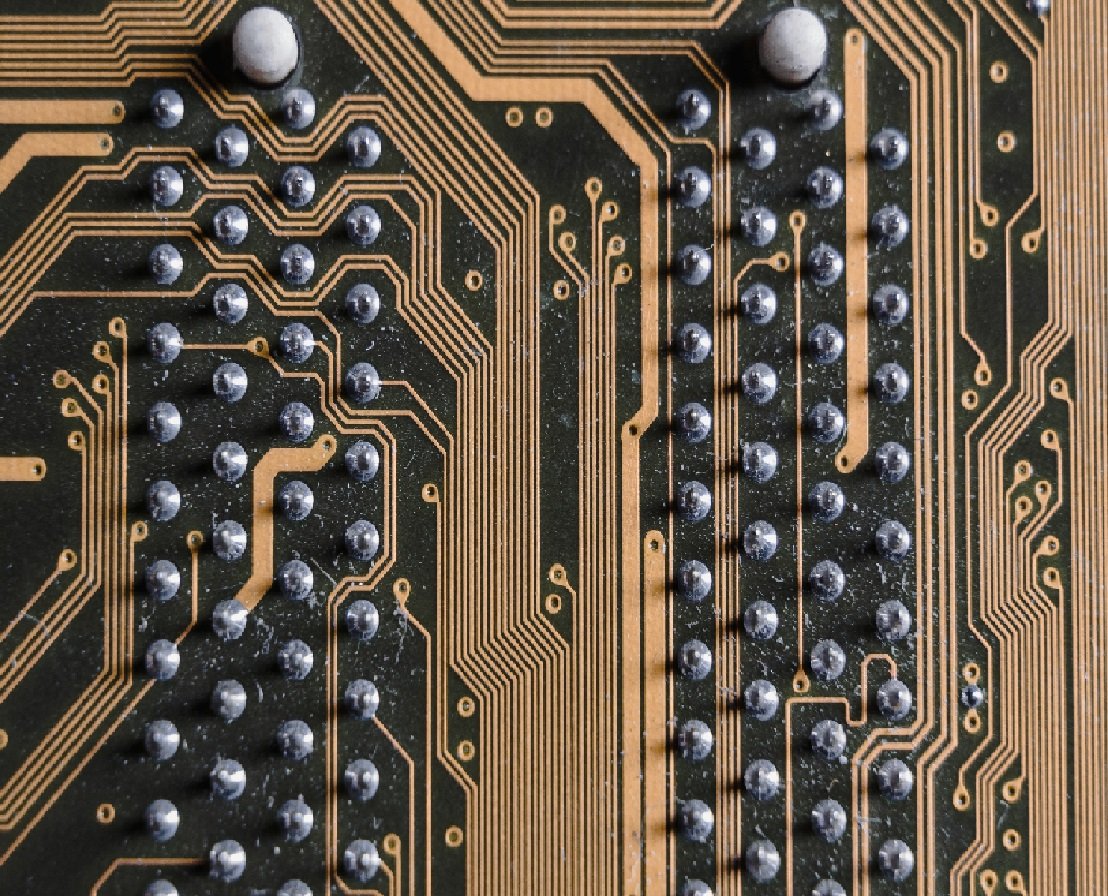
Introduction: As technology continues to advance, so does the aviation industry. Aircraft manufacturers and designers are constantly striving to improve safety, efficiency, and performance. One of the key areas where advancements have been made is in the implementation of embedded systems. These compact and efficient computer systems are now pivotal in the operation of modern aircraft, offering a wide range of advantages. In this blog post, we will explore the role of embedded systems in aircraft and how they contribute to improved performance and safety. Understanding Embedded Systems: Embedded systems are specially designed computer systems that are integrated into a larger system or device, serving a specific function. In the case of aircraft, embedded systems play a crucial role in managing various operations, including flight control, navigation, communication, and monitoring. They are responsible for collecting, processing, and transmitting data, enabling pilots and engineers to make well-informed decisions. Flight Control: Embedded systems have revolutionized flight control in modern aircraft. They provide real-time data analysis, allowing for precise and accurate control of flight surfaces, throttle, and other critical systems. Advanced algorithms and sensors work together to enable the system to respond quickly and efficiently to external factors, such as turbulence or changes in altitude. This not only improves the overall stability and handling of the aircraft but also enhances passenger comfort. Navigation and Communication: Embedded systems are essential for accurate navigation and effective communication in the aviation industry. These systems utilize GPS (Global Positioning System) and other satellite technologies to provide pilots with precise location information, route planning, and real-time weather updates. Additionally, embedded systems facilitate seamless communication between the aircraft and air traffic control, ensuring safe and efficient coordination during the flight. Monitoring and Maintenance: The continuous monitoring of critical systems is crucial in ensuring the safety and reliability of an aircraft. Embedded systems enable real-time monitoring of various parameters, such as engine performance, fuel levels, temperature, and pressure. This data is constantly analyzed, and any anomalies or potential issues are flagged, allowing maintenance crews to take proactive measures. Timely maintenance minimizes downtime, improves efficiency, and reduces the risk of in-flight equipment failure. Enhanced Safety: The integration of embedded systems has significantly improved overall safety standards in aviation. The ability to collect and analyze data in real-time enables the system to detect and predict potential safety hazards, such as icing conditions or engine malfunctions. Flight crews can make informed decisions based on the information provided by these systems, reducing the risk of accidents or incidents. Furthermore, embedded systems offer redundancy, which means that even if one system fails, there is a backup in place to ensure the aircraft's continued operation. Conclusion: Embedded systems have become an integral part of modern aircraft, revolutionizing the aviation industry. From flight control to navigation, communication, monitoring, and safety, these powerful computer systems play a crucial role in enhancing performance and ensuring passenger safety. As technology continues to evolve, we can expect further advancements in embedded systems, providing even more advanced capabilities and improved efficiency in the aviation industry. Visit the following website http://www.jetiify.com Want to learn more? Start with: http://www.s6s.org


