The Role of Power Electronics in Aircrafts
Category : |
Sub Category : Posted on 2023-10-30 21:24:53
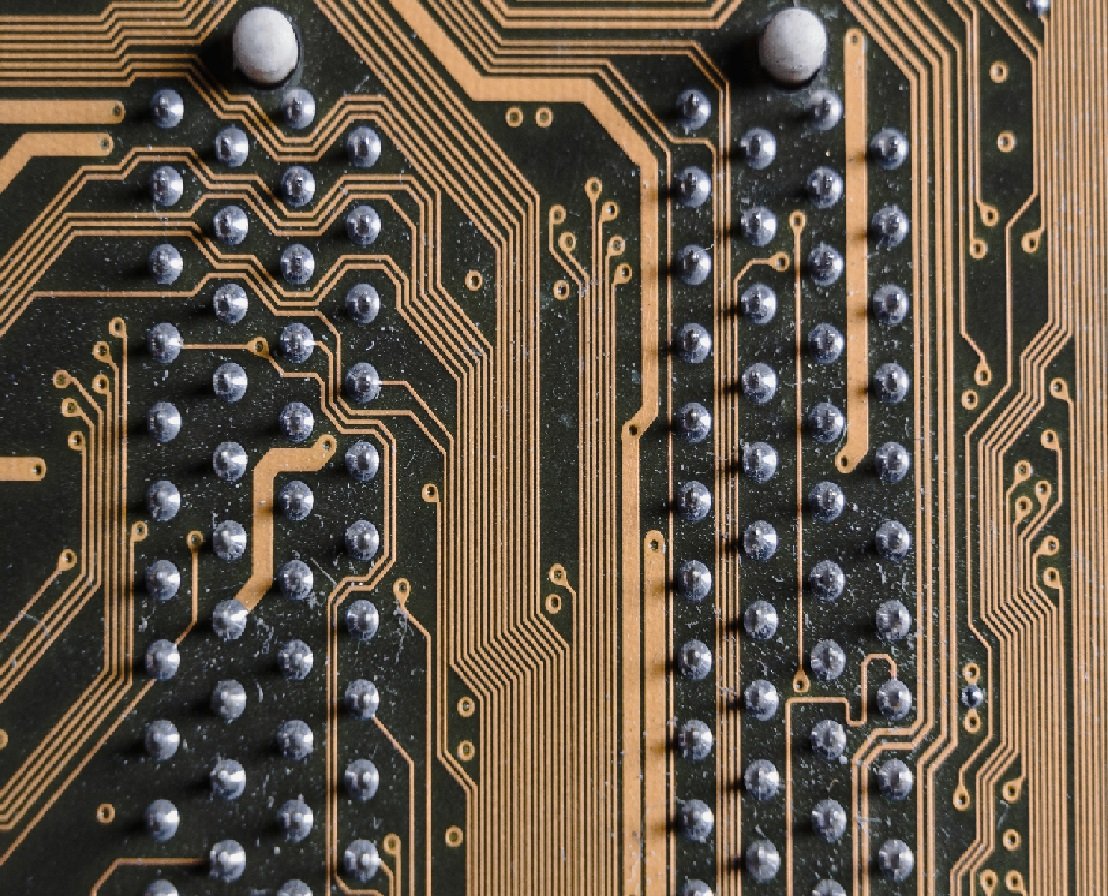
Introduction: Power electronics is a crucial technology that plays a significant role in the modern aviation industry. From the engine control systems to the aircraft's electrical power distribution, power electronics enables efficient and reliable operation of various aircraft systems. This blog post will explore the key applications of power electronics in aircrafts and highlight their importance in today's aviation industry. 1. Electrical Power Generation and Distribution: One of the primary applications of power electronics in aircrafts is in the electrical power generation and distribution systems. Modern aircrafts rely on highly efficient power converters to convert the AC electrical power generated by the engines into the DC power required by the aircraft systems. Power electronic converters such as rectifiers, inverters, and transformers are used to control and regulate the electrical power flow throughout the aircraft. These converters ensure that the electrical power is distributed correctly and efficiently to various onboard systems, including avionics, lighting, air conditioning, and entertainment systems. 2. Motor and Actuator Control: Power electronics also plays a crucial role in controlling the motors and actuators used in aircraft systems. Electric motors are widely used in aircraft systems for various applications, including flap and slat control, landing gear actuation, and fuel pump operation. Power electronic motor controllers are responsible for precise control of these motors, ensuring smooth and accurate functioning of these critical aircraft systems. These controllers regulate the voltage, frequency, and current supplied to the motors, enabling precise control of position, speed, and torque. 3. Electric Propulsion: The development of electric propulsion systems is another area where power electronics is making significant contributions to the aviation industry. Electric aircrafts powered by batteries or fuel cells are gaining attention as a potential solution for reduced emissions and improved efficiency. Power electronics converters in electric aircrafts manage the power flow between the electrical power source, such as batteries or fuel cells, and the electric propulsion system. These converters ensure efficient power transfer and manage the energy storage and distribution for optimum performance. 4. Hybrid-Electric Aircrafts: Power electronics technology is also crucial in the development of hybrid-electric aircrafts, which combine traditional combustion engines with electric propulsion systems. These aircrafts aim to improve fuel efficiency and reduce carbon emissions by utilizing electric power for take-off and landing, while relying on combustion engines for cruising. Power electronics systems in hybrid-electric aircrafts manage the power flow between the engines, generators, energy storage systems, and electric propulsion systems. These systems play a vital role in seamlessly transitioning between different power sources, optimizing the overall efficiency of the aircraft. Conclusion: Power electronics technology is at the heart of the modern aviation industry, enabling efficient and reliable operation of various aircraft systems. From electrical power generation and distribution to motor and actuator control, power electronics ensures the smooth functioning of critical aircraft systems. With the ongoing developments in electric propulsion and hybrid-electric aircrafts, power electronics will continue to play a significant role in shaping the future of aviation, making it more sustainable and environmentally friendly. Want a deeper understanding? http://www.jetiify.com More about this subject in http://www.s6s.org


