Advancements in Surface Mount Technology Electronics for Aircrafts
Category : |
Sub Category : Posted on 2023-10-30 21:24:53
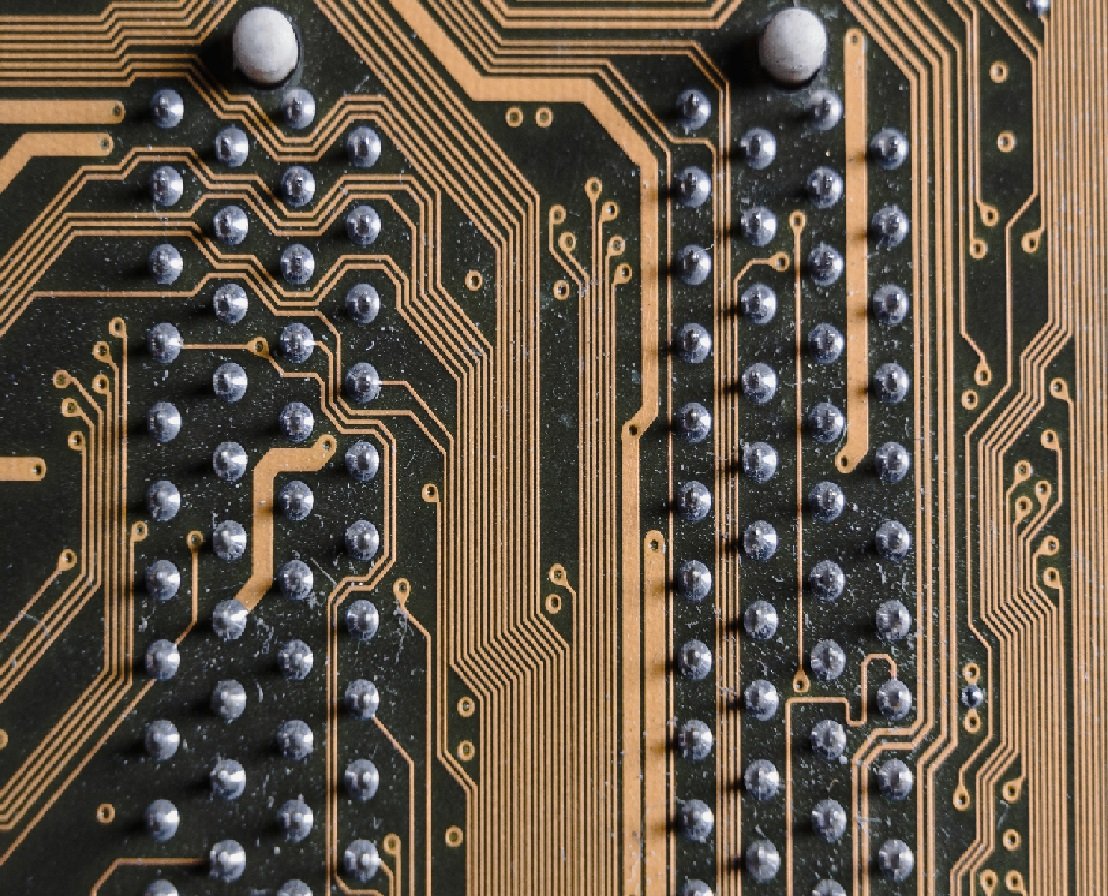
Introduction: As technology continues to evolve, so does the aviation industry. Aircrafts these days are more advanced than ever, with cutting-edge electronics playing a crucial role in their operation. Among these advancements is the use of surface mount technology (SMT) electronics. In this blog post, we will explore what SMT electronics are, their advantages, and how they are revolutionizing aircraft design and performance. What is Surface Mount Technology Electronics? Surface mount technology involves the assembly of electronic components directly onto the surface of printed circuit boards (PCBs) without the need for traditional through-hole mounting. Instead of soldering the leads of components to the PCB, SMT components are soldered to the board surface, resulting in a more compact, lightweight, and efficient design. Advantages of SMT Electronics in Aircrafts: 1. Miniaturization: SMT components are significantly smaller than their through-hole counterparts. This miniaturization allows for more complex circuitry to be packed into smaller spaces, saving valuable real estate inside the aircraft. It also contributes to weight reduction, which improves fuel efficiency. 2. Enhanced Performance: The compact and precise nature of SMT electronics results in improved performance and reliability. High-frequency signals can be transmitted more efficiently, minimizing signal loss and interference. This leads to enhanced communication capabilities, better navigation systems, and overall safer and more efficient aircraft operations. 3. Cost-Effective: SMT electronics are more cost-effective compared to through-hole technology, primarily due to automated assembly processes. These processes can accurately place and solder multiple components simultaneously, reducing labor costs and increasing production efficiency. 4. Increased Production Speed: By using SMT electronics, manufacturers can speed up the assembly process. Automated machines can accurately place and solder components, resulting in faster production times. This allows for quicker aircraft deliveries, reducing lead times and meeting market demands more efficiently. Applications of SMT Electronics in Aircrafts: 1. Avionics Systems: Avionics systems, including flight control systems, navigation systems, and communication systems, rely heavily on SMT electronics. The compact and reliable nature of SMT components ensures accurate data processing, efficient signal transmission, and optimal system performance. 2. Cabin Electronics: From in-flight entertainment systems to passenger control units, SMT electronics are widely used in the cabin. These components ensure seamless connectivity, advanced audiovisual experiences, and passenger comfort, all while conserving valuable space within the aircraft. 3. Sensors and Instrumentation: SMT electronics are also extensively used in sensors and instrumentation systems within the aircraft. These systems include airspeed indicators, altimeters, temperature sensors, and more. By accurately measuring and transmitting data, SMT electronics play a crucial role in maintaining the aircraft's safety and performance. Conclusion: Surface mount technology electronics have revolutionized the aviation industry, enabling aircrafts to become smarter, more efficient, and safer. The compact size, enhanced performance, cost-effectiveness, and increased production speed of SMT components make them a preferred choice in aircraft design. As technology continues to advance, we can expect further improvements in SMT electronics, paving the way for even more innovative solutions in the aviation field. Looking for more information? Check out http://www.jetiify.com for more http://www.s6s.org


