How Artificial Intelligence is Revolutionizing Soldering Techniques
Category : |
Sub Category : Posted on 2023-10-30 21:24:53
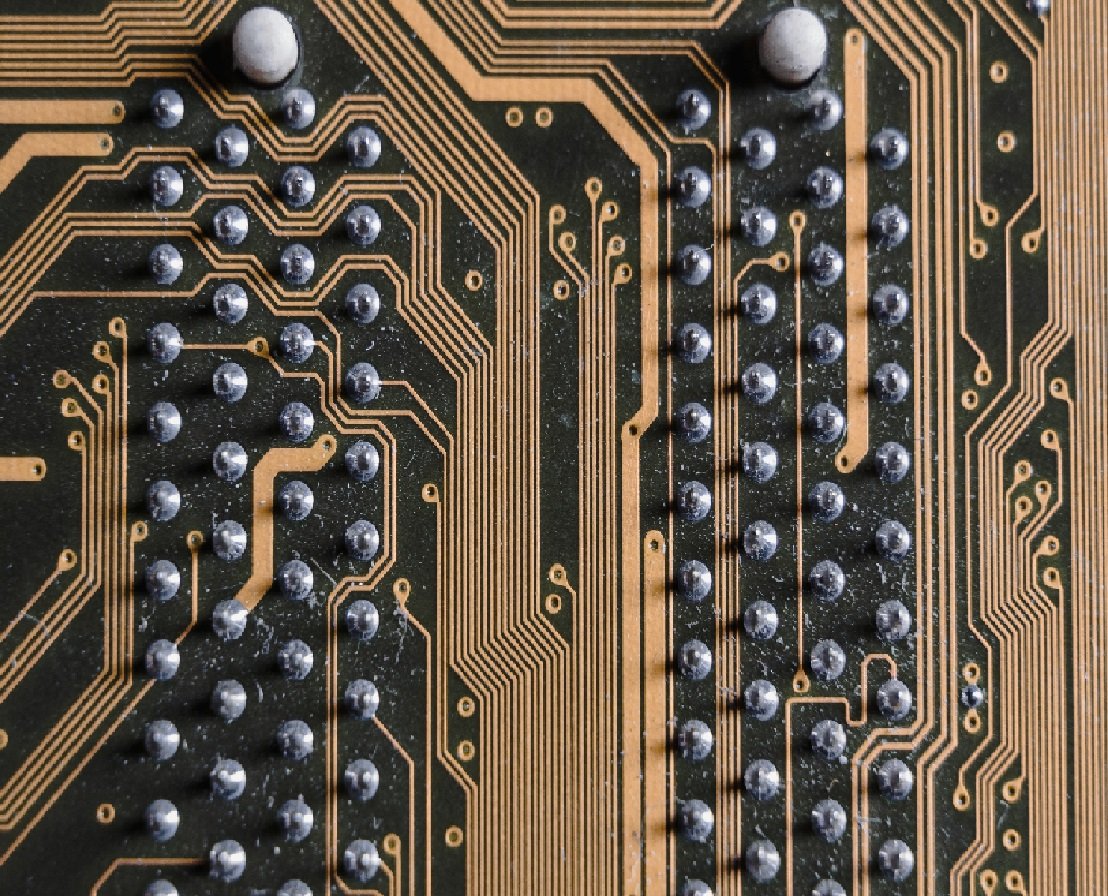
Introduction: Artificial intelligence (AI) has been transforming various industries, and soldering techniques are no exception. With advancements in AI technology, traditional manual soldering methods are becoming more efficient and precise, thanks to automated machines and smart algorithms. In this blog post, we will explore the exciting ways in which AI is revolutionizing soldering techniques, ultimately leading to improved productivity, consistency, and reliability. 1. Automated Soldering Robots: One of the most significant advancements in soldering techniques is the use of automated soldering robots powered by AI. These robots can perform intricate soldering tasks with exceptional precision and speed, eliminating the chances of human error. AI algorithms in these robots can analyze and adapt to different solder joint geometries, ensuring consistent results across various circuit boards. Additionally, they can work continuously without fatigue or breaks, significantly reducing production time and cost. 2. Quality Control and Fault Detection: AI plays a crucial role in ensuring the quality and reliability of soldering joints. Machine learning algorithms can be trained to analyze the soldering quality based on images captured by high-resolution cameras. These algorithms identify common defects such as solder bridges, incomplete joints, or voids, and provide real-time feedback for immediate corrective measures. This proactive approach helps reduce the risk of circuit board failure, ultimately improving the overall product quality. 3. Process Optimization: AI-driven systems can continuously learn from previous soldering processes to optimize future operations. By gathering and analyzing data from various soldering parameters such as temperature, solder paste volume, and PCB layout, AI algorithms can make real-time adjustments to achieve optimal soldering results. This not only saves time but also enhances the yield and reliability of the soldered joints. With AI-powered process optimization, manufacturers can achieve higher productivity and cost-efficiency. 4. Predictive Maintenance: Predictive maintenance is an essential aspect of ensuring the longevity and reliability of soldering equipment. By analyzing sensor data and historical information, AI algorithms can identify early signs of equipment failure or performance degradation. This allows maintenance teams to take proactive measures such as cleaning, calibration, or part replacement before a major breakdown occurs. The ability to anticipate and prevent equipment issues can significantly reduce downtime, enhancing overall productivity and customer satisfaction. 5. Enhanced Training and Skill Development: AI technology can also contribute to the training and skill development of soldering technicians. Virtual reality (VR) and augmented reality (AR) simulations powered by AI algorithms can provide a realistic training environment, allowing trainees to practice soldering techniques without the risk of damaging real circuit boards. These simulations can offer real-time feedback, helping technicians improve their skills and increase their efficiency. AI-based training platforms are reshaping the learning landscape for soldering techniques, enabling faster onboarding and consistent skill development. Conclusion: Artificial intelligence is revolutionizing soldering techniques by automating processes, optimizing quality control, and enhancing efficiency. With the advent of AI-driven soldering robots, manufacturers can achieve improved productivity, consistent soldering quality, and reliable results. By harnessing the power of AI for process optimization and predictive maintenance, companies can significantly reduce costs and ensure the longevity of their soldering equipment. Moreover, AI-based training platforms are empowering technicians to acquire and refine soldering skills more effectively than ever before. As AI technology continues to evolve, we can expect even more innovative solutions that will shape the future of soldering techniques in the electronics industry. this link is for more information http://www.thunderact.com For an extensive perspective, read http://www.vfeat.com


