Mastering Autonomous Robotics: A Guide to Electronics Failure Analysis
Category : |
Sub Category : Posted on 2023-10-30 21:24:53
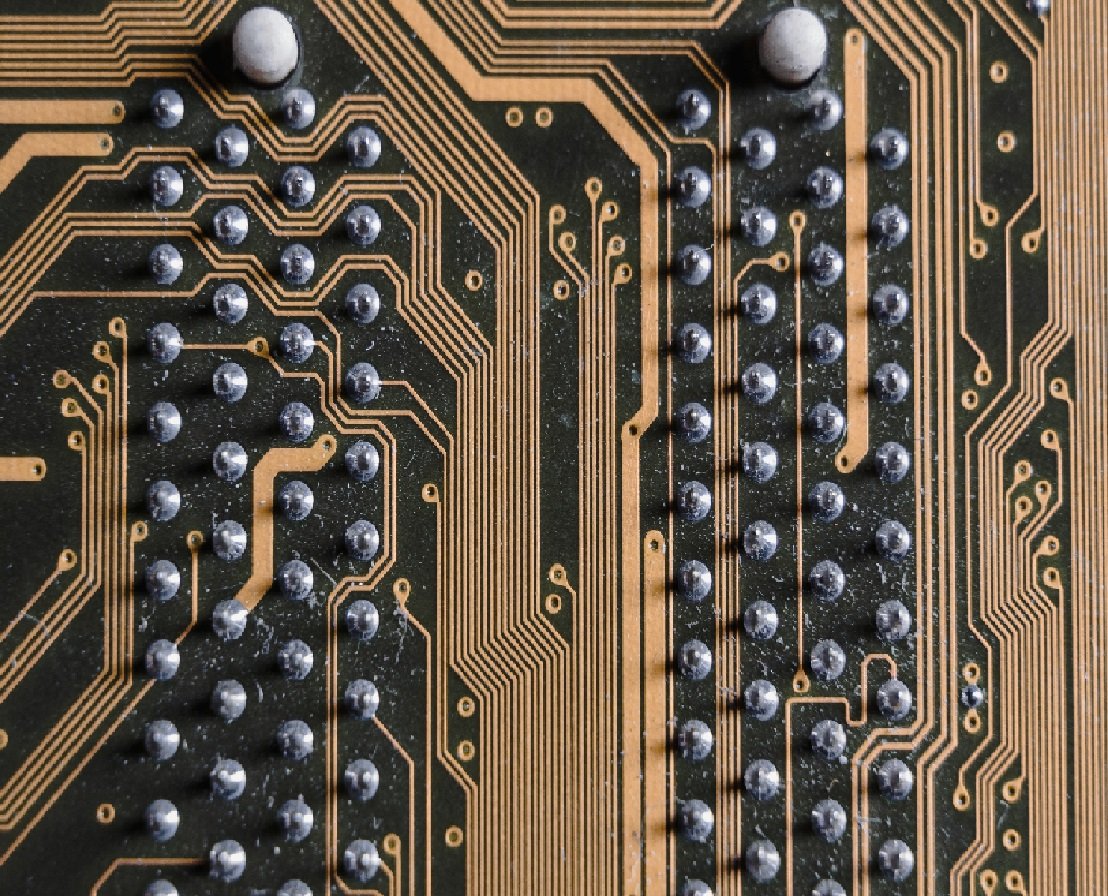
Introduction: In the fast-evolving world of robotics, autonomous systems have emerged as a game-changer, revolutionizing industries such as manufacturing, healthcare, and transportation. These cutting-edge machines are equipped with advanced electronics, allowing them to make decisions and perform tasks without human intervention. However, just like any other complex system, autonomous robotics can also encounter electronics failure. In this blog post, we will explore the importance of failure analysis in robotics electronics and provide insights into how to effectively diagnose and troubleshoot these issues. Understanding Electronics Failure in Autonomous Robotics: Electronics failure in autonomous robotics refers to the malfunctioning or breakdown of the electronic components of these systems, leading to a loss in performance, functionality, or even complete system failure. The failure can be caused by a myriad of factors, including environmental conditions, component aging, manufacturing defects, improper design, or even unexpected external events. The Importance of Failure Analysis: Failure analysis is a crucial practice in autonomous robotics as it allows engineers and researchers to identify the root causes of electronics failure. By analyzing failures, valuable insights can be gained, leading to improvements in design, reliability, and performance of autonomous robotic systems. Failure analysis helps to optimize maintenance strategies, reduce downtime, and enhance overall system efficiency. Key Steps in Electronics Failure Analysis for Autonomous Robotics: 1. Establishing Failure Patterns: It is essential to identify common failure patterns in autonomous robotics electronics. This can be done by analyzing historical failure data, conducting stress tests, or monitoring the system in real-time. By establishing patterns, it becomes easier to pinpoint common failure modes and potential underlying causes. 2. Non-Destructive Testing (NDT): Non-destructive testing techniques such as visual inspection, thermal imaging, X-ray imaging, and ultrasonic testing can help identify physical defects, damage, or anomalies in electronic components without causing further harm. NDT techniques are valuable in locating failures and assessing their severity. 3. Root Cause Analysis (RCA): Root cause analysis involves a systematic approach to determine the underlying reason for failure. It requires a thorough investigation of the failure event, often using tools such as fault tree analysis, fishbone diagrams, or failure mode and effects analysis (FMEA). RCA helps identify the primary cause of the failure, enabling engineers to address it directly and prevent similar failures in the future. 4. Testing and Simulation: After identifying the root cause, engineers can conduct various tests and simulations to validate their findings or recreate the failure scenario. This step helps in understanding the failure mechanism in detail and assists in the development of effective solutions. 5. Corrective Actions and Preventive Measures: Once the failure cause has been determined, engineers can develop corrective actions to address the immediate issue. These actions can range from component replacement to redesigning the system. Additionally, preventive measures such as improved quality control during manufacturing, implementing redundancy in critical systems, or regular system maintenance can be taken to mitigate the risk of future failures. Conclusion: Autonomous robotics technology holds immense potential in transforming various industries, but it is not immune to electronics failure. To ensure the reliability and performance of these systems, failure analysis becomes an indispensable practice. By following a systematic approach that includes establishing failure patterns, using non-destructive testing techniques, conducting root cause analysis, and implementing corrective actions, engineers can overcome electronics failure challenges and pave the way for more reliable and efficient autonomous robotic systems. Remember, successful failure analysis is a continuous learning process that enables us to improve the capabilities of autonomous robotics, driving innovation and ensuring safer and more reliable autonomous systems for our future. Get a comprehensive view with http://www.pxrobotics.com


