Enhancing Autonomous Robotics with Through-Hole Technology Electronics
Category : |
Sub Category : Posted on 2023-10-30 21:24:53
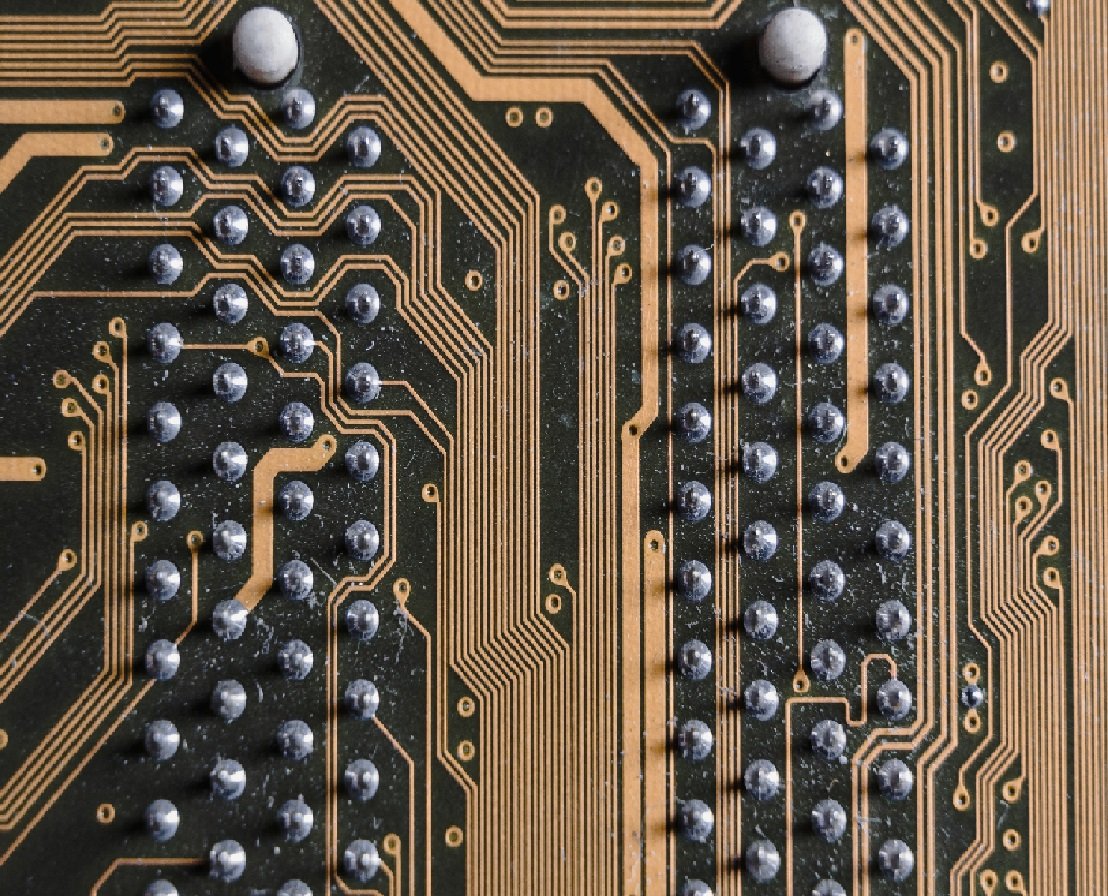
Introduction: As technology continues to advance at an unprecedented rate, we find ourselves in an era where autonomous robots are becoming increasingly common. These intelligent machines are capable of carrying out complex tasks with minimal human intervention. One crucial aspect that enables the functionality of these autonomous robots is through-hole technology electronics. In this blog post, we will explore the significance of through-hole technology electronics in enhancing autonomous robotics and its implications for the future. What is Through-Hole Technology Electronics? Through-hole technology (THT) electronics refer to a traditional method of mounting and connecting electronic components on a printed circuit board (PCB). This technique involves inserting wire leads or pins of the components into holes drilled in the PCB, followed by soldering them on the other side to create a reliable electrical connection. Enhancing Autonomous Robotics: 1. Robustness and Sturdiness: Through-hole technology offers excellent mechanical strength, making it ideal for applications that require durability and long-term reliability. Autonomous robots often operate in challenging environments, exposed to vibrations, shocks, and extreme temperatures. THT components are less prone to detachment, ensuring that the robot remains operational under harsh conditions. 2. Rework and Repairability: Autonomous robots are prone to occasional malfunctions or the need for upgrades. Through-hole components are relatively easy to replace or rework, as they can be removed individually, making maintenance of the robot more efficient. This feature minimizes downtime and allows for future advancements and upgrades to be easily incorporated. 3. Compatibility with High Current and Voltage: Many autonomous robots require components that can handle high current and voltage. Through-hole components, such as power transistors and electrolytic capacitors, offer excellent thermal conductivity and higher power ratings compared to surface mount technology (SMT). This compatibility empowers autonomous robots to handle demanding tasks and power requirements. 4. Retrofitting and Upgradability: With the rapidly evolving technology landscape, autonomous robots often need to adapt to new functionalities or utilize new sensors and peripherals. Through-hole components enable easier retrofitting of new components onto existing PCBs, allowing robots to be upgraded easily to meet new requirements. This flexibility ensures that autonomous robots can keep up with the ever-changing demands of their applications. Implications for the Future: The future of autonomous robotics heavily relies on the continuous innovation and improvement of through-hole technology electronics. As the capabilities and applications of autonomous robots expand, so too will the need for more powerful and adaptable PCBs. Through-hole technology offers a proven and reliable approach to meet these requirements, ensuring the longevity and reliability of these machines. The advancements in through-hole technology, such as reduced component sizes and enhanced conductivity, will further enhance the capabilities of autonomous robotics. As robots become smaller, more agile, and efficient, they will play an increasingly vital role in various sectors, including manufacturing, healthcare, agriculture, and exploration. Conclusion: Through-hole technology electronics serve as a critical foundation for the development and enhancement of autonomous robotics. The robustness, repairability, high power compatibility, and retrofitting capabilities enable these machines to operate efficiently and adapt to evolving technological landscapes. As through-hole technology continues to evolve, it will play a pivotal role in shaping the future of autonomous robotics, making them more sophisticated, versatile, and indispensable in our lives. Seeking answers? You might find them in http://www.pxrobotics.com


