Understanding Cameras and Electromagnetic Compatibility (EMC)
Category : |
Sub Category : Posted on 2023-10-30 21:24:53
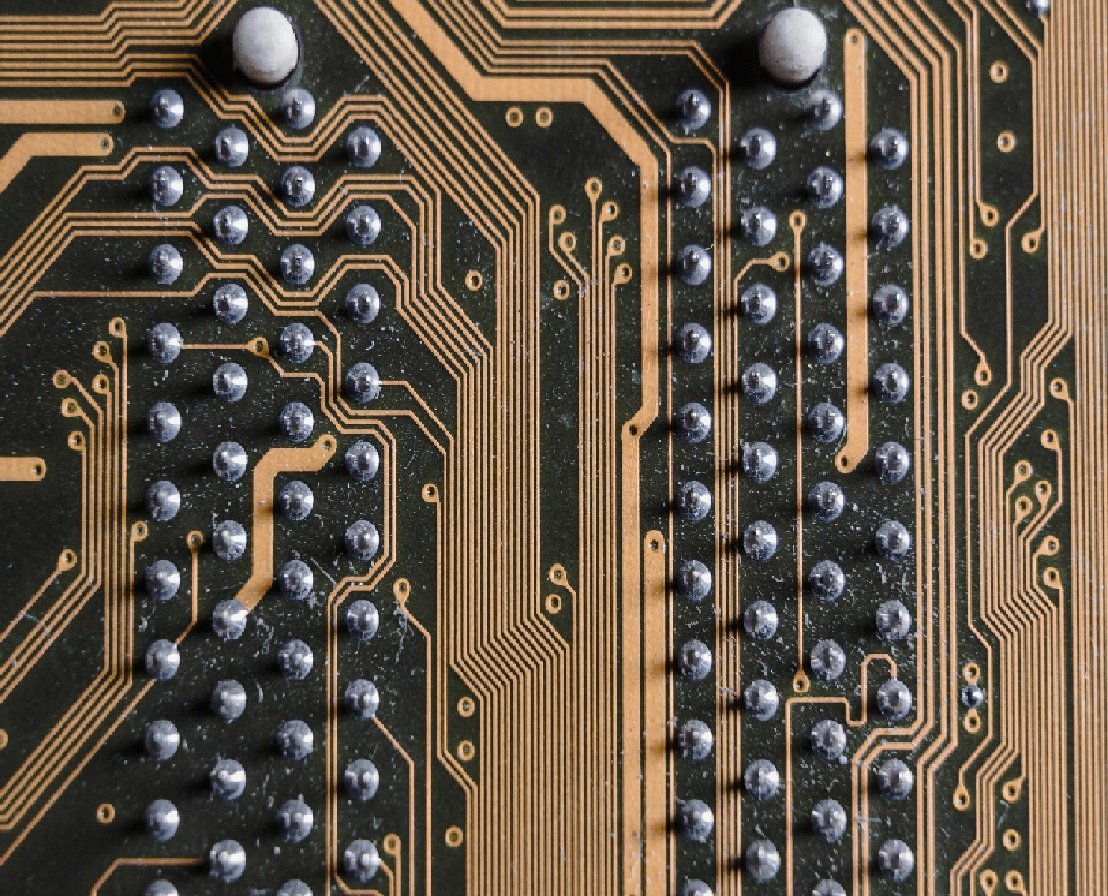
Introduction: In today's technologically advanced world, cameras play a crucial role not only in capturing our precious moments but also in various professional applications. However, it is essential to consider the aspect of electromagnetic compatibility (EMC) when it comes to cameras. This blog post aims to shed light on the significance of EMC for cameras, its effects, and how manufacturers ensure compliance. What is Electromagnetic Compatibility (EMC)? EMC refers to the ability of electronic devices to operate efficiently and effectively in the presence of electromagnetic interference (EMI). This interference can originate from various sources such as power lines, radio frequency signals, or other electronic devices. For cameras, EMC is crucial to prevent undesirable effects on image quality, functionality, and performance. Understanding EMC for Cameras: 1. EMI Sources: Cameras are susceptible to EMI generated by other electronic devices, such as mobile phones, Wi-Fi routers, or even nearby power lines. These electromagnetic disturbances can degrade the camera's signal quality, introduce noise, or cause improper functioning. 2. EMI Effects on Image Quality: Electromagnetic interference can significantly impact the quality of images captured by cameras. Common effects include color distortion, pixelation, flickering, or ghosting. These issues directly impact the camera's usefulness and can be a nuisance both for professional photographers and casual users. 3. EMI Effects on Functionality: Apart from image quality, electromagnetic interference can also affect the overall functionality of cameras. It may cause intermittent freezing or crashing of the camera's software, hinder autofocus capabilities, or disrupt other vital features. Ensuring Electromagnetic Compatibility: To achieve EMC for cameras, manufacturers follow specific guidelines and standards, ensuring their products can withstand and minimize EMI. Some common practices include: 1. Shielding: Cameras may incorporate shielding materials or grounding techniques to protect internal components from external interferences. This helps in reducing EMI and prevents electromagnetic radiation from leaking into the camera's circuitry. 2. Filtering: The integration of filtering components such as capacitors and inductors helps in suppressing and isolating unwanted electromagnetic noise. These filters act as barriers, blocking EMI from reaching critical components sensitive to interference. 3. Compliance: Manufacturers often subject their cameras to rigorous EMC testing to ensure compliance with industry standards and regulations. This includes evaluating the camera's performance in various EMI scenarios and certifying it as electromagnetic compatible. Conclusion: Electromagnetic compatibility is a vital aspect to consider when it comes to cameras. Understanding and addressing electromagnetic interference ensures optimal image quality, reliable functionality, and a seamless user experience. By adhering to stringent EMC standards and employing appropriate shielding and filtering techniques, manufacturers strive to deliver cameras that can withstand the challenges posed by today's increasingly complex electromagnetic environment. To learn more, take a look at: http://www.fmount.net To learn more, take a look at: http://www.keralachessyoutubers.com


