The Role of Printed Circuit Boards in Modern Cameras
Category : |
Sub Category : Posted on 2023-10-30 21:24:53
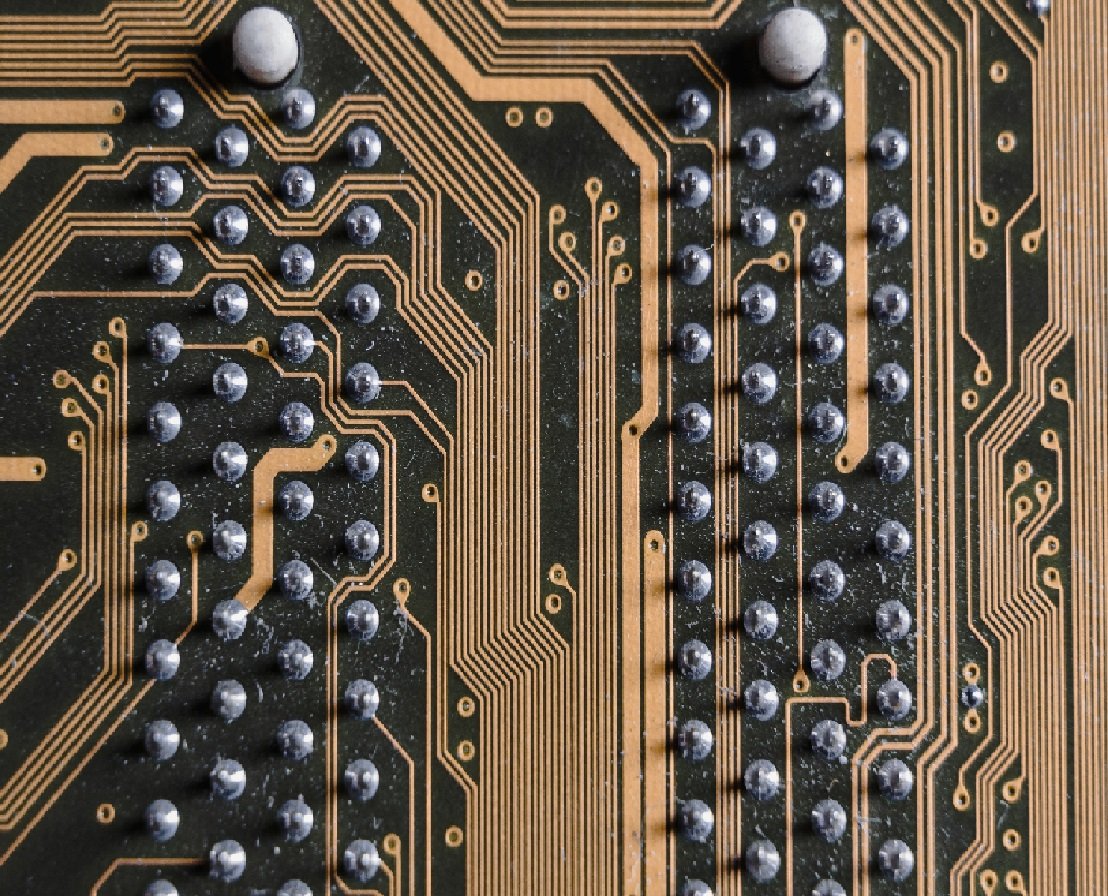
Introduction: In today's digital age, cameras have become an essential tool for capturing memories and creating stunning visual content. Behind the sleek exteriors of modern cameras lies a complex web of advanced technology that allows us to capture crisp images and record high-quality videos. One fundamental component that plays a crucial role in the functioning of cameras is the printed circuit board (PCB). In this article, we will delve into the world of cameras and explore the significance of PCBs in their design and operation. What are Printed Circuit Boards (PCBs)?: Printed circuit boards, also known as PCBs, are flat, rigid boards made of non-conductive material, typically fiberglass reinforced with epoxy resin. These boards contain thin copper tracks that connect electronic components, forming intricate electrical circuits. PCBs provide mechanical support and serve as a platform for integrating various electronic components that work together to make a camera function effectively. The Role of PCBs in Cameras: 1. Power Management: PCBs play a vital role in managing the power distribution within a camera. They regulate the flow of electricity from the camera's power source to different components such as the image sensor, lens control, and display screen. Effective power management ensures that each component receives the necessary power supply, preventing damage due to overvoltage or undervoltage. 2. Signal Processing: PCBs enable signal processing within cameras, converting raw data from various sensors into usable information. For example, the image sensor captures light and converts it into electrical signals, which are then processed by specialized chips on the PCB to produce high-quality images or videos. 3. Interface Connectivity: PCBs provide the necessary connections and interface options for external devices to interact with the camera. These interfaces may include USB, HDMI, or memory card slots. The PCB facilitates the transfer of data and communication between the camera and other devices, allowing seamless data exchange and enhancing the camera's versatility. 4. Component Integration: PCBs enable the integration of various components that make up a camera. These could include image sensors, processor units, memory modules, autofocus mechanisms, and display screens. By arranging and connecting these components effectively, PCBs contribute to the compact and streamlined design of modern cameras. Advancements in Camera PCB Technology: With the constant evolution of camera technology, PCBs have also witnessed significant advancements to keep up with the demands of high-resolution sensors, advanced autofocus systems, and faster image processing capabilities. Miniaturization of components and the adoption of advanced manufacturing techniques have enabled PCBs to become more efficient, reliable, and adaptable to the ever-changing needs of professional photographers and enthusiasts alike. Conclusion: Printed circuit boards serve as the backbone of modern cameras, facilitating the integration, connectivity, and functionality of various electronic components. Their role in power management, signal processing, interface connectivity, and component integration is instrumental in delivering exceptional image quality and user experience. As camera technology continues to progress, it is safe to say that PCBs will remain an essential part of the design and operation of cameras, pushing the boundaries of what is possible in the realm of photography and videography. Uncover valuable insights in http://www.fmount.net For a different perspective, see: http://www.keralachessyoutubers.com


