Demystifying Camera Signal Integrity: Ensuring High-Quality Image Capture
Category : |
Sub Category : Posted on 2023-10-30 21:24:53
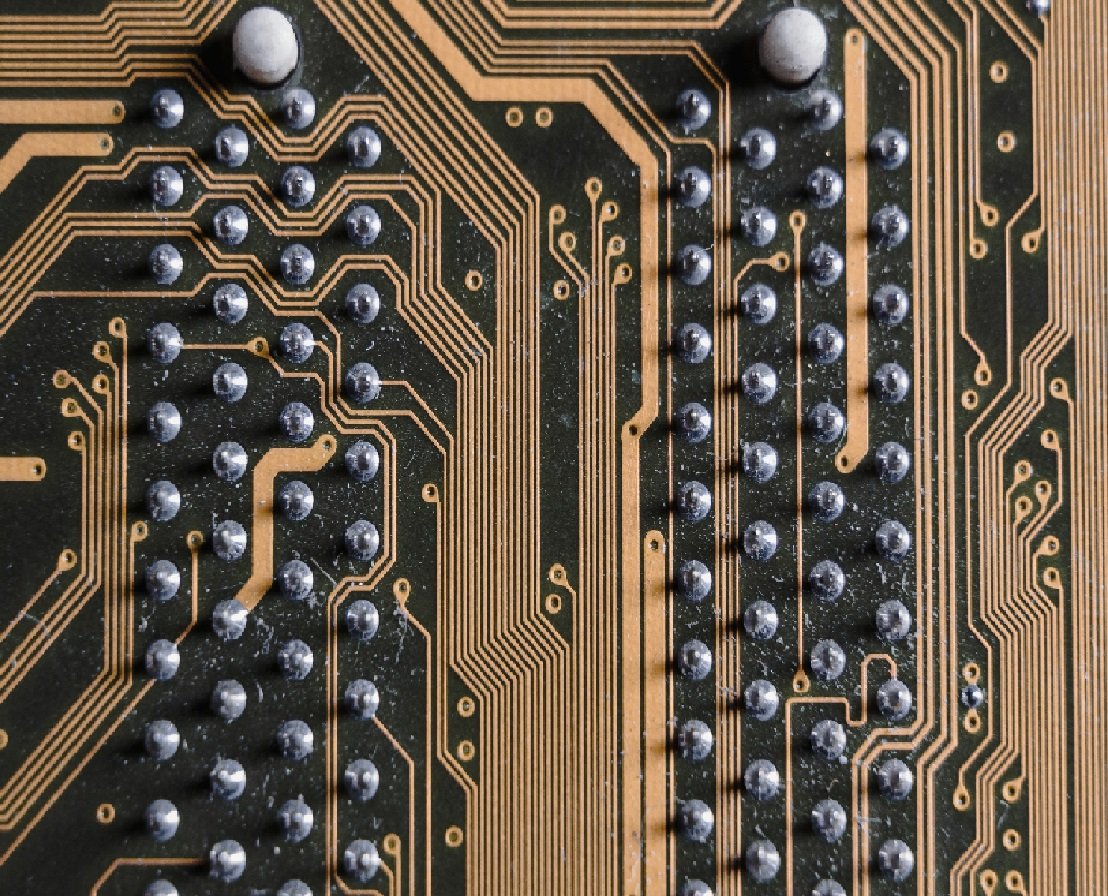
Introduction: In the ever-evolving world of technology, cameras have become an integral part of our lives. From capturing precious moments to enhancing security, cameras play a crucial role. However, behind the scenes, a critical aspect that ensures the quality of images is camera signal integrity. In this blog post, we will delve into the concept of signal integrity and delve into how it impacts the performance of cameras. Understanding Signal Integrity: Signal integrity refers to the quality and reliability of the electrical signals that transfer information within a camera system. It is crucial to maintain the integrity of these signals to ensure accurate image capture with minimal noise. Factors Affecting Camera Signal Integrity: 1. Transmission Medium: The transmission medium refers to the pathway through which the camera signals travel. It could be a physical cable, a circuit board, or even wireless communication. Choosing the appropriate medium plays a vital role in maintaining signal integrity. 2. Signal Interference: Various external factors, such as electromagnetic interference (EMI) or radio-frequency interference (RFI), can compromise signal integrity. Shielding the camera components and cables can help minimize these interferences. 3. Cable Length: Longer cable lengths can introduce signal degradation, leading to a loss of image quality. Using high-quality cables and optimizing the transmission parameters become crucial to maintain signal integrity over distance. 4. Power Delivery: Ensuring stable power delivery to the camera system is essential for maintaining signal integrity. Power fluctuations or inadequate power supply can interfere with the camera's performance and degrade the quality of the captured images. Addressing Signal Integrity Issues: To ensure optimal signal integrity, designers and engineers employ various techniques and technologies. Here are some common strategies: 1. High-Speed Signaling: Utilizing high-speed signaling techniques, such as differential signaling or serialized data transmission, can help improve signal integrity and reduce noise. 2. Signal Conditioning: Implementing signal conditioning components like amplifiers, equalizers, and filters can enhance the quality of camera signals, compensating for any distortions or losses. 3. Grounding and Shielding: Proper grounding practices and the use of shielded cables, connectors, and enclosures help mitigate signal interference, maintaining a clean and stable signal environment. 4. Signal Integrity Analysis: Conducting thorough signal integrity analysis during the camera system design phase can help identify potential issues early on and allow for appropriate mitigation strategies. Conclusion: Camera signal integrity is a critical aspect that contributes to the overall image quality and performance of cameras. By understanding the factors that affect signal integrity and employing suitable techniques, engineers can ensure that cameras capture high-quality images reliably and consistently. As technology advances and cameras become more sophisticated, maintaining signal integrity will continue to play a vital role in delivering exceptional visual experiences. Dropy by for a visit at http://www.fmount.net You can also Have a visit at http://www.keralachessyoutubers.com


