Mastering Soldering Techniques for Car Repair and Enhancement
Category : |
Sub Category : Posted on 2023-10-30 21:24:53
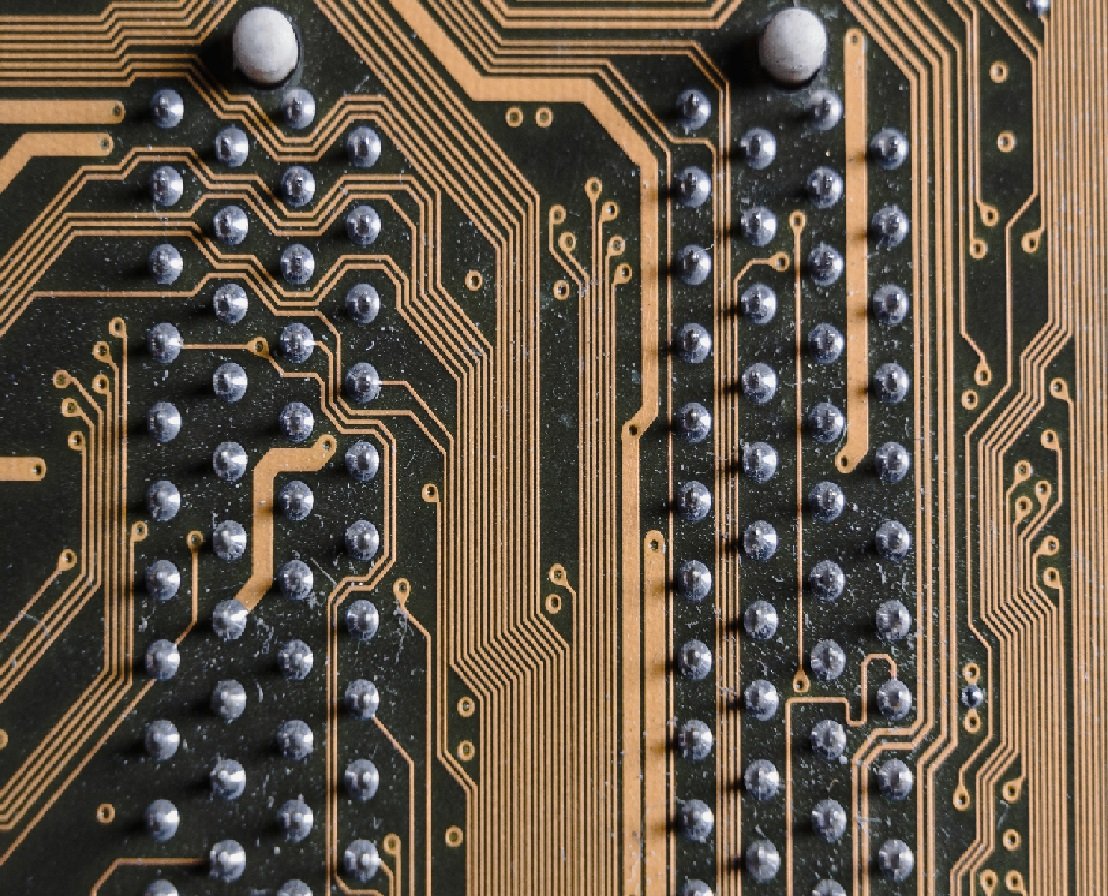
Introduction: Soldering is a fundamental skill for any car enthusiast or mechanic. Whether you need to repair electrical components or enhance your vehicle's performance, understanding soldering techniques is crucial. In this blog post, we will delve into the world of soldering techniques specifically tailored for automotive applications. Whether you're a beginner or an experienced hobbyist, by the end of this article, you'll have a solid foundation in soldering for cars. 1. Understanding Soldering Basics: Before we dive into the specific techniques, let's start with the basics. Soldering involves joining two or more metal components using molten solder. It requires the use of a soldering iron, flux, and solder wire. Proper technique ensures strong, durable, and long-lasting connections. 2. Selecting the Right Equipment: Choosing the appropriate soldering iron and accessories is essential. For automotive soldering, a temperature-controlled soldering iron with a selection of tips is ideal. The temperature control feature allows you to adjust the heat according to the material you're working with, preventing damage to delicate components. 3. Preparation and Safety Measures: Soldering in a car requires specific safety precautions. Always disconnect the battery before working on any electrical components. Additionally, ensure proper ventilation as soldering fumes can be harmful. Wearing safety glasses and using a heat-resistant mat to protect surfaces are also recommended. 4. Common Soldering Techniques for Cars: a) Through-Hole Soldering: This technique involves soldering components through pre-drilled holes on the circuit board or other automotive parts. It is commonly used for repairs or installing new components, such as resistors, capacitors, or connectors. b) Surface Mount Technology (SMT) Soldering: SMT components are smaller, flat components attached directly to the surface of the circuit board or other substrates. SMT soldering techniques, like drag soldering or reflow soldering, require precision and attention to detail. c) Wire-to-Wire Soldering: This technique is employed for joining wires together, creating strong electrical connections. Whether you're replacing a frayed wire or splicing wires for modifications, wire-to-wire soldering ensures reliable performance. d) Soldering for Automotive Electronics: Electrical components such as sensors, switches, or control modules often require soldering. Proper technique and knowledge of the component's sensitivity are crucial to prevent damage and ensure optimal performance. 5. Tips for Successful Soldering: - Use the right soldering iron temperature for the specific material and component. - Clean and prepare the surfaces to be soldered by removing any dirt, rust, or oxidization. - Always use flux to aid in the soldering process, improving the flow and adhesion of the solder. - Maintain a steady hand and avoid applying excessive heat, as it can damage sensitive components. - Practice soldering on scrap materials before working on vital car components. Conclusion: Soldering techniques play a vital role in car repair and enhancement. By mastering these techniques, you can confidently tackle electrical repairs, modifications, and upgrades. Remember, practice makes perfect, so don't hesitate to hone your skills through hands-on experience. With the proper tools, safety measures, and knowledge of various soldering techniques, you'll be well-equipped to handle any car soldering task. Check the link below: http://www.mywowcar.com To get all the details, go through http://www.cardirs.com If you're interested in this topic, I suggest reading http://www.qqhbo.com


