Understanding Electromagnetic Compatibility in China: Key Insights and Regulations
Category : |
Sub Category : Posted on 2023-10-30 21:24:53
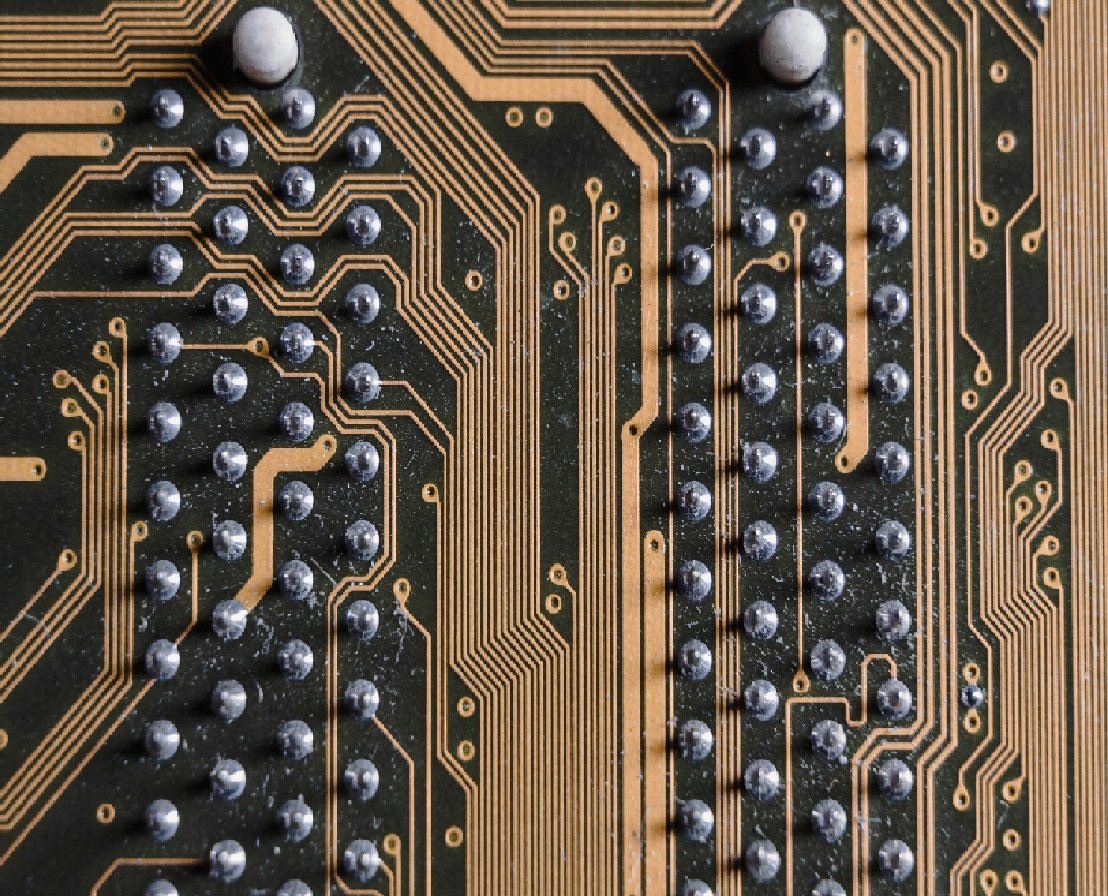
Introduction: In today's digital age, the widespread use of electronic devices and wireless technologies has brought about numerous benefits. However, it has also led to an increased concern about electromagnetic compatibility (EMC). EMC refers to the ability of electronic devices and systems to operate without interfering with or being affected by electromagnetic disturbances. In this blog post, we will explore the significance of EMC in China and the regulations that govern it. Why is Electromagnetic Compatibility Important in China? China's rapid technological advancements and booming electronics industry have made EMC a top priority. As a country with a significant manufacturing base, China produces and exports a vast array of electronic devices and equipment, ranging from smartphones and computers to medical devices and industrial machinery. Ensuring the EMC of these products is crucial to prevent electromagnetic interference (EMI) that could impact their performance, reliability, and safety. Key Regulations: 1. Chinese EMC Standard: The China Compulsory Certification (CCC) is a mandatory certification system that covers a wide range of products, including electronic devices. The CCC EMC standard sets the requirements for electromagnetic compatibility testing and certification in China. Manufacturers must comply with this standard before their products can be legally sold in the Chinese market. 2. GB Standards: China's national standards, known as GB standards, play a crucial role in regulating the EMC of electronic devices. GB standards related to EMC cover various aspects, including emission limits, immunity requirements, test methods, and safety considerations. Compliance with these standards is essential for products to gain market access and ensure their safety and performance. 3. Electromagnetic Compatibility Testing: To ensure compliance with EMC regulations, manufacturers need to conduct thorough testing of their products. This testing includes evaluating radiation emissions, susceptibility to electromagnetic disturbances, electrostatic discharge, electrical transients, and other parameters that can impact EMC. Chinese regulations often require independent testing and certification by accredited laboratories to verify compliance. 4. Labeling and Documentation: Once products have met the EMC requirements, manufacturers must label their products with the appropriate certification marks and provide relevant documentation such as test reports, technical specifications, and user manuals. These documents help users understand the EMC aspects of the product and demonstrate compliance during customs clearance and market surveillance. Conclusion: In China, ensuring electromagnetic compatibility is a vital aspect of product quality and safety. Compliance with EMC regulations not only helps manufacturers gain market access but also assures customers of reliable, safe, and interoperable electronic devices. The CCC EMC standard, GB standards, mandatory testing, and proper labeling/documentation together form a comprehensive regulatory framework aimed at establishing trust in the Chinese electronics industry. As technology continues to evolve, the importance of electromagnetic compatibility will only grow. Manufacturers and businesses operating in China must stay up-to-date with the latest EMC regulations and strive to develop products that meet these requirements. By doing so, they can not only enhance their competitiveness but also contribute to a harmonious and interference-free electronic environment in China and beyond. Dropy by for a visit at http://www.soitsyou.com


