Exploring Clocks and Electronics Circuit Simulation
Category : |
Sub Category : Posted on 2023-10-30 21:24:53
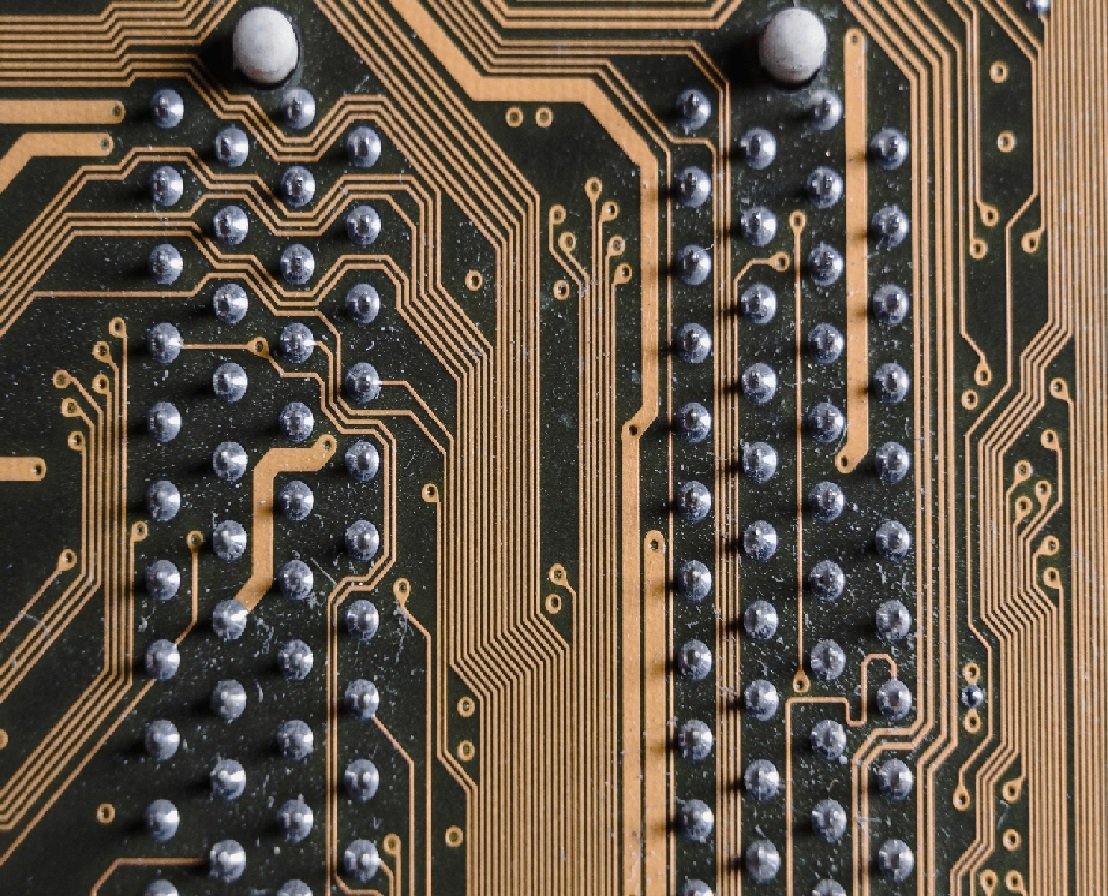
Introduction: Clocks play a crucial role in our daily lives. From waking us up in the morning to keeping us on schedule throughout the day, clocks help us stay organized and efficient. In the world of electronics, clocks serve a similar purpose. They are vital components in many electronic devices, regulating signals and synchronizing operations. In this blog post, we will delve into the fascinating world of clocks and explore how electronics circuit simulation can help optimize their performance. 1. Understanding Clocks in Electronics: In electronics, a clock is a signal that oscillates between two states, typically referred to as "high" and "low." Clock signals are used to synchronize the operations of various components and ensure smooth and reliable functioning of electronic devices. The speed at which a clock signal oscillates is measured in Hertz (Hz). 2. Types of Electronic Clocks: There are different types of clocks used in electronic circuits, depending on the specific application requirements. Some common types include: - Crystal Oscillators: Crystal oscillators are highly accurate and stable clock sources, making them suitable for applications where precise timing is crucial, such as in microcontrollers and communication systems. - RC Oscillators: RC oscillators, utilizing resistors and capacitors, provide a cost-effective solution for applications that don't require high precision. - Voltage-Controlled Oscillators (VCO): VCOs allow the frequency of the clock to be adjusted using a control voltage. They are commonly used in applications such as frequency synthesizers and tunable oscillators. 3. Importance of Electronics Circuit Simulation: To ensure the proper functioning of a clock circuit, it is essential to simulate its behavior before implementing it in a real-world system. Electronics circuit simulation software, such as SPICE (Simulation Program with Integrated Circuit Emphasis), allows engineers to analyze and test various aspects of clock circuits. Simulation enables them to validate the design, identify potential issues, and make necessary optimizations before fabrication. 4. Optimizing Clock Circuits through Simulation: Through electronics circuit simulation, engineers can evaluate various parameters and characteristics of clock circuits, including: - Frequency stability: By simulating the clock circuit, engineers can analyze the frequency stability under different conditions, ensuring that it meets the desired specifications. - Power consumption: Simulations provide insights into the power consumption of the clock circuit, helping optimize energy efficiency. - Signal integrity: Clock signals need to be free from noise and interference to ensure reliable operations. Simulation allows engineers to assess signal integrity and identify potential sources of noise. - Timing alignment: In multi-component systems, timing alignment is crucial for proper synchronization. Circuit simulation enables engineers to verify timing alignment and make necessary adjustments. 5. Future Trends and Innovations in Clocks and Circuit Simulation: Advancements in clock technology and circuit simulation continue to push the boundaries of electronic design. With the rise of internet-connected devices and the Internet of Things (IoT), precise timing and synchronization are becoming increasingly important. Innovations like MEMS-based oscillators and phase-locked loop (PLL) architectures are enhancing clock performance and expanding design possibilities. Conclusion: Clocks are fundamental components in electronic circuits, providing synchronization and timing control. Electronics circuit simulation enables engineers to analyze and optimize clock circuits, ensuring their reliable performance in real-world applications. As technology continues to evolve, clock design and simulation will play a significant role in shaping the future of electronic devices and systems. Want to expand your knowledge? Start with http://www.clockdiscount.com


