The Significance of Clocks in Signal Integrity
Category : |
Sub Category : Posted on 2023-10-30 21:24:53
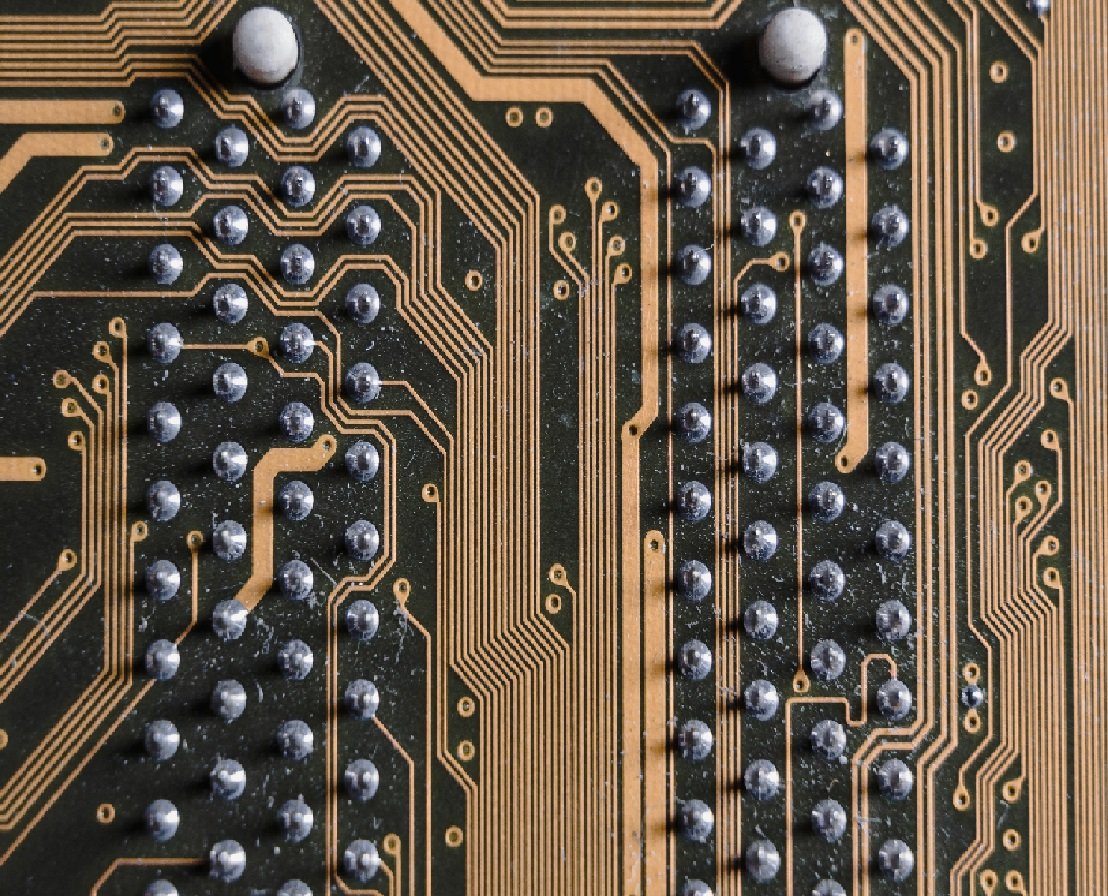
Introduction: In today's fast-paced digital world, signal integrity is crucial for the performance and reliability of electronic devices. Clocks play a vital role in ensuring proper signal integrity. This blog post will delve into the significance of clocks in signal integrity and explain how they contribute to the overall functionality of electronic systems. Understanding Signal Integrity: Signal integrity refers to the ability of a signal to maintain its integrity as it travels through various components, connectors, and PCB (Printed Circuit Board) traces. It encompasses factors such as signal quality, noise immunity, and timing accuracy. If signal integrity is compromised, it can lead to data errors, reduced performance, and even system failure. The Role of Clocks: Clocks act as synchronization devices in electronic systems. They provide timing references and regulate the flow of data, ensuring that signals are transmitted and received consistently and accurately. Clocks help maintain proper synchronization between components, which is critical for proper signal integrity. Clock Signals and Skew: Skew refers to the difference in arrival times of clock signals at different points in a system. Clock skew can cause data timing errors and jitter, impacting signal integrity. High skew can lead to data corruption and reduced system reliability. Clocks with low skew are essential for maintaining signal integrity, especially in high-speed data transmission applications. Clock Distribution: In complex electronic systems, clock distribution is a challenging task. The clock signal needs to be distributed to all components and subsystems, even in large PCBs or multi-chip designs. Proper clock distribution reduces clock skew and ensures that every component operates on the same timing reference, improving signal integrity. Clock Selection and Design Considerations: When designing electronic systems, selecting the right clock is essential for achieving optimal signal integrity. Factors such as clock frequency, output levels, jitter performance, and reliability must be considered. In high-speed designs, differential clock signals are often used to minimize noise and achieve better signal integrity. Clock Best Practices for Signal Integrity: To enhance signal integrity, it's essential to follow certain best practices related to clocks: 1. Minimize clock signal trace lengths to reduce propagation delays and potential signal degradation. 2. Maintain proper power and ground integrity to minimize noise on clock signals. 3. Use techniques like impedance matching and controlled impedance PCB design to minimize signal reflections and reduce signal degradation. 4. Ensure proper decoupling capacitors are in place to minimize power supply noise coupling onto clock signals. 5. Perform thorough signal integrity simulations and analysis to identify potential issues and optimize the clock distribution design. Conclusion: Clocks play a critical role in ensuring signal integrity, which is vital for the performance and reliability of modern electronic systems. By providing accurate timing references and synchronizing the flow of data, clocks contribute significantly to maintaining signal integrity. Understanding the importance of clock signals and following best practices during the design and implementation of clock distribution can help engineers achieve optimal signal integrity in their electronic designs. Take a deep dive into this topic by checking: http://www.clockdiscount.com


