Unveiling the Latest Color Trends in Printed Circuit Boards
Category : |
Sub Category : Posted on 2023-10-30 21:24:53
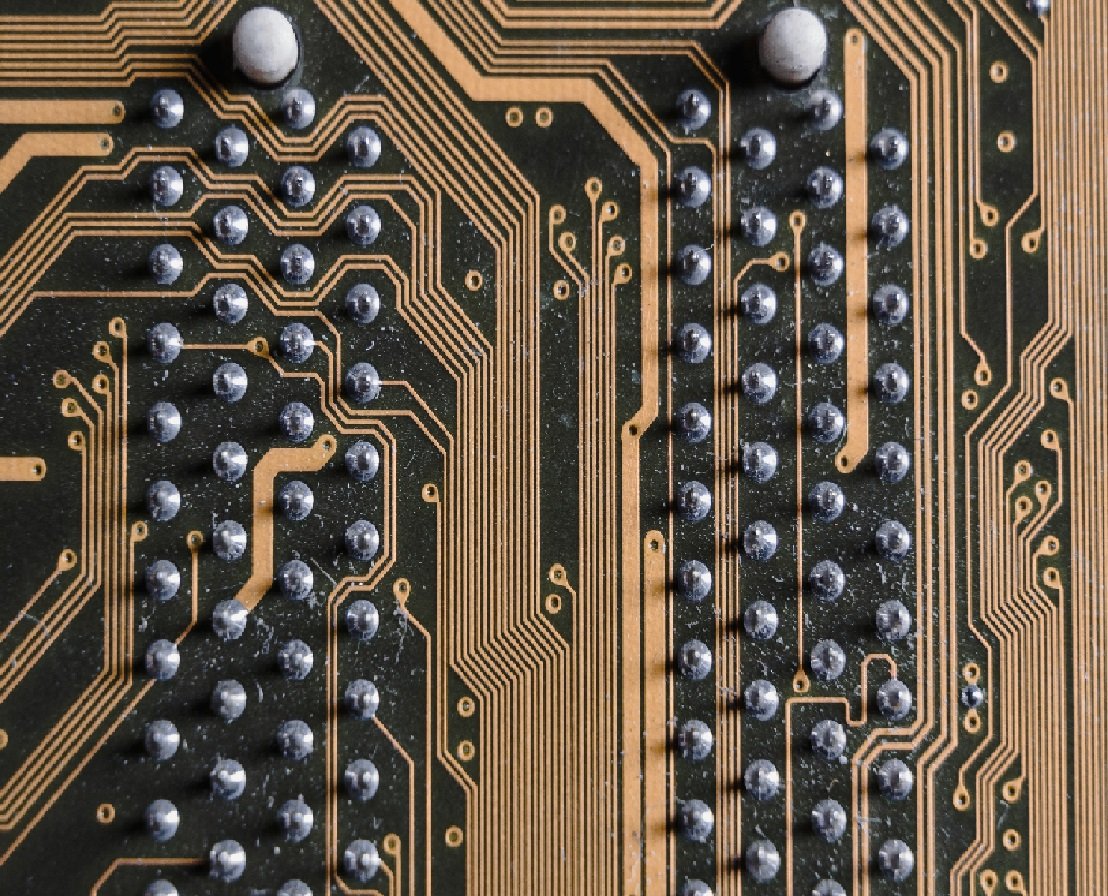
Introduction: Printed Circuit Boards (PCBs) are the backbone of modern technology, powering everything from smartphones and computers to medical devices and automobiles. While their functionality and performance are paramount, the aesthetics of PCBs have also grown in importance. In this blog post, we will explore the world of color trends in printed circuit boards and how they contribute to the overall design and appeal of electronic devices. 1. The Evolution of PCBs: Traditionally, PCBs were designed with a plain green solder mask, which is the protective layer that covers the copper traces on the board. This green color became synonymous with electronics, representing reliability and stability. As technology progressed and became more accessible, designers started experimenting with new color options to enhance the visual appeal of their products. 2. The Rise of Customization: In recent years, the demand for customization has skyrocketed. Consumers no longer want generic electronic devices; they want products that reflect their personality and style. As a result, PCB manufacturers have begun offering a wide range of color options for solder masks, opening up a whole new world of design possibilities. 3. Popular Color Trends in PCBs: 3.1. Bold and Vibrant Colors: One of the current trends in PCB design is the use of bold and vibrant colors. Bright blues, reds, yellows, and even metallic hues add a touch of uniqueness to electronic devices, making them stand out in a crowded market. These eye-catching colors make a statement and can enhance the user's experience. 3.2. Pastel Tones: On the other side of the spectrum, pastel-colored PCBs have also gained popularity. Soft pinks, pale blues, and soothing greens exude a sense of calmness and elegance. Pastel tones are often chosen for consumer electronics like headphones, speakers, and smart home devices, where a touch of sophistication is desired. 3.3. Black is the New Green: Another emerging trend is the use of black solder masks. Black PCBs offer a sleek and modern look, making them an attractive option for high-end electronics where aesthetics play a significant role. 4. The Importance of Color Coordination: Choosing the right color for a PCB is not just about personal preference; it should also take into consideration the entire design of the electronic device. Color coordination between the PCB, components, and enclosure ensures a harmonious and visually appealing final product. This attention to detail can elevate the perceived value of the device and leave a lasting impression on users. 5. Future Possibilities: As technology continues to evolve, so too will the color trends in PCBs. Advancements in printing and manufacturing techniques will allow for even more intricate and detailed color options. Additionally, with the rise of Internet of Things (IoT) devices, PCBs might start incorporating dynamic or customizable lighting effects, offering a whole new dimension to the visual appeal of electronic devices. Conclusion: While functionality remains the top priority in PCB design, the importance of aesthetics and color trends cannot be ignored. Printed circuit boards have come a long way from being just green in color, reflecting the ever-growing desire for customization and personalization. As color options expand and new design possibilities emerge, the future of PCBs looks brighter and more vibrant than ever before. If you are enthusiast, check this out http://www.colorsshow.com


