A DIY Guide to Aircraft Electromagnetic Compatibility
Category : |
Sub Category : Posted on 2023-10-30 21:24:53
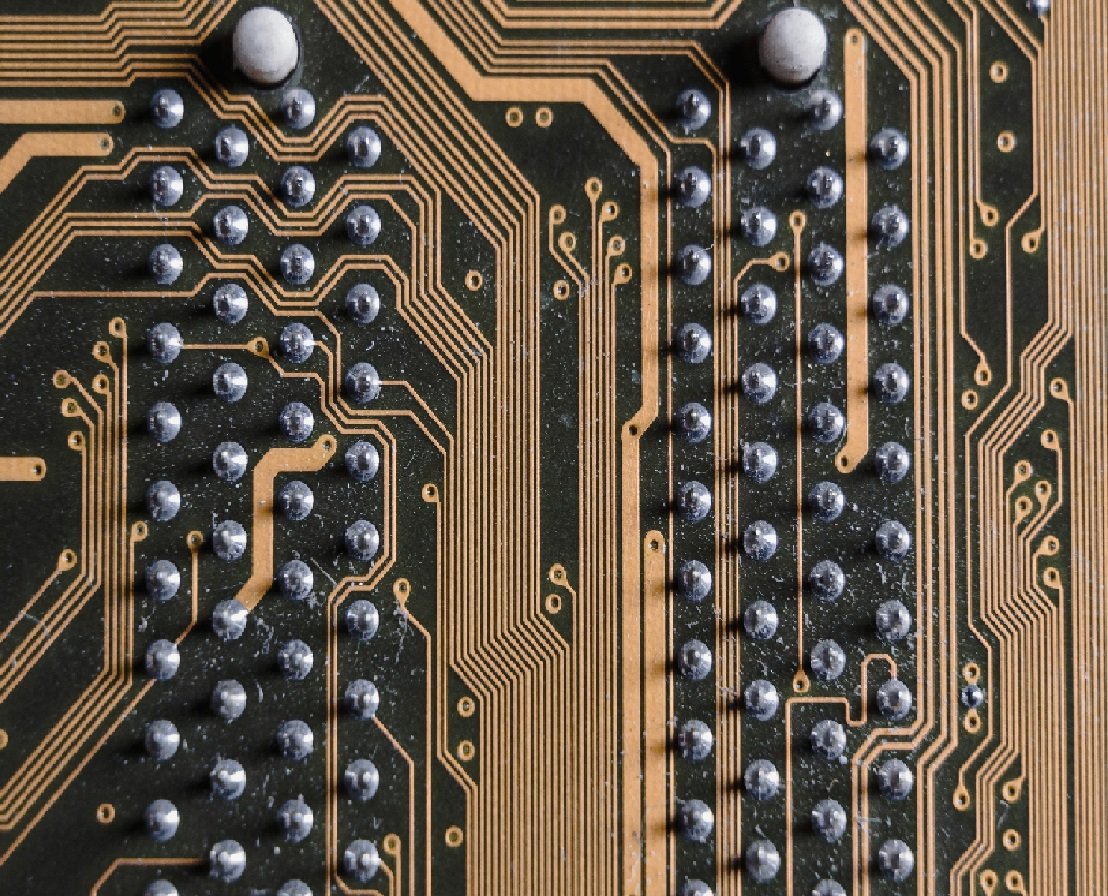
Introduction: Electromagnetic compatibility (EMC) is a critical consideration in aircraft design and maintenance. It ensures that aircraft systems can function properly in the presence of electromagnetic interference (EMI) and avoid potential safety hazards. While EMC is typically addressed by professional aircraft manufacturers, enthusiasts passionate about building their own aircraft may also need to understand the basics of EMC to ensure the safety and reliability of their DIY projects. In this blog post, we will explore the key concepts of aircraft electromagnetic compatibility and provide some valuable tips for DIY aircraft builders. Understanding Electromagnetic Compatibility (EMC): EMC refers to the ability of different electronic systems and devices to operate without interfering with one another. In the case of aircraft, EMC involves controlling and minimizing electromagnetic emissions and susceptibility to interference. This is crucial to prevent disruptions to avionics, communication systems, navigation equipment, and other critical systems. Factors Affecting EMC in DIY Aircraft: 1. Wiring and Grounding: Proper wiring and grounding techniques play a vital role in ensuring good EMC. It is essential to use shielded cables, properly connect grounds, and route wires to minimize electromagnetic interference. Adhering to proper wiring practices can significantly reduce the risks of interference and improve overall aircraft EMC. 2. Component Selection: When choosing components for your DIY aircraft, it is important to consider their EMC characteristics. Some components may emit more electromagnetic radiation than others, potentially leading to interference issues. Opting for components specifically designed for aerospace applications can help minimize such risks. 3. Filtering and Shielding: Implementing appropriate filtering and shielding techniques can help attenuate unwanted electromagnetic radiation. Filters such as ferrite beads, capacitors, and inductors can be used to suppress high-frequency interference. Shielding materials, like conductive foils or metal enclosures, can contain and block electromagnetic radiation. Ensuring Compliance with Standards: While DIY aircraft builders may not be subject to the same regulatory requirements as commercial aircraft manufacturers, it is still essential to strive for compliance with relevant standards. Familiarize yourself with internationally recognized EMC standards, such as those outlined by the Federal Aviation Administration (FAA) or the European Union Aviation Safety Agency (EASA). Even though certification may not be mandatory for DIY aircraft, adhering to these standards ensures best practices and an increased level of safety. Testing and Validation: To ensure the effectiveness of your EMC measures, DIY aircraft builders should perform thorough testing and validation. This involves simulating electromagnetic effects and conducting comprehensive tests on the systems and components. Testing methods may include conducted emissions, radiated emissions, susceptibility to external interference, and more. These tests can help identify any potential EMC issues and allow for necessary adjustments to maximize the integrity of your aircraft's systems. Conclusion: Aircraft electromagnetic compatibility is a crucial aspect of building any aircraft, whether it be commercial or DIY. By understanding the factors that affect EMC, adhering to proper practices, and following relevant standards, DIY aircraft builders can ensure the safety and reliability of their creations. Investing time and effort into addressing EMC concerns will help protect critical systems, enhance performance, and ultimately, contribute to a successful DIY aircraft project. To understand this better, read http://www.s6s.org


