DIY Aircraft Electronics Failure Analysis: Common Issues and Troubleshooting Tips
Category : |
Sub Category : Posted on 2023-10-30 21:24:53
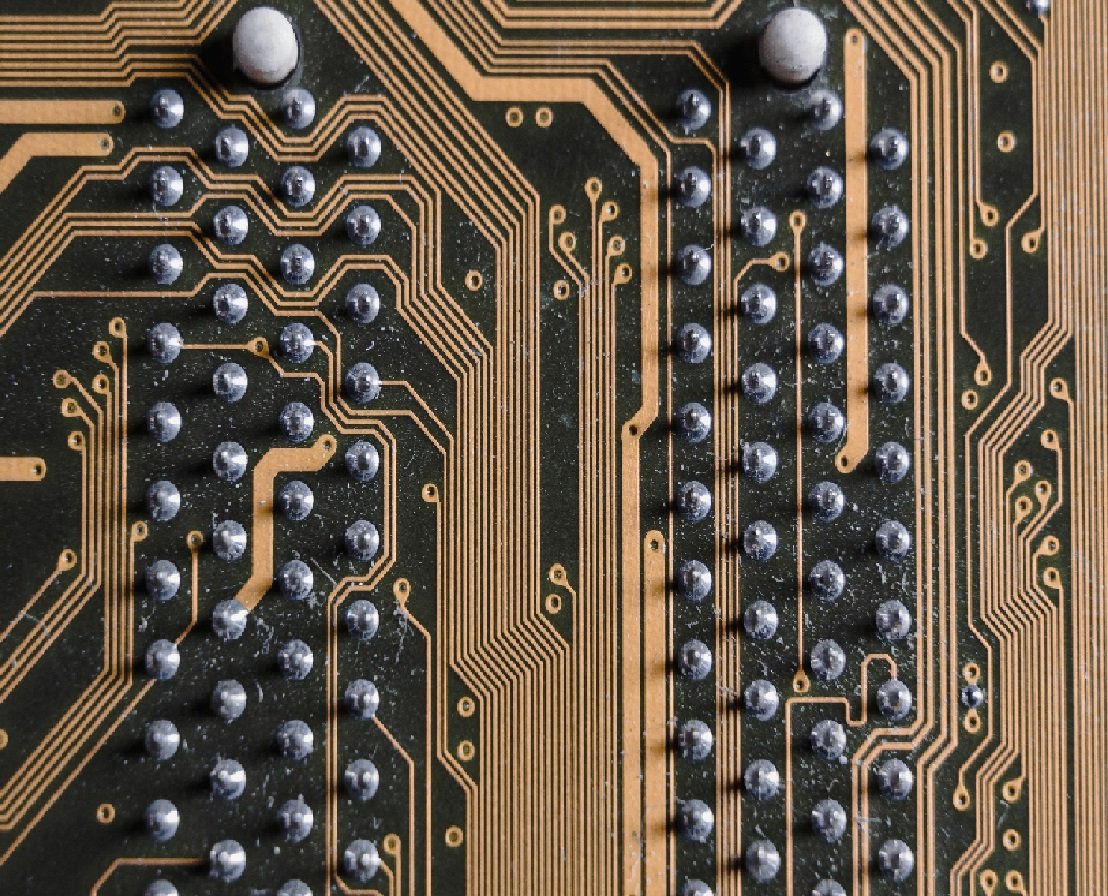
Introduction: Aircraft electronics are crucial components that ensure the safety and functionality of an aircraft. Whether you are a pilot, aviation enthusiast, or a DIY aircraft builder, understanding the common issues related to aircraft electronics failure and the corresponding troubleshooting techniques is vital. In this blog post, we will explore some of the common causes of DIY aircraft electronics failure and provide valuable tips to help you address these issues effectively. 1. Improper Wiring: One of the primary causes of electronics failure in aircraft is improper wiring. Given the intricate nature of aircraft electronics systems, it is essential to follow wiring diagrams and manufacturer guidelines accurately during installation. Common mistakes include loose connections, incorrect gauge wires, or crossing wires. Careful attention to detail can help prevent this issue. Regularly inspect and tighten all connections to ensure proper functionality. 2. Overheating: Overheating can lead to premature failure of electronic components. Inadequate ventilation or improper installation can cause excessive heat build-up, impacting the performance and longevity of the electronics. Ensure that all components are properly cooled, and avoid placing sensitive electronics near heat sources. Regularly clean air vents and ensure good airflow throughout the aircraft to mitigate overheating-related failures. 3. Electrical Interference: Electrical interference from nearby equipment or electrical systems can significantly affect the performance of aircraft electronics. Radio frequency interference (RFI) can disrupt communication systems and navigation equipment. To reduce electrical interference, ensure proper grounding and shielding for all electronics. Use shielded cables and isolators to minimize the impact of external electromagnetic sources. 4. Component Degradation: Like any electronic device, aircraft electronics components can degrade over time due to environmental factors such as temperature, humidity, and vibration. Regular inspections and maintenance are crucial to identify components that may require replacement or repair. Stay updated with manufacturer recommendations regarding component lifespan and maintenance schedules. Replace worn-out or damaged parts promptly to prevent system failures. 5. Inadequate Power Supply: Inadequate or unstable power supply can have detrimental effects on electronic systems. It's essential to ensure that the aircraft's power supply meets the required specifications for all electronics. Use voltage regulators and surge protectors to stabilize the power supply and safeguard the sensitive components. Regularly test and monitor the power supply to catch any inconsistencies or fluctuations that could lead to failures. Conclusion: Understanding the causes of DIY aircraft electronics failure and implementing appropriate troubleshooting techniques is crucial for maintaining safety and reliability in aviation. By following proper installation practices, addressing wiring issues, preventing overheating, mitigating electrical interference, and maintaining a stable power supply, you can significantly reduce the risk of electronics failures in your aircraft. Regular inspections and adherence to manufacturer guidelines will help keep your aircraft electronics in optimal condition, ensuring smooth operations and safe flights. More in http://www.s6s.org


