DIY Drone Electronics Thermal Management: What You Need to Know
Category : |
Sub Category : Posted on 2023-10-30 21:24:53
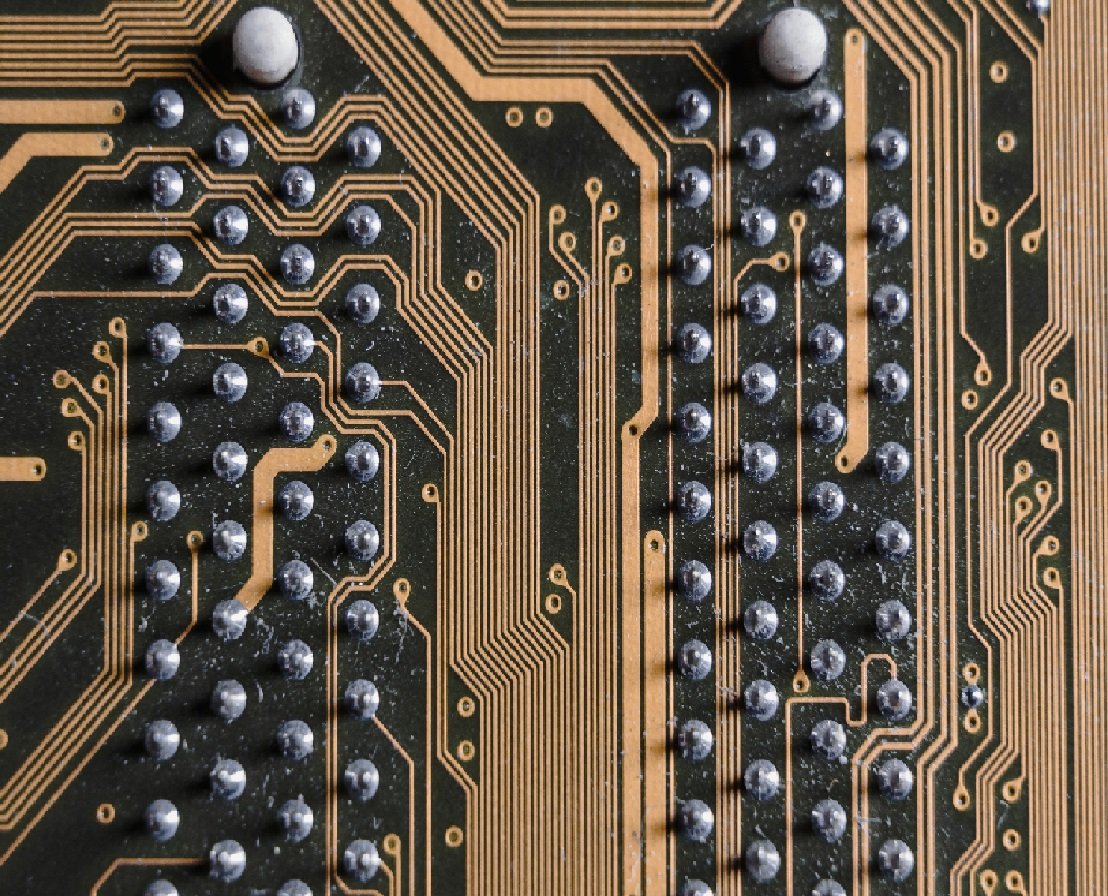
Introduction: As the popularity of drones continues to soar, both hobbyists and professionals are investing their time and effort into building their own customized drones. However, one aspect of drone construction often overlooked is thermal management of the electronics. In this blog post, we will delve into the importance of thermal management in DIY drone electronics and explore some effective strategies to prevent overheating. Understanding the Significance of Thermal Management: Drones are equipped with a range of electronics, including flight controllers, motors, ESCs (electronic speed controllers), and batteries. These components generate heat during operation, and if not managed properly, they can not only reduce drone performance but also cause permanent damage to the hardware. Preventing Overheating and Optimizing Performance: To ensure the longevity and optimum performance of your drone, here are some key strategies for effective thermal management: 1. Proper Ventilation: Ensure your drone design allows for adequate airflow across the internal components. Create openings or vents in the chassis and use cooling fans strategically to facilitate heat dissipation. 2. Heat Sinks and Thermal Pads: Utilize heat sinks and thermal pads to transfer heat away from heat-generating components. Heat sinks, usually made of aluminum or copper, increase the surface area for better heat dissipation, while thermal pads provide effective insulation and avoid direct contact between components. 3. Thermal Paste: Applying high-quality thermal paste between heat-generating components like ESCs and the frame helps improve heat transfer. Thermal paste fills the microscopic gaps between surfaces, ensuring maximum contact and efficient heat dissipation. 4. Positioning: Consider the placement of components within the drone's body. Keep heat-emitting components like ESCs away from sensitive electronic circuitry to prevent heat transfer that could disrupt the functioning of other components. 5. Efficient Battery Management: Batteries are one of the main heat sources in drones. To mitigate overheating, use batteries with higher discharge ratings and consider employing cooling techniques such as battery cooling fans or liquid cooling systems. 6. Monitor and Control: Install temperature sensors to monitor the heat levels inside your drone. Pair them with a control system that can automatically adjust the drone's power and performance based on temperature readings. This way, you can avoid overworking the components in high-temperature conditions. Conclusion: When building a DIY drone, it's crucial to prioritize thermal management to safeguard your investment and maintain optimal drone performance. By implementing strategies like proper ventilation, heat sinks, thermal pads, thermal paste, component positioning, efficient battery management, and monitoring systems, you can effectively control heat and prolong the lifespan of your drone. Don't overlook this crucial aspect of drone construction implement thermal management techniques and make your DIY drone building experience even more rewarding. For comprehensive coverage, check out http://www.s6s.org


