DIY Drone: Mastering Signal Integrity for Maximum Performance
Category : |
Sub Category : Posted on 2023-10-30 21:24:53
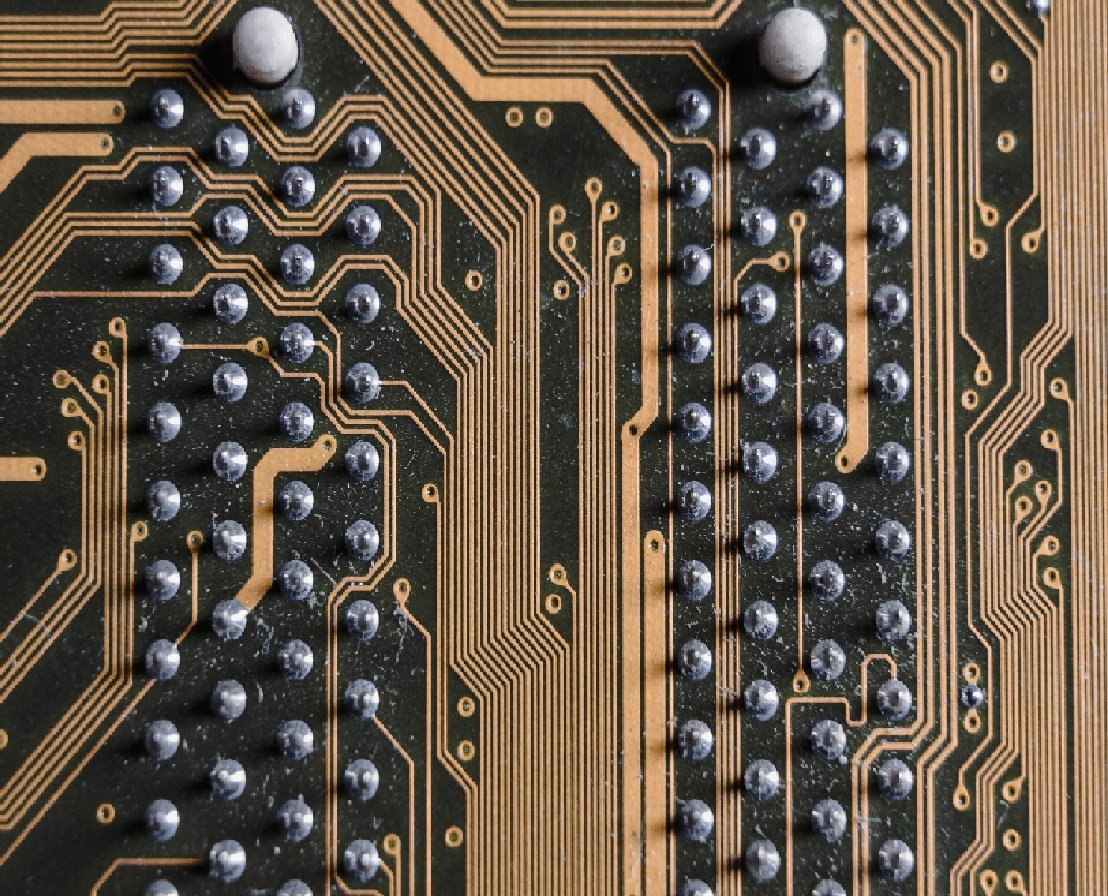
Introduction: In recent years, the popularity of building and flying DIY drones has skyrocketed. These unmanned aerial vehicles (UAVs) offer enthusiasts and professionals an exciting opportunity to explore the world from above. However, one crucial aspect that can significantly impact the performance of a DIY drone is signal integrity. In this article, we will delve into the importance of maintaining signal integrity in your DIY drone and provide useful tips to optimize it for seamless operation. Understanding Signal Integrity in DIY Drones: Signal integrity refers to the quality and integrity of electrical signals transmitted and received within a DIY drone. In essence, it determines how effectively the drone's various components communicate with each other. The signal integrity of a DIY drone depends on multiple factors, including wiring quality, power distribution, signal interference, and grounding techniques. Neglecting any of these aspects can lead to signal degradation, resulting in poor performance, reduced range, and potential flight instability. Tips to Optimize Signal Integrity: 1. Wire Management: Proper wire management is crucial to minimizing signal interference. Keep your wiring neat, organized, and away from potential sources of electromagnetic interference (EMI) such as motors, ESCs (Electronic Speed Controllers), and power cables. Implementing cable trays or using cable ties can also help in reducing potential signal cross-talk. 2. Shielding: Shielding critical components like the flight controller, GPS module, and radio receiver from EMI is paramount. Consider using shielded cables and employ aluminum foil or copper tape to create Faraday cages around these components. This shielding helps to block external radio frequency interference and maintain pristine signal quality. 3. Power Distribution: Ensure a clean and stable power supply throughout the drone circuitry. Noisy power can introduce interference and degrade signal integrity. Use capacitors or voltage regulators to filter out noise and maintain a consistent voltage level to critical components. 4. Grounding Techniques: Proper grounding is essential to reduce noise and maintain signal integrity. Connect all ground points on the flight controller, sensors, ESCs, and other components to a central ground point. Consider using thick low-resistance wires and distributing multiple ground points when necessary. 5. RF Interference: Radio frequency (RF) interference can disrupt the communication between your drone and its remote controller. Avoid flying near sources of RF interference, such as Wi-Fi routers, cell towers, and high-voltage power lines. In heavily populated areas, using a frequency band with minimal interference, such as 2.4GHz or 5.8GHz, is recommended. Conclusion: Signal integrity is a critical aspect of DIY drone building that significantly impacts performance and reliability. By following the tips outlined in this article, you can optimize signal integrity and ensure seamless communication between the various components of your drone. So, whether you're an aspiring drone enthusiast or a seasoned DIY veteran, prioritizing signal integrity will unlock the full potential of your aerial adventures. Happy flying! Want a deeper understanding? http://www.s6s.org


