Building a DIY Drone with Surface Mount Technology Electronics
Category : |
Sub Category : Posted on 2023-10-30 21:24:53
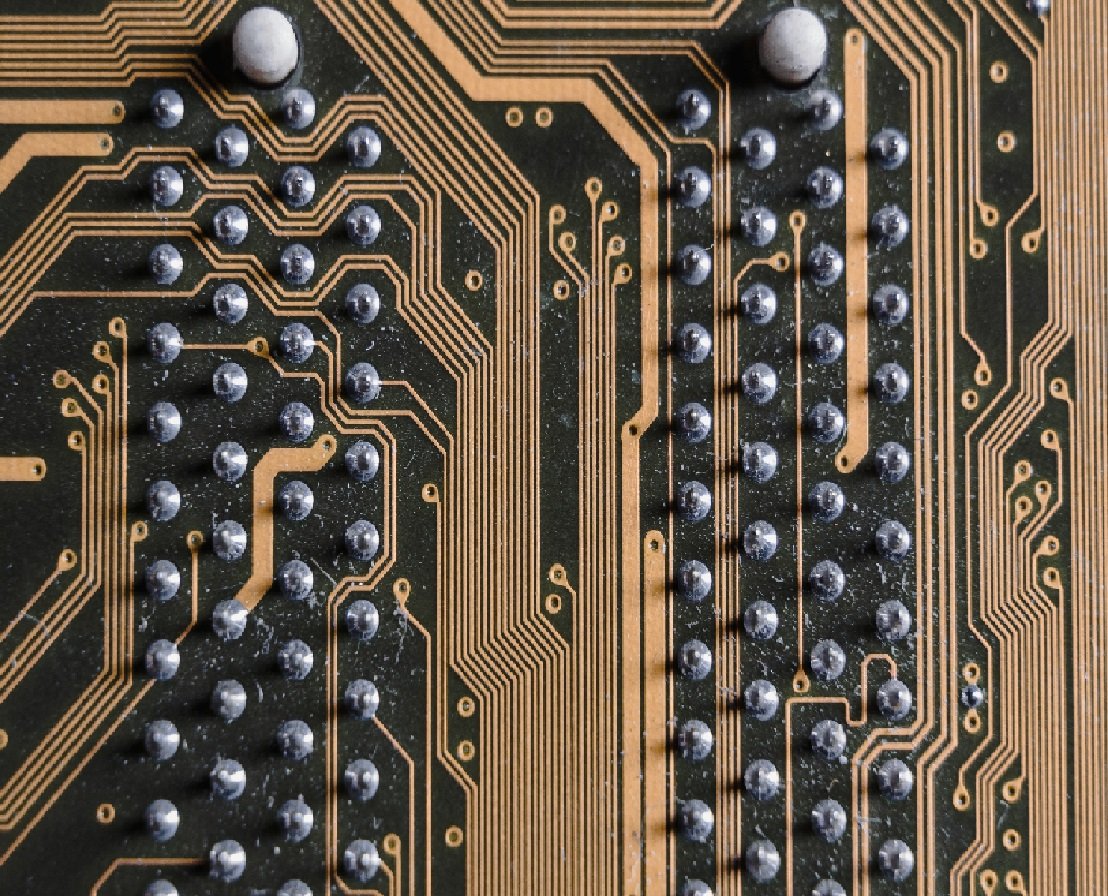
Introduction: Drones have become increasingly popular in a wide range of industries, from aerial photography to agriculture. While there are many commercially available drones on the market, building your own DIY drone can be a rewarding and cost-effective project. In this blog post, we will explore how to build a DIY drone using surface mount technology (SMT) electronics, which offer compactness, efficiency, and advanced functionality. What is Surface Mount Technology Electronics? Surface mount technology (SMT) is a method of electronic component assembly that allows for smaller, lighter, and more efficient designs. Unlike through-hole technology (THT), where components are inserted through holes in a printed circuit board (PCB) and soldered on the opposite side, SMT components are mounted directly onto the surface of the PCB. This approach offers higher component density, improved electrical performance, and the ability to create smaller and more complex circuitry. Advantages of SMT Electronics for DIY Drones: 1. Size and Weight: SMT components are significantly smaller and lighter compared to their through-hole counterparts. This reduced size leads to a more compact drone design, which can be advantageous for maneuverability and portability. 2. Efficiency: SMT components generally have shorter signal paths, resulting in reduced electrical resistance and improved signal integrity. This enhanced efficiency can lead to better power consumption and longer battery life, vital factors for drones that need to stay airborne for extended periods. 3. Advanced Functionality: SMT technology enables the integration of more advanced features and sensors into DIY drones. Components like gyroscopes, accelerometers, altimeters, GPS modules, and wireless communication modules can be seamlessly integrated into the PCB, allowing for precise flight control, navigation, and data transmission. Building a DIY Drone with SMT Electronics: 1. Selecting the Components: Begin by choosing the SMT components that will form the building blocks of your drone. Research and select components based on their specifications, compatibility with your drone design, and availability. 2. Designing the PCB: Create a PCB layout using specialized software or online platforms. Ensure that the design meets your drone's requirements, considering factors such as component placement, signal integrity, and power distribution. 3. Soldering the Components: Soldering SMT components requires precision and attention to detail. Purchase a good quality soldering iron and practice your soldering technique on scrap PCBs or old electronic boards before working on your drone's PCB. 4. Testing and Troubleshooting: Once all the components are soldered onto the PCB, test and troubleshoot the circuitry to ensure proper functionality. Use a multimeter, oscilloscope, or specialized testing equipment to verify connections, measure voltages, and check for any potential issues. 5. Assembling the Drone: With the final PCB ready, it's time to assemble the drone. Attach the PCB to the drone's frame, connect the required wiring, and install any peripheral components such as motors, propellers, and the flight controller. 6. Firmware Setup: After the physical assembly, you'll need to configure and program the flight controller. Familiarize yourself with the drone's firmware, and adjust parameters such as flight modes, PID settings, and transmitter calibration to optimize performance. Conclusion: Building a DIY drone using surface mount technology electronics can be an exciting and fulfilling project for enthusiasts and hobbyists. SMT components offer numerous advantages in terms of size, weight, efficiency, and advanced functionality, enabling the creation of compact and feature-rich drone designs. Remember to follow safety precautions during the assembly process, and enjoy the experience of creating your personalized, high-performance drone from scratch. Happy flying! Looking for more information? Check out http://www.s6s.org


