DIY Experiments Gone Wrong: A Guide to Electronics Failure Analysis
Category : |
Sub Category : Posted on 2023-10-30 21:24:53
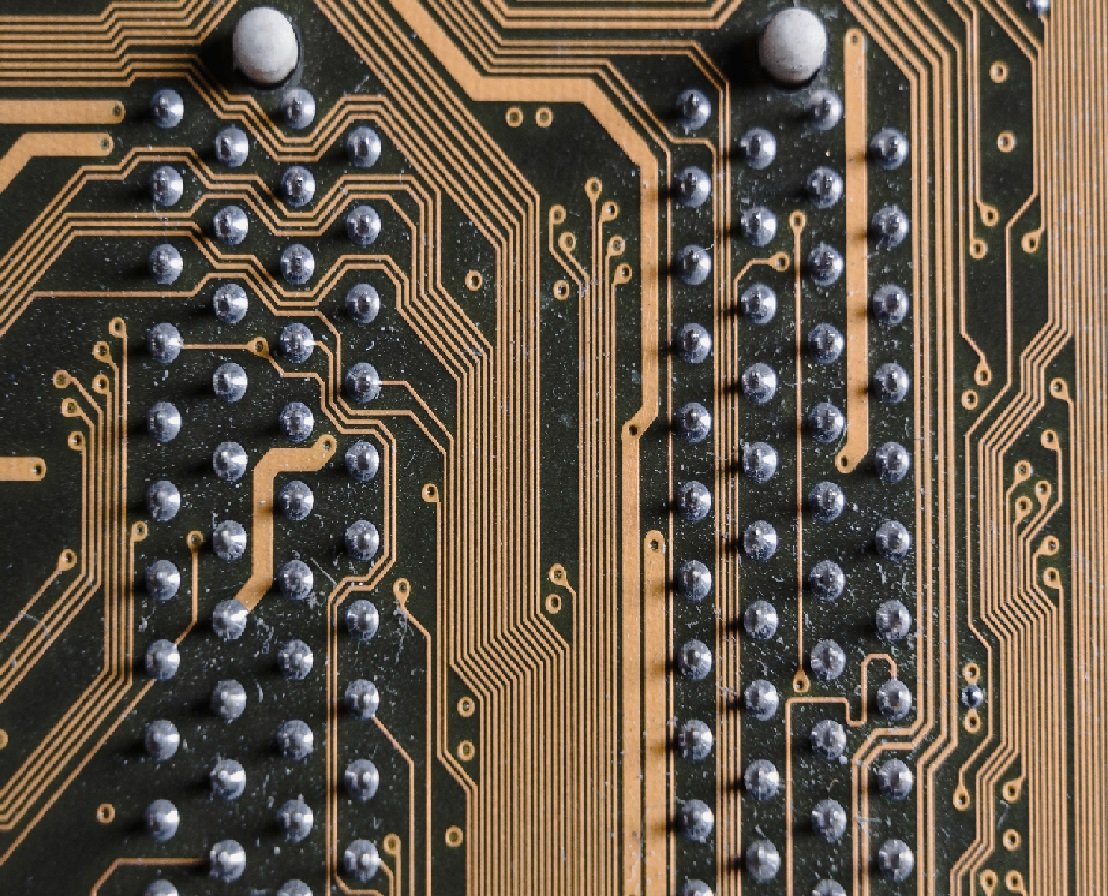
Introduction: DIY experiments can be a fun and rewarding way to learn more about electronics. However, like any experiment, there's always a chance of failure. Whether you're a beginner or a seasoned DIY enthusiast, understanding the reasons behind electronics failure can be crucial in enhancing your troubleshooting skills. In this blog post, we will explore common reasons for electronics failure and provide a comprehensive guide to analyzing and addressing them. 1. Understanding the Basics: Before delving into failure analysis, it's important to have a strong foundation in electronics basics. Familiarize yourself with components, circuitry, and wiring to better comprehend potential failure points. This knowledge will prove invaluable when it comes to diagnosing and fixing issues. 2. Common Electronics Failures: a) Overheating: One of the most prevalent causes of electronics failure is excessive heat. Components that aren't adequately cooled can overheat and malfunction. Ensure proper ventilation and cooling mechanisms to prevent this issue. b) Power Surges: Power surges or voltage spikes can fry delicate components. Protect your circuits by using surge protectors, voltage regulators, or even an uninterruptible power supply (UPS) to safeguard against voltage fluctuations. c) Poor Connections: Loose or poorly soldered connections can lead to intermittency or complete failure of circuits. Pay close attention to the quality of your connections and invest time in perfecting your soldering techniques. d) ESD Damage: Electrostatic discharge (ESD) can cause irreparable damage to sensitive electronic components. Always handle components and circuitry with proper grounding techniques and employ ESD safe practices. 3. Troubleshooting and Failure Analysis Process: a) Identify the Symptoms: Carefully observe and document the symptoms exhibited by the failed electronics. Pay attention to any unusual smells, sounds, or visual anomalies. Accurately describing the symptoms will help you diagnose the issue more effectively. b) Start with the Power Source: Check the power supply and ensure it is delivering the correct voltage to the circuit. Additionally, test the power source with a multimeter to validate its functionality. c) Inspect Components: Visually inspect all components for signs of physical damage. Look for burnt or bulging capacitors, charred resistors, or loose connections. Consider using a magnifying glass or a microscope to detect any microscopic flaws. d) Utilize Testing Equipment: Make use of various testing tools such as multimeters, oscilloscopes, or logic analyzers to measure voltages, check signals, and analyze data. These tools can help you pinpoint the faulty components or areas within the circuit. e) Replace and Test: Once you have identified the culprit component, replace it with a new one. Carefully follow the manufacturer's instructions and avoid any mishandling. Test the circuit after replacement to ensure proper functionality. 4. Learning from Failure: Remember, failure is an integral part of the learning process. Keep a log of your experiments, documenting both successes and failures. Analyze your failures to gain insights into what went wrong and how it can be avoided in future projects. Embrace failure as an opportunity to grow and improve your skills. Conclusion: By understanding the common causes of electronics failure and having a structured approach to failure analysis, you can become a more adept DIY electronics enthusiast. Remember to take precautions, learn from your mistakes, and practice perseverance. Happy troubleshooting and may your future DIY experiments be resounding successes! For the latest research, visit http://www.improvedia.com


