Exploring the World of DIY Experiments in Electronics for IoT Devices
Category : |
Sub Category : Posted on 2023-10-30 21:24:53
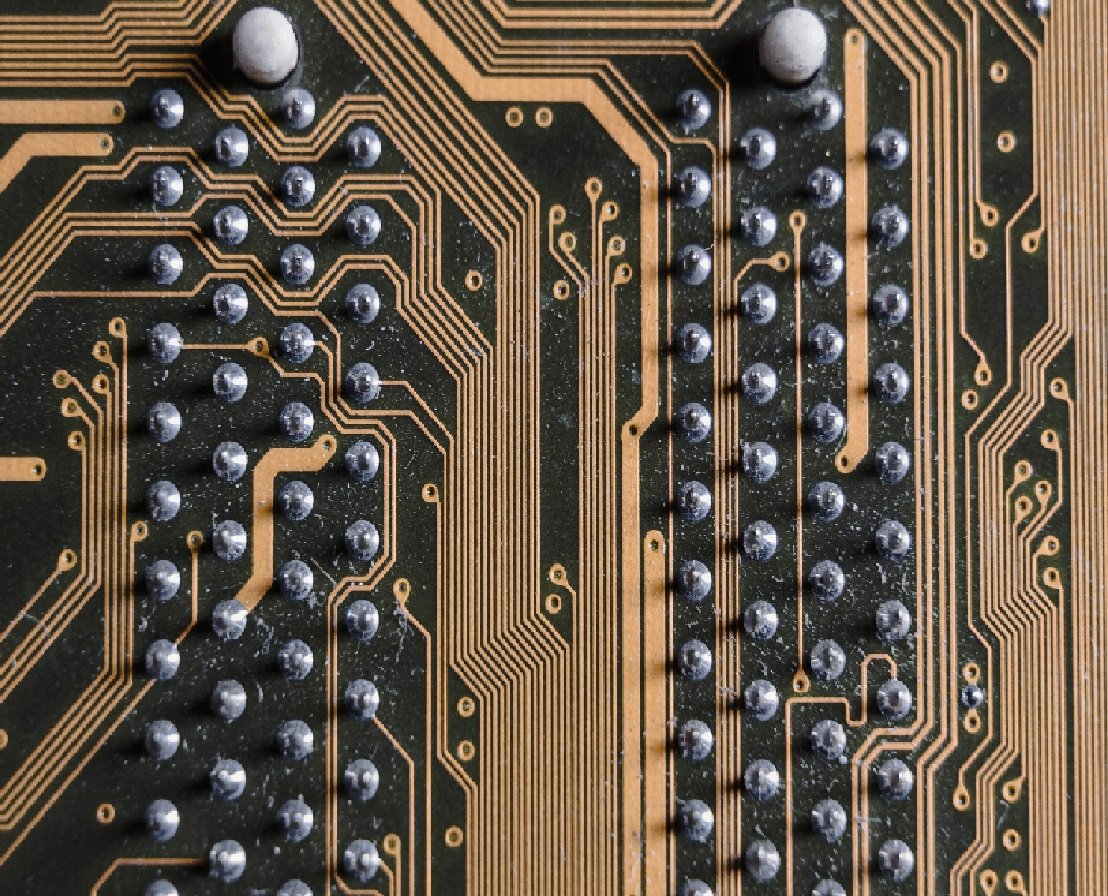
Introduction: The Internet of Things (IoT) has revolutionized the way we interact with technology, bridging the gap between the physical and digital worlds. From smart homes to wearable devices, IoT has become an integral part of our lives. If you're someone who loves tinkering with electronics and enjoys the thrill of creating something new, DIY experiments in electronics for IoT devices might just be the perfect avenue for your creativity. In this blog post, we will dive into the fascinating world of DIY experiments in electronics and explore how they contribute to the development of IoT devices. 1. Understanding the Basics of IoT Devices: Before delving into DIY experiments, it's crucial to have a solid understanding of IoT devices. These devices enable everyday objects to connect to the internet, allowing them to send and receive data. Sensors, microcontrollers, and communication modules are key components that make up IoT devices. Learning about these elements will provide a strong foundation for your DIY experiments. 2. Choosing the Right Tools and Components: To undertake DIY experiments in electronics for IoT devices, you'll need a set of tools and components specifically designed for your desired project. Some commonly used tools include soldering iron, multimeter, wire strippers, and a breadboard. Basic electronic components like resistors, capacitors, LEDs, and sensors are essential for building IoT prototypes. Additionally, Arduino and Raspberry Pi boards are popular choices among enthusiasts due to their versatility and wide community support. 3. Exploring DIY IoT Projects: The realm of DIY experiments in electronics for IoT devices offers a wide range of projects to explore. Here are a few examples to fuel your inspiration: - Smart Home Automation: Develop a system that allows you to control your lights, appliances, and security devices remotely using IoT technology. - Wearable Health Monitors: Create a wearable device that collects biofeedback data such as heart rate, temperature, and sleep patterns, assisting individuals in monitoring their well-being. - Environment Monitoring: Build a sensor network that monitors and collects data on temperature, humidity, air quality, and pollution levels, providing valuable insights for environmental analysis. - Smart Gardening: Design an automated irrigation system that adjusts watering schedules depending on soil moisture levels, ensuring optimal plant health. - Home Energy Management: Develop a device that tracks energy consumption, provides insights on usage patterns, and suggests energy-saving strategies. 4. Embracing Open-Source Platforms: One of the aspects that make DIY experiments in electronics for IoT devices so exciting is the availability of open-source platforms. Arduino, with its extensive library of code examples and large community, offers an easy entry point for beginners. Raspberry Pi, on the other hand, gives you more computing power and flexibility in project implementation. Embracing these platforms not only allows you to leverage the expertise of the community but also encourages knowledge-sharing and collaboration. 5. Learning from Failures and Iterating: As with any DIY project, experimentation often involves trial and error. Embrace failures as learning opportunities and iterate on your designs. Emphasize the importance of troubleshooting and debugging to ensure that you gain valuable insights from each experiment. Conclusion: DIY experiments in electronics for IoT devices open up a world of possibilities, empowering individuals to become creators and contributors to the growing field of IoT. With the right tools, components, and inspiration, you can embark on exciting projects that have the potential to make a real impact. So, roll up your sleeves, harness your creativity, and start exploring the vast realms of DIY experiments in electronics for IoT devices. Happy tinkering! sources: http://www.improvedia.com


