Unleash Your Inner Inventor: DIY Experiments in Electronics Manufacturing
Category : |
Sub Category : Posted on 2023-10-30 21:24:53
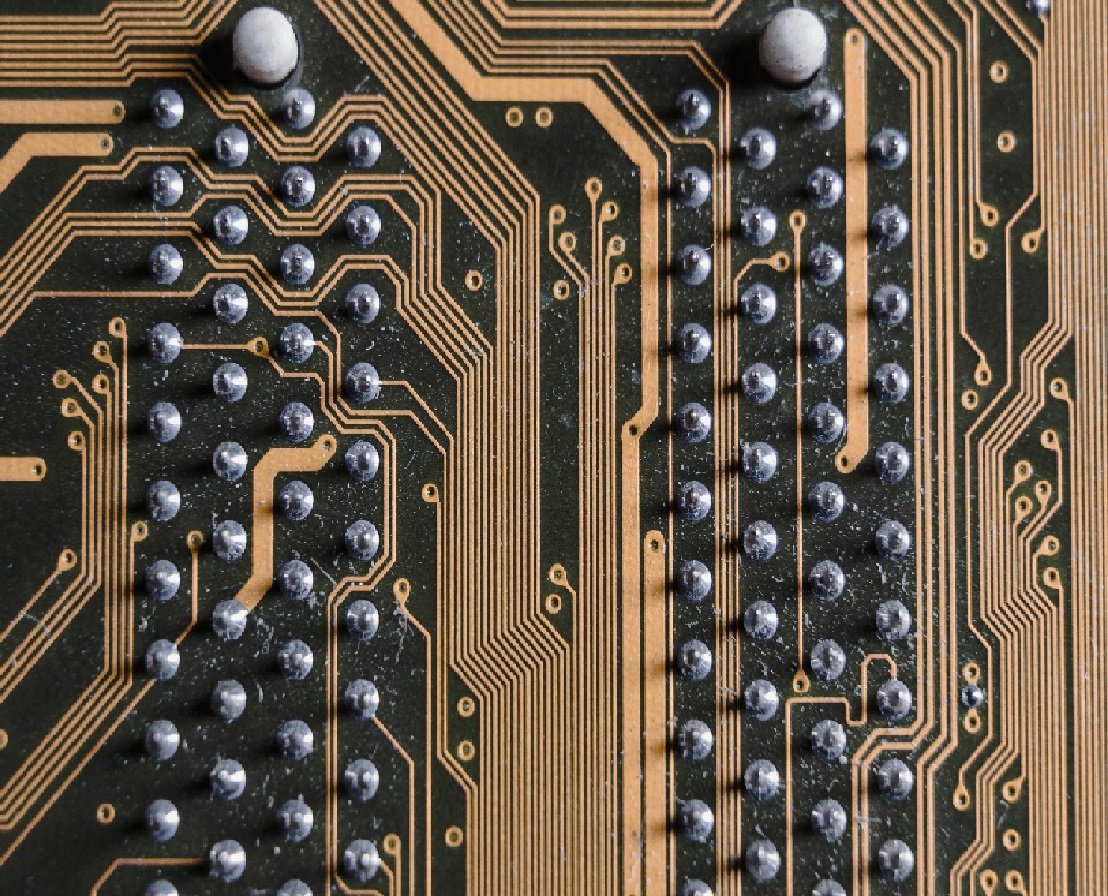
Introduction: The world of electronics manufacturing can often feel daunting and inaccessible to those who are not experts in the field. However, with the rise of do-it-yourself (DIY) culture, it has become easier than ever to unleash your inner inventor and dive into exciting experiments in electronics manufacturing. In this blog post, we will explore some fascinating DIY experiments in electronics manufacturing that will not only expand your knowledge but also give you hands-on experience in creating your own electronic devices. 1. Building Your Own Printed Circuit Boards (PCBs): Printed Circuit Boards are the backbone of any electronic device. In the past, designing and manufacturing PCBs required specialized equipment and resources. However, modern DIY-friendly tools have made it possible for hobbyists and enthusiasts to create their own custom PCBs at home. With the help of affordable software like Eagle or KiCad, you can design your PCB layout, etch the copper layers using chemicals, and populate them with electronic components. This opens up a world of possibilities for creating unique and custom electronics. 2. Developing Open-Source Hardware: Open-source hardware refers to the sharing of designs and specifications of electronic devices and components, allowing others to replicate, modify, and improve upon them. Participating in open-source hardware projects is a fantastic way to engage with the electronics manufacturing community and learn from experienced makers. Platforms like Arduino and Raspberry Pi offer a wide range of open-source projects that you can experiment with, including robotic arms, weather stations, and home automation systems. 3. Soldering and Desoldering Techniques: Soldering is a fundamental skill in electronics manufacturing. By learning how to solder, you gain the ability to assemble and repair electronic components. There are various surface mount and through-hole soldering techniques that you can explore. Practice soldering small components onto proto boards or kits to become comfortable with the process. Additionally, learning how to desolder is equally important, as it allows you to correct mistakes or salvage components from old devices. 4. Circuit Design and Simulation: Before transitioning to the physical prototype, it's crucial to design and simulate your circuits. Software tools like CircuitLab or LTspice enable you to simulate and test your circuit designs on a computer. This allows you to identify potential issues and make improvements before you start constructing your circuits. By simulating your circuits, you save time, effort, and resources, ensuring a higher chance of success with your DIY experiments. 5. Collaborate and Share with the Community: One of the most exciting aspects of DIY electronics manufacturing is the vibrant community of makers and enthusiasts. Engage with online forums, social media groups, and local maker spaces to connect with like-minded individuals who share your passion for electronics. Collaborating with the community not only provides valuable insights and guidance but also opens doors to new ideas and collaboration opportunities. Share your experiments, ask for feedback, and learn from others' experiences the possibilities for growth and knowledge are limitless. Conclusion: Embracing the world of DIY experiments in electronics manufacturing allows you to expand your skills and creativity while fostering a deeper understanding of how electronic devices function. From building your own PCBs to participating in open-source projects, there are endless avenues to explore. As you embark on your DIY journey, remember to enjoy the process, learn from your mistakes, and constantly seek to expand your knowledge. Unleash your inner inventor and watch as your understanding of electronics manufacturing flourishes. Happy experimenting! For a closer look, don't forget to read http://www.improvedia.com


