Unlock the Power of FPGA Electronics with DIY Experiments
Category : |
Sub Category : Posted on 2023-10-30 21:24:53
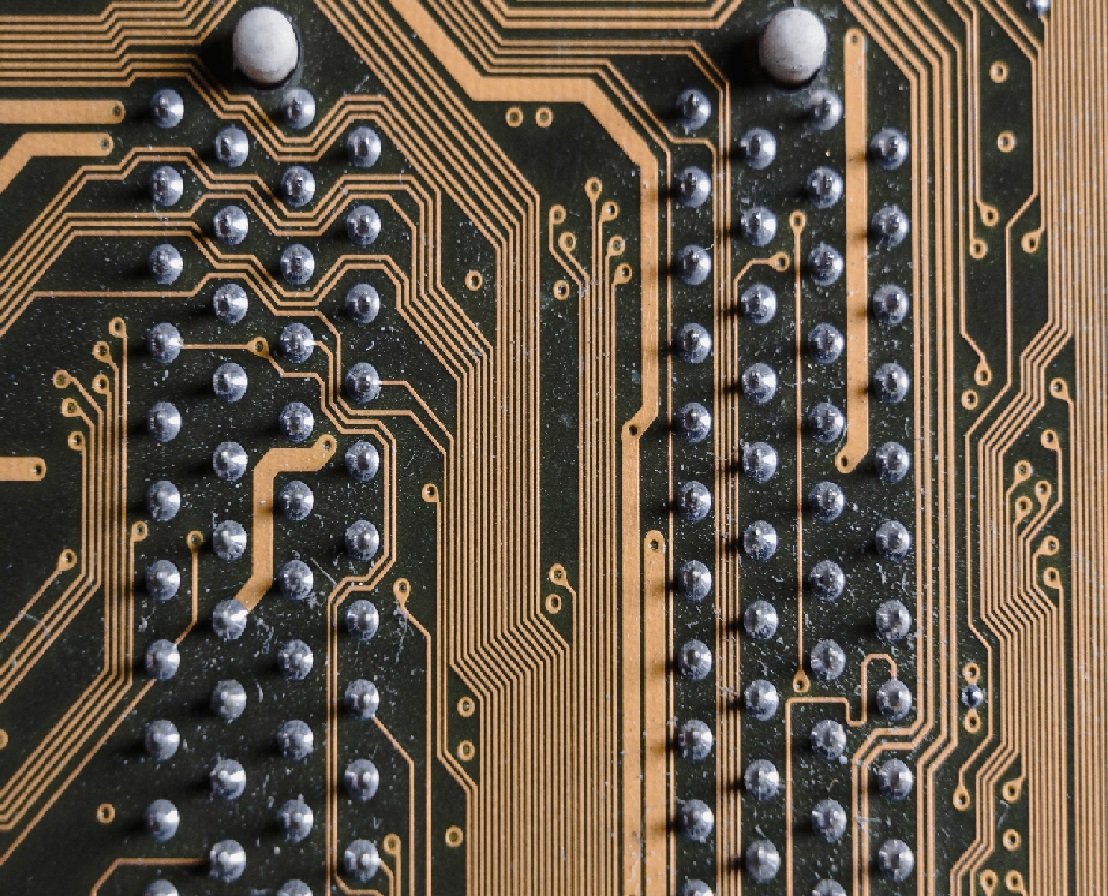
Introduction: Field Programmable Gate Arrays (FPGAs) have become increasingly popular in the world of electronics and digital design. These versatile integrated circuits allow for the implementation of complex digital designs and algorithms, making them crucial components in various industries, including aerospace, telecommunications, and automotive. While learning about FPGA electronics may sound intimidating, DIY experimentation is a fantastic way to dive into this exciting field. In this blog post, we will explore the world of FPGA electronics and discuss some fascinating DIY experiments you can try. 1. Understanding FPGA Electronics: In simple terms, FPGA electronics are programmable logic devices that allow you to create digital circuits or systems. Unlike traditional application-specific integrated circuits (ASICs), FPGAs can be reprogrammed to perform different tasks and adapt to changing requirements. They consist of an array of programmable logic blocks, configurable interconnects, and input/output blocks that enable the implementation of complex digital designs. 2. Getting Started with FPGA Experiments: To embark on your FPGA electronics journey, you'll need a development board with an FPGA chip, such as the popular Altera or Xilinx devices. Several affordable options are available on the market for beginners. Additionally, you can leverage open-source tools like VHDL or Verilog for designing and programming your digital circuits. 3. Experiment Ideas: a. LED Blinking: A classic experiment to start with is blinking an LED. It helps you get acquainted with the development environment, design software, and programming language. Begin by creating a simple circuit that toggles an LED on and off using basic logic gates programmed onto the FPGA. b. Seven-Segment Display: Extend your experiment by integrating a seven-segment display and programming the FPGA to display numbers, characters, or even simple animations. This experiment will help you understand data encoding, multiplexing, and interfacing with external peripherals. c. Digital Clock: Design a digital clock using the FPGA and a real-time clock module. This experiment involves integrating various functionalities, including timekeeping, displaying time on the seven-segment display, and adding push-button inputs to set the time. You can also explore adding alarm features and implementing different clock formats. d. VGA Graphics Generation: Take your experimentation to the next level by generating VGA graphics using the FPGA. By simulating a VGA controller, you can produce beautiful visuals and explore basic image processing techniques. You could try displaying simple shapes, patterns, or even scroll text on a computer monitor. 4. Community and Online Resources: The DIY FPGA electronics community is vibrant and supportive, making it an excellent place to seek guidance, share experiences, and exchange ideas. Numerous online forums, blogs, and YouTube channels are dedicated to FPGA experiments and tutorials. Platforms like GitHub host open-source projects with code samples and reference designs that you can learn from and build upon. Conclusion: DIY experiments are a fun and engaging way to learn about FPGA electronics. Through these experiments, you can grasp the fundamentals of digital design, gain hands-on experience with programming FPGAs, and explore exciting applications. Whether you're a hobbyist, a student, or a professional, delving into the world of FPGA electronics will undoubtedly enhance your skills and open doors to new possibilities. So, grab an FPGA board, start experimenting, and unlock the immense potential of FPGA technology! For a deeper dive, visit: http://www.improvedia.com


