Mastering DIY Experiments: Essential Soldering Techniques for Beginners
Category : |
Sub Category : Posted on 2023-10-30 21:24:53
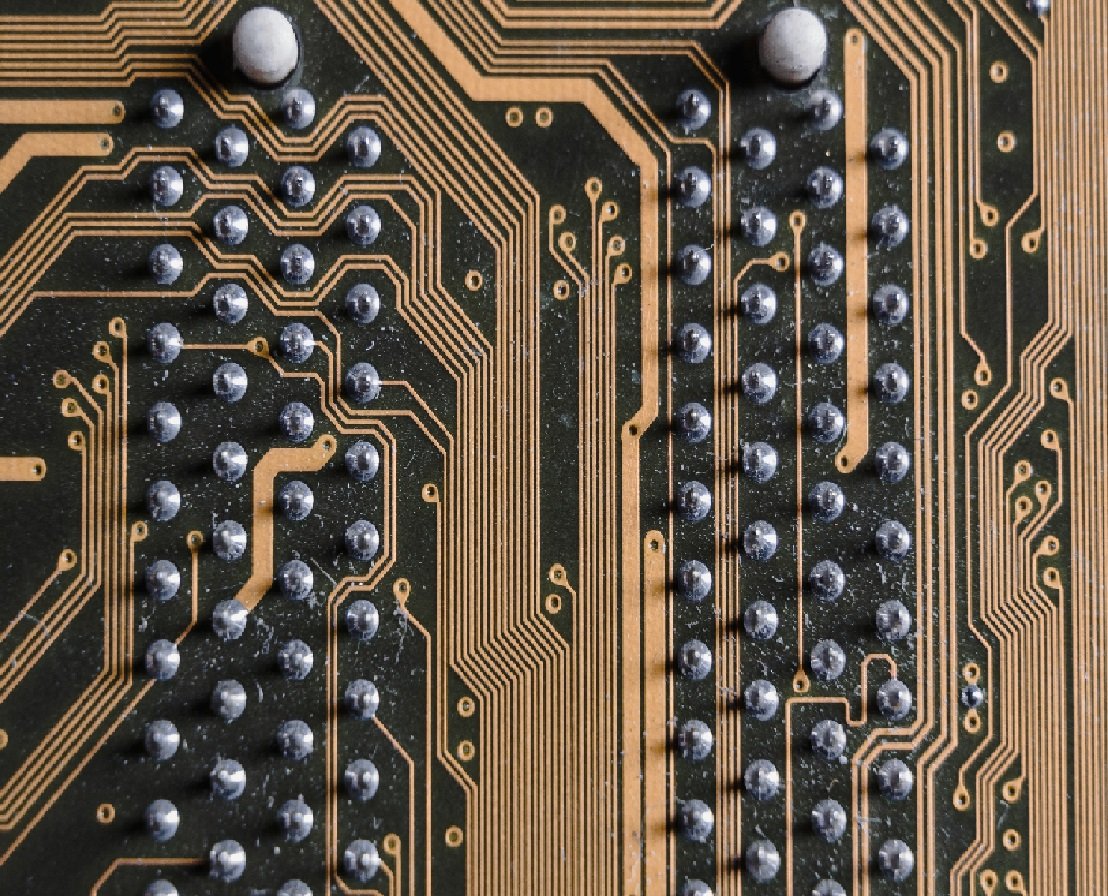
Introduction: Soldering is a fundamental skill for any DIY enthusiast or hobbyist looking to delve into electronic projects. Whether you're repairing a broken circuit board or creating your own electronic gadget, understanding soldering techniques is crucial. In this blog post, we will discuss some essential soldering techniques that will enable you to successfully execute your DIY experiments. 1. Choosing the Right Soldering Iron: Before diving into soldering techniques, it's important to have the right tools. A quality soldering iron with adjustable temperature control is highly recommended. Ensure you have a fine tip that allows precision soldering, particularly for intricate connections. 2. Preparing the Workspace: Having a clean and organized workspace is essential for safe and efficient soldering. Make sure to have ample lighting and a fire-resistant surface to prevent accidental damage. Additionally, keep a sponge nearby for cleaning the soldering iron tip. 3. Properly Heating the Soldering Iron: Allow your soldering iron sufficient time to heat up to the desired temperature. This typically takes a few minutes. Optimal temperature ranges from 300C to 400C, but it can vary depending on the type of solder and components you are working with. 4. Tin Your Soldering Iron Tip: Tinning the iron tip is a crucial step before starting any soldering project. Apply a small amount of solder to the tip, ensuring it covers the entire surface area. This prevents oxidation and promotes better heat transfer between the soldering iron and components. 5. Preparing the Components to be Soldered: Before soldering, ensure that the components you are working with are clean and free from dirt, debris, or oxidation. Additionally, if dealing with wires, it's recommended to strip the insulation approximately 1-2 cm from the end for better contact. 6. Applying Solder to Components: To make a solid connection, heat the component's lead or pad first using the soldering iron. Then gently apply the solder to the joint, not directly to the iron. Allow the solder to flow around the joint, ensuring it covers both the lead/pad and wire. Avoid excessive solder as it can cause cold joints or unwanted bridging. 7. Use Helping Hands or Other Aids: When working on complex projects or when needing to hold components steady, consider using helping hands or other soldering aids. These tools provide support and allow for more accurate soldering, especially when dealing with small or delicate components. 8. Cleaning and Inspecting Solder Joints: After soldering a joint, it's essential to inspect for a clean and smooth connection, commonly referred to as a shiny or wet joint. If necessary, use flux and a solder wick to remove excess solder or correct any mistakes made during the soldering process. 9. Practice Makes Perfect: Like any skill, soldering mastery comes with practice. Start with simple projects, such as soldering wires, and gradually work your way up to more complex tasks. Don't be discouraged by initial failures - learning from mistakes is part of the process. Conclusion: By mastering these essential soldering techniques, you open up a world of possibilities for DIY experiments. Remember, soldering requires patience, precision, and practice. With the right tools, workspace, and techniques, you'll be well on your way to creating and repairing electronics like a pro. Happy soldering! Want a deeper understanding? http://www.improvedia.com


