DIY Experiments with Surface Mount Technology Electronics: Unleashing Your Inner Electronics Guru
Category : |
Sub Category : Posted on 2023-10-30 21:24:53
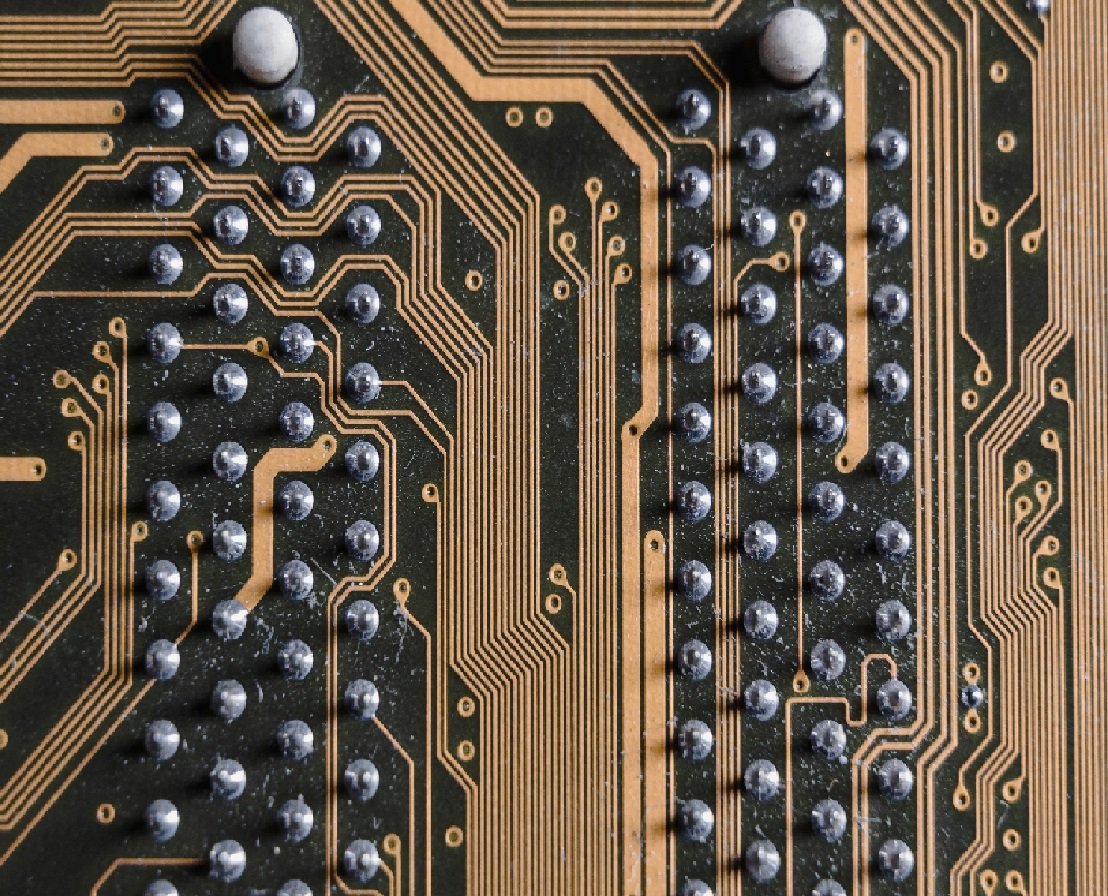
Introduction: Surface mount technology (SMT) has revolutionized the electronics industry, allowing for smaller and more compact device designs. While SMT was once the domain of specialized manufacturers, it has now become accessible for DIY enthusiasts. In this blog post, we will explore the world of DIY experiments with SMT electronics, highlighting the benefits, challenges, and a few exciting projects to get you started on your journey as an electronics guru. Benefits of SMT Electronics for DIY Enthusiasts: SMT electronics offer several advantages over traditional through-hole components. Firstly, they take up less space on the printed circuit board (PCB), allowing for more compact designs. This makes them perfect for projects where space is limited, such as wearable electronics or IoT devices. Secondly, SMT components are typically cheaper and more readily available than their through-hole counterparts, making them an economical choice for hobbyists. Lastly, SMT devices provide better electrical performance, including improved high-frequency characteristics and reduced parasitic capacitance, resulting in enhanced overall performance. Challenges of Working with SMT Electronics: While SMT components offer many benefits, they can also pose challenges for DIY enthusiasts. The main hurdle is the smaller size of these components. SMT components are tiny, often only a fraction of the size of traditional through-hole components, making them difficult to handle and solder. The delicate nature of SMT devices requires a steady hand, precision tools, and proper techniques to ensure successful assembly. However, with practice and the right tools, these challenges can be overcome, opening up a whole new world of possibilities. Exciting DIY Experiments with SMT Electronics: 1. LED Matrix Display: Build an LED matrix display using SMT components to create eye-catching visual effects. With a microcontroller, some LEDs, and a custom-designed PCB, you can create a mesmerizing LED display that can be programmed to showcase different patterns, images, or even scrolling texts. This project will not only enhance your SMT soldering skills but also provide a visually stunning result. 2. Temperature and Humidity Sensor: Design your own temperature and humidity sensor using SMT components. By combining an SMT microcontroller, a humidity sensor, and a temperature sensor, you can create a small, low-power device perfect for monitoring environmental conditions. With the right programming, you can interface this sensor with your smartphone or home automation system for smart home applications. 3. Portable USB Charger: Create a compact and portable USB charger using SMT components. By utilizing SMT voltage regulators, capacitors, and USB connectors, you can build a pocket-sized power bank capable of charging your electronic devices on the go. This project will not only test your SMT soldering skills but also provide a useful gadget for your everyday life. Conclusion: DIY experiments with surface mount technology electronics offer exciting opportunities to unleash your inner electronics guru. Despite the initial challenges associated with working with smaller components, the benefits of SMT technology make it worthwhile. By embarking on projects like LED matrix displays, temperature and humidity sensors, and portable USB chargers, you can enhance your soldering skills, expand your knowledge in electronics, and have fun in the process. So go ahead, grab those miniature components, and start building your own SMT creations today! Seeking answers? You might find them in http://www.improvedia.com


