A Beginner's Guide to DIY Home Electromagnetic Compatibility
Category : |
Sub Category : Posted on 2023-10-30 21:24:53
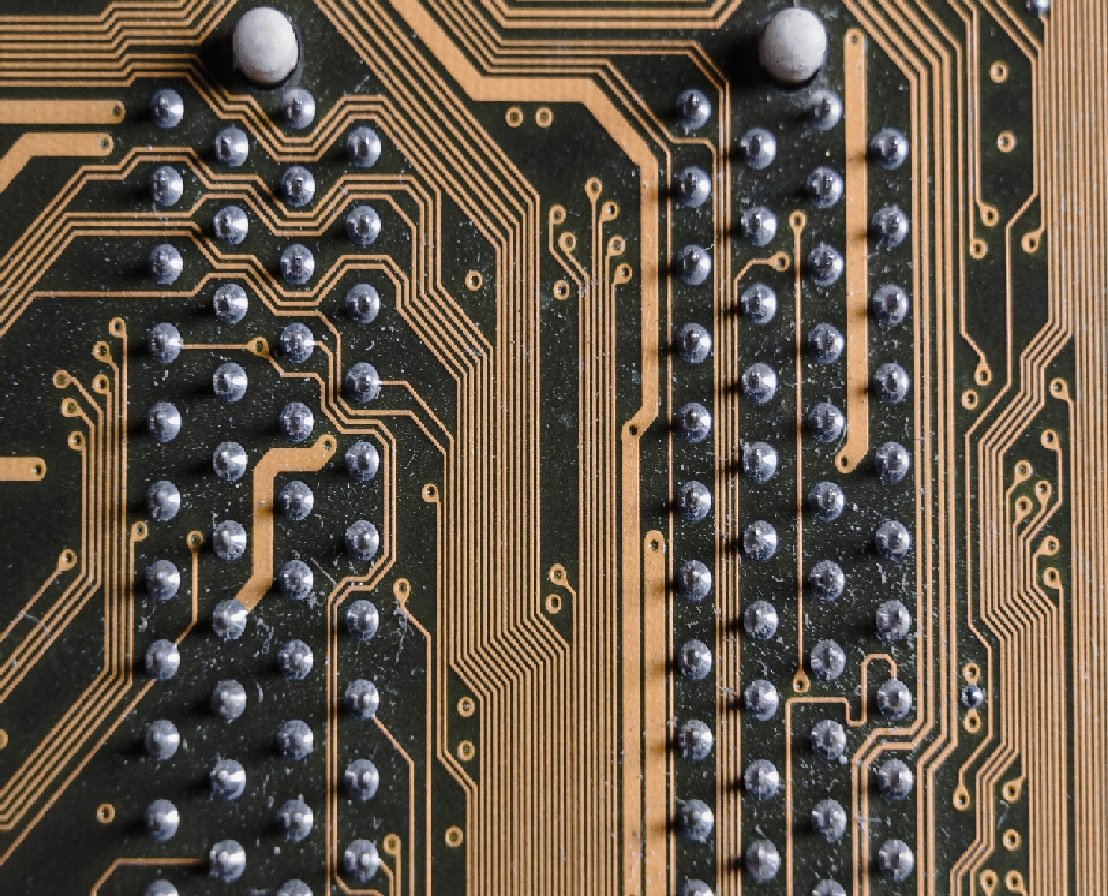
Introduction: In our modern world, electronic devices have become an integral part of our daily lives. However, with the increasing number of devices, it's essential to ensure electromagnetic compatibility (EMC) within our homes. EMC is the ability of electronic devices to function without interfering with each other or causing any disruptions. In this blog post, we will explore some tips and techniques for achieving DIY home electromagnetic compatibility. 1. Understand the Basics of EMC: Before diving into DIY methods, it's important to understand the basics of electromagnetic compatibility. EMC involves two key factors: electromagnetic interference (EMI) and electromagnetic susceptibility (EMS). EMI refers to the unintentional radiation emitted by electronic devices, while EMS refers to a device's vulnerability to EMI. 2. Identify Potential EMC Challenges: To achieve electromagnetic compatibility in your home, start by identifying potential challenges. Look for areas where you have multiple electronic devices in close proximity, such as entertainment centers or home offices. Additionally, consider any devices that emit high levels of electromagnetic radiation, like Wi-Fi routers or microwave ovens. 3. Proper Wiring and Grounding: One of the fundamental aspects of achieving EMC is proper wiring and grounding. Ensure that your home's electrical wiring is installed correctly, with appropriate grounding measures in place. Adequate grounding can mitigate EMI and minimize the risks of electric shocks and fire hazards. 4. Shielding and Enclosures: Another effective way to address EMC is through shielding techniques. Consider using shielded cables for your audio, video, and networking connections. Shielding prevents electromagnetic radiation from escaping and also helps in reducing EMI interference from external sources. 5. Strategic Placement of Electronic Devices: To minimize electromagnetic interference, strategically place your electronic devices. Keep appliances like microwaves and refrigerators away from sensitive electronic equipment, as they can generate significant EMI. Similarly, avoid placing Wi-Fi routers near electronic devices that are prone to interference, such as speakers or televisions. 6. Utilize Ferrite Chokes: Ferrite chokes are simple devices that can significantly reduce EMI. These cylindrical components are designed to suppress high-frequency noise and can be easily installed on cables. By snapping ferrite chokes onto cables, you can minimize EMI emissions and enhance EMC within your home. 7. Regular Maintenance and Upkeep: Maintaining your electronic devices is essential for ensuring long-term EMC. Keep your devices clean and free from dust and debris, as clogged ventilation can lead to overheating and potential EMI issues. Regularly update firmware and software to access any patches or fixes for EMC-related vulnerabilities. Conclusion: Achieving DIY home electromagnetic compatibility may seem daunting, but with some basic knowledge and techniques, it is definitely achievable. Remember to understand the basics of EMC, identify potential challenges, and implement appropriate measures, such as proper wiring, shielding, strategic placement, and using ferrite chokes. By following these steps, you can create an environment where your electronic devices can coexist harmoniously without causing EMI disruptions. Have a look at http://www.svop.org To expand your knowledge, I recommend: http://www.mimidate.com


