DIY Home Electronics: A Guide to Testing and Measurement
Category : |
Sub Category : Posted on 2023-10-30 21:24:53
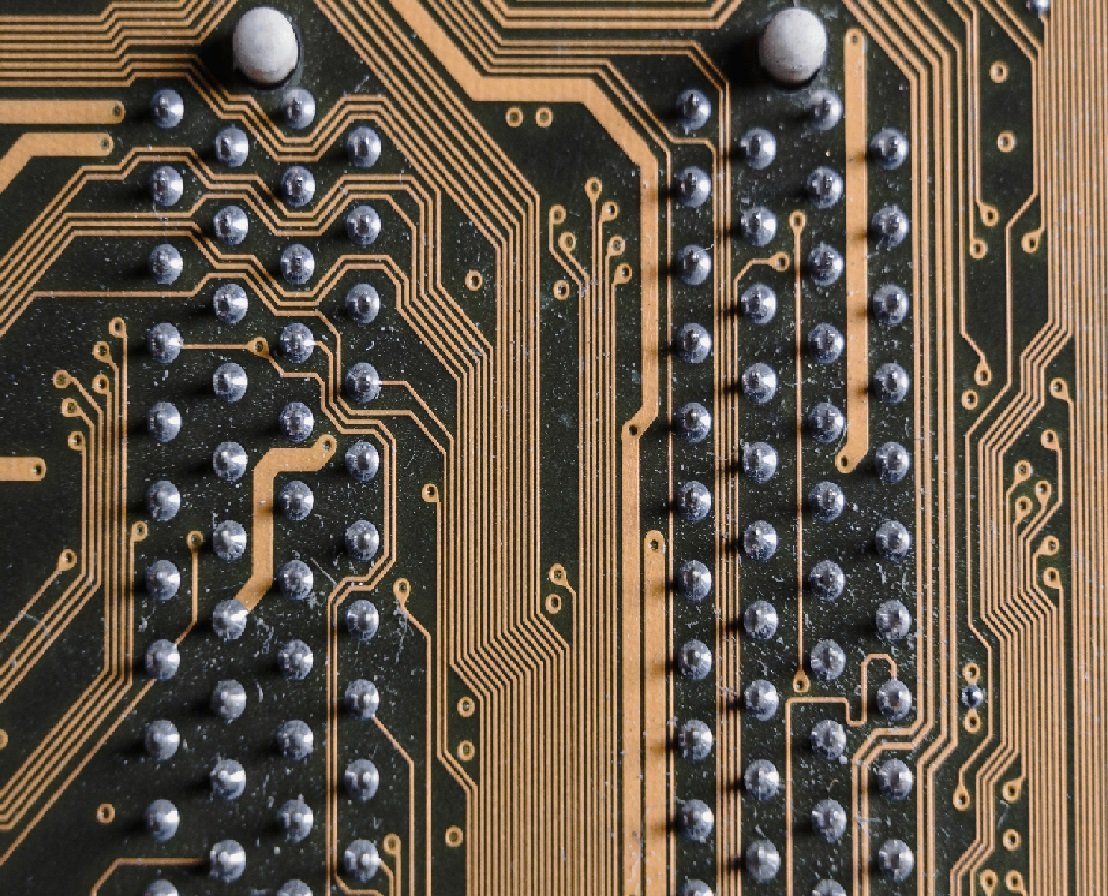
Introduction: In today's technology-driven world, electronics play a crucial role in our everyday lives. Whether it's troubleshooting a faulty circuit board or building a new gadget, proper testing and measurement are essential to ensure optimal performance and functionality. In this blog post, we will delve into the world of DIY home electronic testing and measurement, providing you with the necessary knowledge and tools to confidently handle your electronic projects. 1. Understanding Basic Testing Equipment: Before diving into the DIY electronic testing process, it's important to familiarize yourself with the basic tools commonly used in electronic testing. These include a multimeter, oscilloscope, logic analyzer, and power supply. We will discuss each of these tools, their functions, and how to use them effectively. 2. Multimeter - Your Best Friend: A multimeter is a versatile tool that should be a staple in every DIY electronics enthusiast's toolkit. We will guide you through the different measurements you can perform with a multimeter, such as measuring voltage, current, resistance, and continuity. Additionally, learn how to troubleshoot common issues using a multimeter to diagnose faulty components. 3. Oscilloscope - Capturing Signals: An oscilloscope is a powerful tool that allows you to visualize electronic signals, making it instrumental in analyzing waveforms, voltage levels, and frequencies. Our blog post will provide you with a step-by-step guide on using an oscilloscope to "see" the behavior of your circuits accurately, helping you troubleshoot potential issues and achieve desired results. 4. Logic Analyzer - Analyzing Digital Signals: For those working with digital circuits or microcontrollers, a logic analyzer comes in handy. We will explain how a logic analyzer works and guide you through the process of capturing and analyzing digital signals, enabling you to track down issues in your circuit's logic and timing. 5. Power Supply - Providing Clean Power: In many electronic projects, a stable and clean power supply is essential for proper functioning. We will discuss the different types of power supplies available and their advantages in providing a steady source of voltage to your circuit. Furthermore, we will guide you on how to measure and adjust the voltage output of a power supply to meet your project's requirements. 6. Safety Measures: Handling electronics involves potential risks, both to your project and personal safety. We will discuss important safety measures to consider, such as proper grounding, using appropriate personal protective equipment, and avoiding common mistakes that can damage your components or yourself. Conclusion: Testing and measurement are integral parts of any DIY electronics project. Armed with the knowledge and tools outlined in this blog post, you can confidently tackle your home electronic projects with greater accuracy and precision. Remember to always prioritize safety and double-check your measurements to ensure reliable results. Happy testing and measuring! For a fresh perspective, give the following a read http://www.svop.org Explore this subject further for a deeper understanding. http://www.mimidate.com


