A Beginner's Guide to DIY Home Electronics: Essential Components for PCB Projects
Category : |
Sub Category : Posted on 2023-10-30 21:24:53
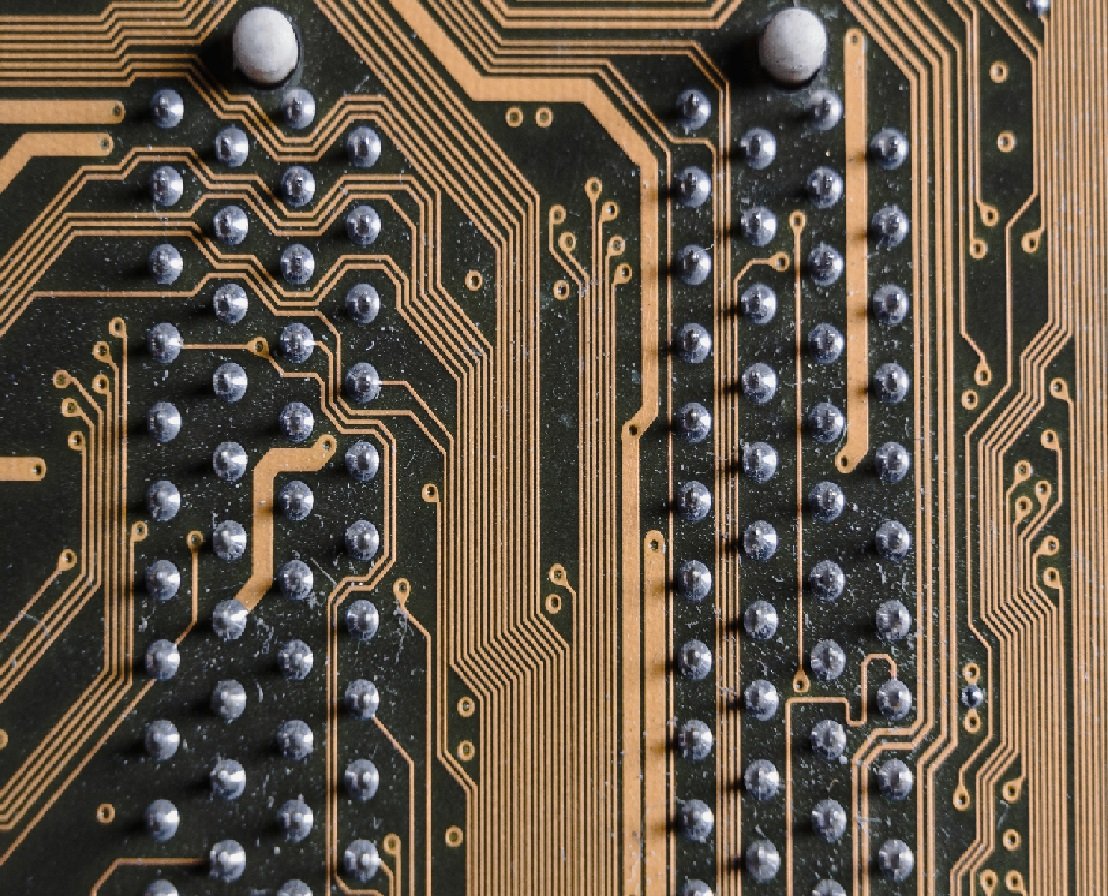
Introduction: Are you an electronics enthusiast looking to step up your game and try your hand at building your own electronic devices or printed circuit boards (PCBs) for your home? DIY home electronics projects can be a rewarding and enjoyable hobby, but it's important to understand the essential components you'll need to bring your ideas to life. In this beginner's guide, we'll explore the fundamental electronic components you should have in your arsenal when working on DIY PCB projects. 1. Resistors: Resistors are one of the most commonly used components in electronic circuits. These tiny passive components are responsible for restricting the flow of electric current in a circuit. They provide precise resistance values, allowing you to control the amount of current flowing through other components. 2. Capacitors: Capacitors store and release electrical charge. They can be used for a variety of purposes in DIY electronic projects, such as reducing voltage spikes, filtering unwanted noise, and stabilizing power supplies. Capacitors come in different capacitance values and voltage ratings, so it's crucial to choose the right one for your specific application. 3. Diodes: Diodes are semiconductor devices that allow electrical current to flow in only one direction. They are essential for rectification, voltage regulation, and protection against reverse current flow. Diodes come in various forms, including the popular light-emitting diodes (LEDs), which are widely used for indicators and displays in DIY projects. 4. Transistors: Transistors are active semiconductor devices that amplify and switch electronic signals. They are key components for controlling the flow of current in a circuit and can be used in a variety of DIY projects, such as building audio amplifiers, digital logic gates, and even microcontrollers. There are different types of transistors, including bipolar junction transistors (BJTs) and field-effect transistors (FETs), each with its own characteristics and applications. 5. Integrated Circuits (ICs): Integrated circuits, or ICs, are miniature electronic circuits that contain multiple components, such as transistors, resistors, and capacitors, all fabricated onto a small chip. These tiny wonders are the building blocks of modern electronic devices and are commonly used in various DIY projects. ICs come in different packages, such as dual in-line packages (DIPs) and surface mount technology (SMT). 6. Inductors: Inductors are passive electronic components that store energy in their magnetic field. They are widely used in applications involving signal filtering and power conversion. Inductors come in different types and sizes, including the popular air core inductors and toroidal inductors. Conclusion: Building DIY home electronics projects is an exciting and creative endeavor that offers endless possibilities. Having a good understanding of the essential components for PCB projects is crucial to successfully bring your ideas to fruition. We've covered just a few of the vital components every electronics enthusiast should have in their toolkit, including resistors, capacitors, diodes, transistors, ICs, and inductors. Armed with this knowledge, you're now ready to take on your next DIY adventure and explore the fascinating world of home electronics! Find expert opinions in http://www.svop.org Discover new insights by reading http://www.mimidate.com


