The Rise of DIY Home Electronics in IoT Devices: A Beginner's Guide
Category : |
Sub Category : Posted on 2023-10-30 21:24:53
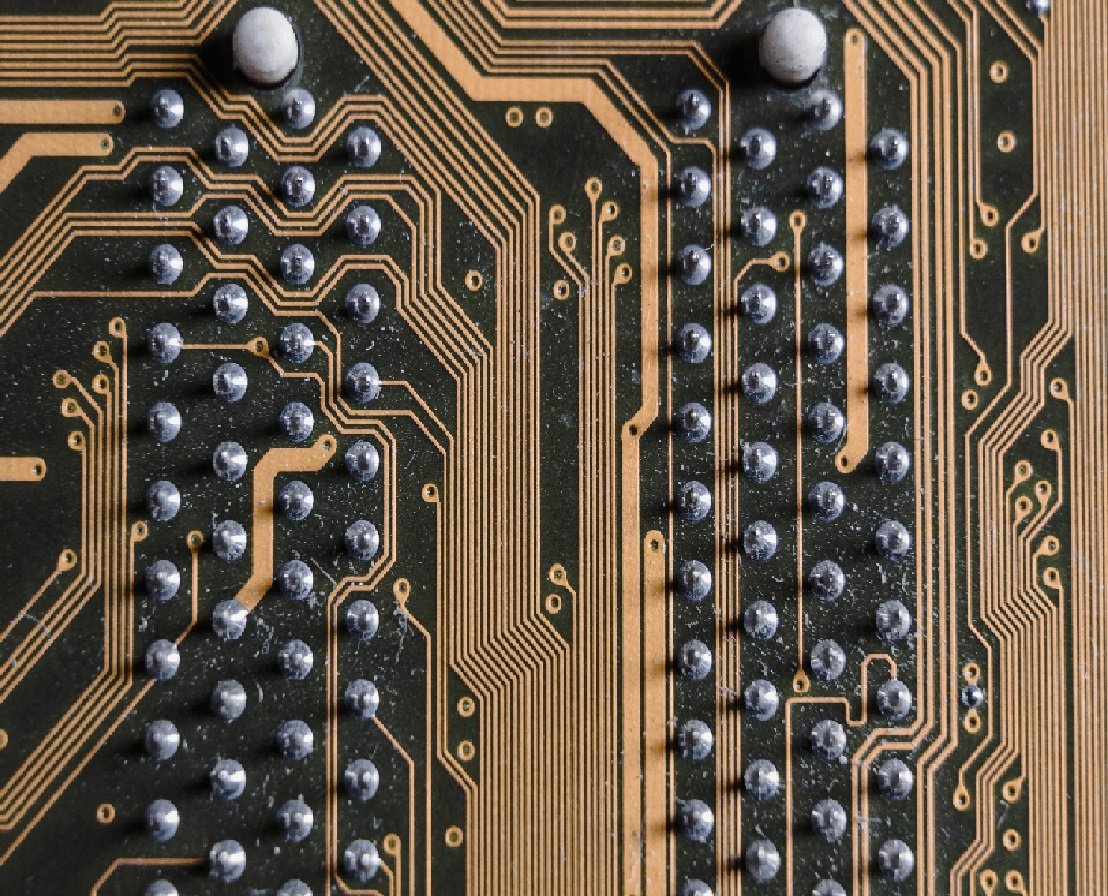
Introduction: In recent years, the world of DIY home electronics has undergone a remarkable transformation, thanks to the advent of Internet of Things (IoT) devices. With the increasing popularity of IoT, homeowners are embracing the opportunity to customize and enhance their living spaces in ways never thought possible before. In this blog post, we will explore the exciting realm of DIY home electronics in IoT devices, providing beginners with a comprehensive guide to get started. 1. Understanding IoT Devices: To begin our journey into DIY home electronics, it's essential to understand what IoT devices are. IoT refers to a network of physical objects embedded with sensors, software, and other technologies that enable them to connect and exchange data with other devices and systems. In the context of home electronics, IoT devices include smart thermostats, security cameras, door locks, lighting systems, and more. 2. Benefits of DIY Home Electronics in IoT Devices: The appeal of DIY home electronics lies in the freedom to create personalized smart solutions that fit individual needs and preferences. By getting involved in the process, homeowners can enjoy the following benefits: - Cost savings: DIY projects can often be cheaper than purchasing pre-built smart devices. - Customization: Tailor your IoT devices to suit specific functions, designs, or automation tasks. - Learning opportunities: Gain valuable knowledge and skills in electronics, programming, and automation. 3. Getting Started with DIY Home Electronics: a. Research and Planning: Begin your journey by researching various IoT devices and understanding their potential applications in your home. Consider your needs, budget, and skill level to determine which projects are best suited for you. Plan your projects, sketching out designs and creating a list of required components and tools. b. Basic Electronics Knowledge: To successfully undertake DIY home electronics projects, it's important to have a basic understanding of electronics. Familiarize yourself with concepts such as voltage, current, resistors, and capacitors. YouTube tutorials, online courses, and forums can be invaluable resources for learning these basics. c. Building Blocks: Start with simpler projects to build your confidence and expertise. For instance, you could try building a home automation system with a Raspberry Pi or Arduino board. These versatile platforms can be programmed to control various IoT devices, making them ideal for beginners. d. Programming and Coding: Learning programming languages like Python or C++ will enable you to unleash the full potential of your DIY home electronics projects. These languages will allow you to write code to control and automate your IoT devices. Online tutorials and coding platforms can provide a head start in learning these languages. e. Safety First: While working with electronics, safety should always be a top priority. Ensure you follow proper precautions such as using insulated tools, disconnecting power when necessary, and avoiding exposed wires. Consult relevant user guides and tutorials for specific safety instructions. 4. Expanding Your DIY Home Electronics Skills: Once you have gained confidence and familiarity with DIY home electronics, the possibilities are endless. You can expand your skills by exploring more complex projects such as building a smart home monitoring system, creating a voice-controlled device, or even developing your own IoT device from scratch. Conclusion: The rise of DIY home electronics in IoT devices has opened up a world of endless possibilities for homeowners to customize and automate their living spaces. With a bit of research, planning, and learning, beginners can embark on exciting DIY projects that enhance their homes while gaining valuable skills in electronics and programming. So grab your tools and embark on this journey to turn your home into a truly smart and connected haven! For a closer look, don't forget to read http://www.svop.org Seeking more information? The following has you covered. http://www.mimidate.com


