DIY Home FPGA Electronics: Unleash Your Creativity and Learn the Basics of FPGA Design
Category : |
Sub Category : Posted on 2023-10-30 21:24:53
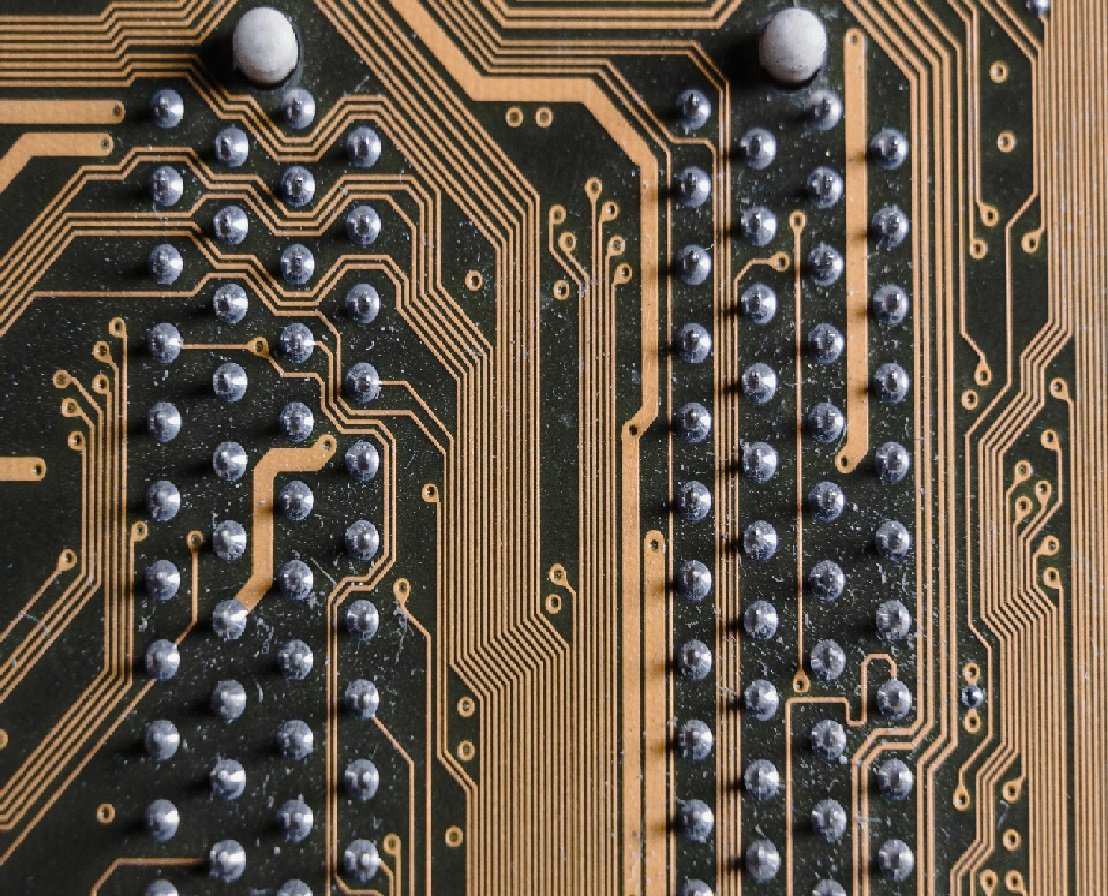
Introduction: In recent years, the field of electronics has seen a surge in interest, particularly in the area of FPGA (Field-Programmable Gate Array) design. FPGA technology has revolutionized various industries, from telecommunications to automotive, by providing a platform that allows individuals to create highly customized digital circuits. With the right tools and guidance, even beginners can embark on exciting DIY projects involving FPGA electronics right from the comfort of their own home. In this article, we will explore the world of DIY home FPGA electronics and discuss how you can get started on your own FPGA journey. What is FPGA? A Field-Programmable Gate Array (FPGA) is an integrated circuit that allows users to implement digital logic circuits by programming the hardware configuration. Unlike traditional program execution, an FPGA's functionality is determined by physically programming its internal components. This feature makes FPGAs highly adaptable and flexible, as they can be reprogrammed to perform various tasks, making them a popular choice for prototyping and low-volume production. Why DIY Home FPGA Electronics? Creating FPGA-based electronics at home may seem like a daunting task, but it offers several advantages: 1. Cost-Effective: FPGAs provide an affordable way to experiment and learn the process of designing digital circuits. Unlike developing custom ASICs (Application-Specific Integrated Circuits), which require significant financial investments, FPGAs offer a more budget-friendly alternative. 2. Customizability: With FPGAs, you have the power to design circuits tailored to your specific needs. Whether you want to control home automation systems, create custom audio/video processing solutions, or build your own mini-computer, FPGAs provide the flexibility to turn your ideas into reality. 3. Learning Experience: Engaging in DIY FPGA projects gives you the opportunity to gain hands-on experience with digital logic design, programmable hardware, and circuit optimization. By exploring these concepts, you will build a strong foundation in FPGA design and expand your knowledge of electronics. Getting Started with DIY Home FPGA Electronics: Now that we understand the potential and benefits of DIY home FPGA electronics, let's discuss the steps to get started: 1. Acquire the Necessary Tools: To begin your FPGA journey, you will need a development board or FPGA kit. Several companies offer affordable FPGA development boards intended for hobbyists and beginners. Research and choose a board that suits your project requirements and budget. 2. Learn Digital Logic Design: It's essential to grasp the basics of digital logic design before diving into FPGA development. Familiarize yourself with concepts such as Boolean logic, truth tables, logic gates, and sequential and combinational circuits. Online resources, tutorials, and textbooks can provide valuable guidance in this area. 3. Programming Languages and Tools: FPGAs are programmed using specialized Hardware Description Languages (HDL) such as VHDL or Verilog. These languages allow you to describe the behavior and connections of your circuits. Choose your preferred HDL and ensure you have the necessary software tools installed, such as Xilinx Vivado or Intel Quartus Prime. 4. Experiment and Explore: Start small by implementing simple designs and gradually work your way up to more complex projects. Experiment with LED blinking, creating basic arithmetic circuits, or building a memory module. This iterative process will help you gain confidence and a deeper understanding of FPGA design. 5. Join Online Communities: Engage with online forums, FPGA user groups, and social media communities to connect with other FPGA enthusiasts. These platforms provide excellent opportunities to ask questions, share ideas, and learn from experienced FPGA designers. Conclusion: DIY home FPGA electronics offer a great way to hone your digital design skills and unlock your creativity. With readily available development boards, online resources, and a vibrant community of FPGA enthusiasts, anyone can embark on an FPGA journey from the comfort of their own home. Whether you're a hobbyist, student, or professional, the world of FPGA design is ripe with opportunities to explore and create innovative digital circuits. So, why wait? Dive into the exciting world of DIY home FPGA electronics and unlock a world of endless possibilities! Looking for expert opinions? Find them in http://www.svop.org To see the full details, click on: http://www.mimidate.com


