The Importance of Signal Integrity in Drone Technology
Category : |
Sub Category : Posted on 2023-10-30 21:24:53
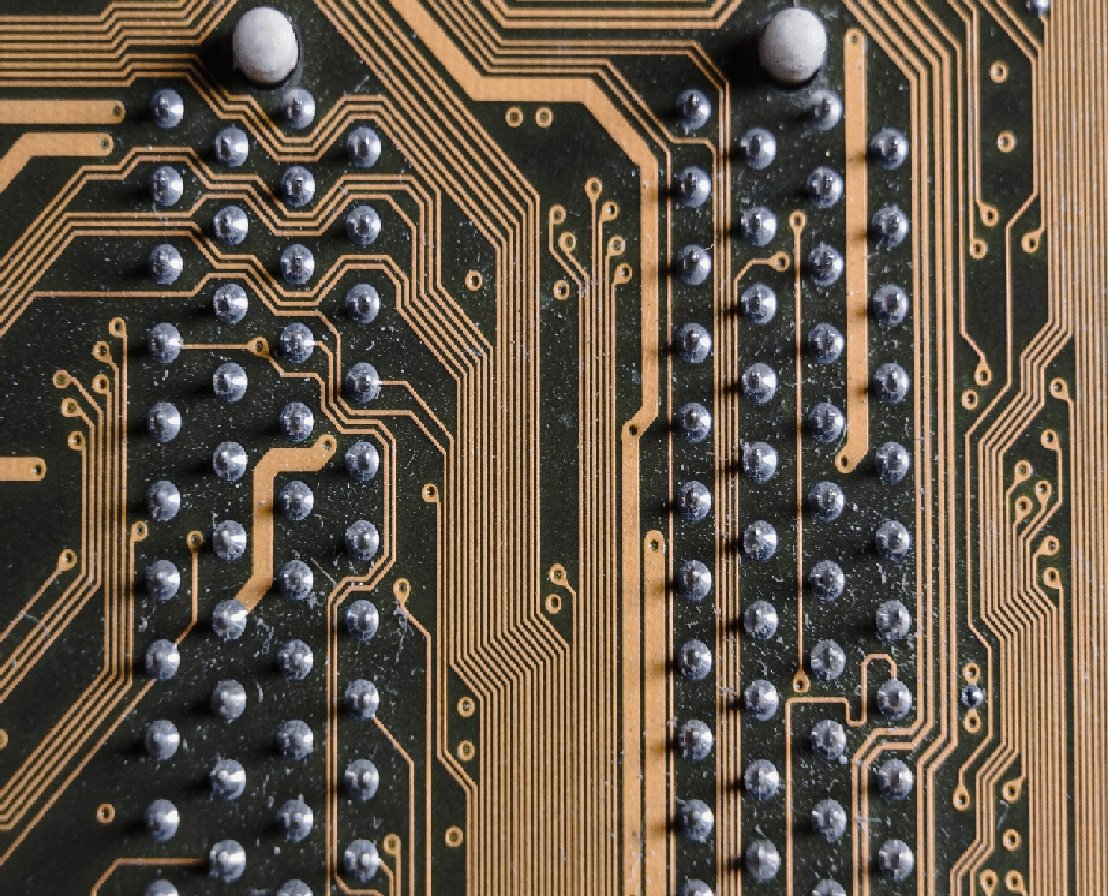
Introduction: In recent years, drones have become increasingly popular for various applications, from aerial photography and videography to package delivery and inspection in industries such as agriculture and construction. As the capabilities and functionalities of drones continue to advance, there is one critical aspect of their technology that should not be overlooked - signal integrity. In this blog post, we will explore why signal integrity is vital in drone technology and its impact on performance and reliability. What is Signal Integrity? Signal integrity refers to the quality and reliability of electrical signals as they travel through electronic components and circuitry. In the context of drones, signal integrity plays a crucial role in ensuring stable communication between the drone's various components, including the flight controller, GPS receiver, sensors, and wireless communication modules. Importance of Signal Integrity in Drones: 1. Flight Stability: Signal integrity is paramount to maintain stable flight characteristics in a drone. Any disruption or interference in the communication between the flight controller and other components can result in erratic movements, loss of control, or even crashes. A robust signal integrity ensures precise control over the drone's flight, enhancing safety and stability. 2. GPS Accuracy: Drones heavily rely on GPS to navigate and maintain their position. Signal integrity issues can lead to inaccurate positioning data and, consequently, affect the drone's ability to hold a stable hover or follow a predefined flight path. By maintaining strong signal integrity, drones can achieve accurate GPS data, resulting in better flight performance, even in challenging environments. 3. Sensor Integration: Drones incorporate various sensors, such as accelerometers, gyroscopes, and barometers, to gather real-time feedback about their environment. Signal integrity is crucial in ensuring seamless data transmission between these sensors and the flight controller. Accurate and timely data acquisition allows drones to quickly respond and adapt to changes in their surroundings, making them more efficient and reliable. 4. Wireless Connectivity: Many modern drones feature wireless connectivity options for tasks like live video streaming or remote controlling. A strong signal integrity ensures uninterrupted and stable communication between the drone and the ground control station, enabling real-time feedback and precise control. This enhances the overall user experience and facilitates applications like aerial photography or surveillance. Improving Signal Integrity in Drones: To ensure optimal signal integrity in drones, manufacturers and developers employ several strategies: 1. Isolation and Shielding: Proper isolation and shielding techniques are implemented to minimize electromagnetic interference (EMI) and cross-talk between different components. This helps maintain signal integrity and prevents signal degradation. 2. Grounding and Power Distribution: Proper grounding and power distribution systems are crucial for minimizing disturbances caused by ground loops and voltage fluctuations. Well-designed power distribution systems and isolated ground planes help reduce noise and ensure a stable power supply. 3. Layout and Routing Considerations: Thoughtful PCB layout and signal routing techniques can minimize signal reflections, impedance mismatch, and parasitic capacitance, which can negatively impact signal integrity. Careful separation of analog and digital signals and controlled impedance routing are essential in high-speed communication interfaces. 4. Testing and Validation: Rigorous testing and validation procedures help identify and rectify signal integrity issues during the design and manufacturing stages. High-frequency signal analysis, eye diagram measurements, and signal integrity simulation tools are employed to ensure reliable performance. Conclusion: Signal integrity is a vital aspect of drone technology that directly impacts their performance, stability, and reliability. Ensuring strong signal integrity through proper design considerations, testing, and implementation techniques is crucial for optimal drone operation. As the drone industry continues to evolve and push the boundaries of technological advancements, maintaining robust signal integrity will remain key in unlocking their full potential. Want a more profound insight? Consult http://www.jetiify.com You can also Have a visit at http://www.s6s.org


