The Intersection of Electronics Design and Embedded Systems: Unveiling the World of Analog and Digital Electronics
Category : |
Sub Category : Posted on 2023-10-30 21:24:53
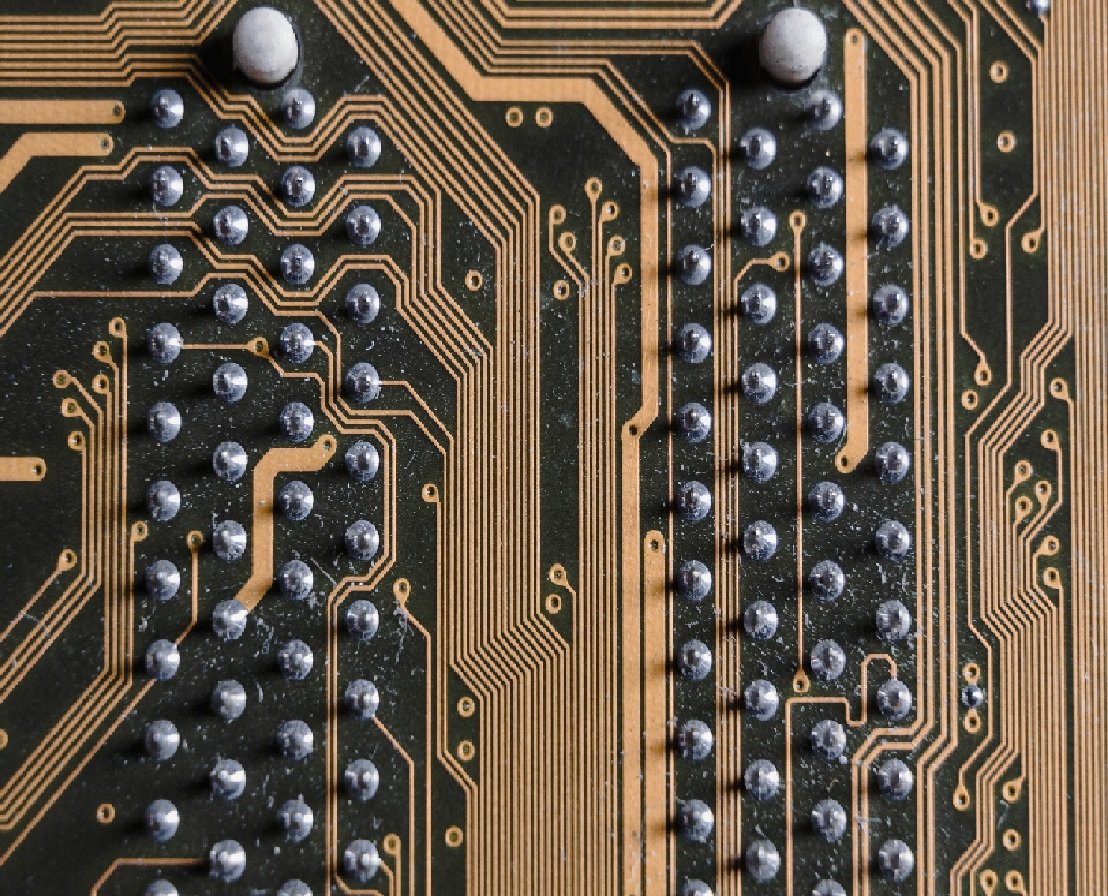
Introduction: In today's digital era, electronics design and embedded systems play a vital role in shaping the technology we rely on daily. From smartphones to medical devices and automation systems, analog and digital electronics form the backbone of modern innovations. In this blog post, we will delve into the fascinating world of electronics design and explore the various facets of analog and digital electronics in embedded systems. Understanding Analog Electronics: Analog electronics deals with continuous signals that vary in amplitude and time, providing a representation of physical quantities such as sound, temperature, or light intensity. Key components in analog electronic circuits include resistors, capacitors, and inductors. These elements manipulate the level of voltage or current in a smooth, uninterrupted manner, making them essential for tasks such as audio amplification and sensor interfacing. One of the essential traits of analog electronics is its ability to process and transmit information in its natural form, mimicking real-world phenomena. From amplifiers to filters, analog circuits optimize signals for various applications, ensuring accurate measurements and efficient data acquisition. Digital Electronics and Embedded Systems: Unlike analog electronics, digital electronics operate based on discrete values or binary bits (0s and 1s). This digital electrical representation enables higher levels of accuracy, precision, and scalability. Integrated circuits (ICs), such as microcontrollers and microprocessors, are the heart of digital electronics, serving as the brains behind embedded systems. Embedded systems are specialized computer systems designed to perform specific tasks within a larger system or product. From household appliances to automotive systems, embedded systems find applications in diverse domains. These systems use digital electronics to control and manage operations, ensuring accurate and reliable performance. The Marriage of Analog and Digital Electronics in Embedded Systems: In advanced embedded systems, analog and digital electronics often work in tandem, complementing each other to achieve the desired functionality. For instance, a digital sensor may convert an analog signal from the environment into a digital representation for processing by a microcontroller. Analog-to-digital converters (ADCs) bridge the gap between analog and digital domains, facilitating seamless communication between the two. The combined use of analog and digital electronics allows for the integration of capabilities such as data acquisition, signal conditioning, control algorithms, and communication interfaces. Through this integration, embedded systems can collect and process sensor data accurately while driving precise actuators and communicating with other systems. Challenges in Electronics Design and Embedded Systems: Designing and implementing electronics systems, particularly those involving embedded systems, present unique challenges. The coexistence of analog and digital components requires careful consideration of noise, signal integrity, power consumption, and compatibility issues. Ensuring electromagnetic compatibility (EMC) and minimizing interferences is critical to prevent system malfunctions or disturbances. Moreover, choosing the right components, selecting suitable signal conditioning techniques, and optimizing circuit layouts are all essential aspects of electronics design. The skillful integration of analog and digital electronics demands expertise in embedded system software, electronics hardware, and system-level understanding. Conclusion: In the ever-evolving landscape of technology, analog and digital electronics are indispensable in electronics design and embedded systems. The marriage of these two domains enables the creation of innovative and efficient solutions across various industries. As we continue to push the boundaries of what is possible, the seamless integration of analog and digital electronics will undoubtedly drive the next wave of technological advancements.


