Ensuring Data Security in Electronics Design and Embedded Systems
Category : |
Sub Category : Posted on 2023-10-30 21:24:53
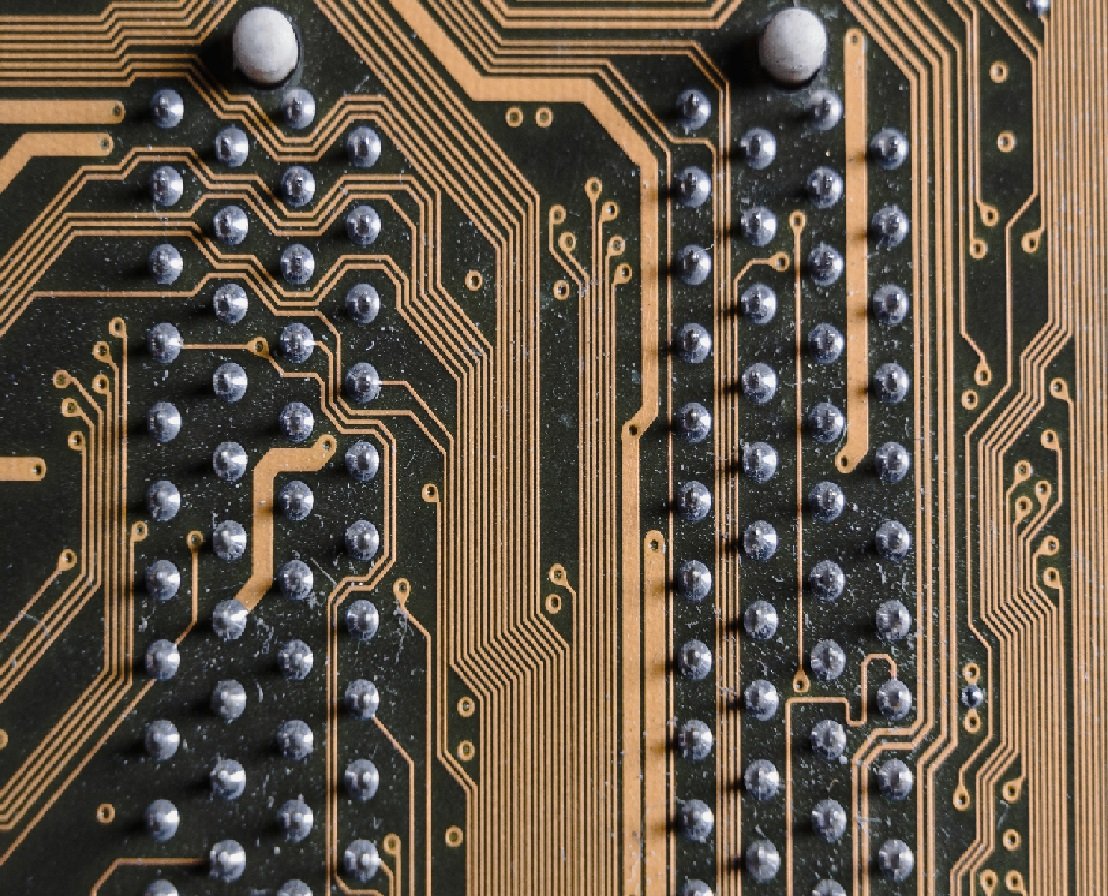
Introduction: As technology continues to advance, electronic devices and embedded systems are becoming more prevalent in our daily lives. From smartphones to smart homes, these devices collect and process vast amounts of data, raising concerns about data security. In this blog post, we will explore the importance of data security in electronics design and embedded systems and discuss some best practices to ensure the protection of sensitive information. Understanding Data Security in Electronics Design: Electronics design encompasses the process of creating hardware and software solutions for various applications. When dealing with sensitive data, it's crucial to consider data security from the initial design phase. This involves identifying potential security threats and implementing appropriate security measures to protect user information. Importance of Data Security in Embedded Systems: Embedded systems refer to specialized computer systems designed for specific tasks. They are found in diverse applications such as medical devices, automotive systems, and industrial control systems. These systems often handle critical data and must be designed with robust security measures. Failure to ensure data security in embedded systems can result in severe consequences, including privacy breaches, financial loss, and compromised safety. Best Practices for Data Security in Electronics Design and Embedded Systems: 1. Encryption: Implement strong encryption algorithms to safeguard sensitive data, both at rest and during transmission. Encryption ensures that even if hackers gain unauthorized access, they cannot read or make use of the encrypted data. 2. Secure Boot: Incorporate secure boot mechanisms to verify the integrity and authenticity of the embedded system's software at startup. This prevents malicious code or unauthorized software from compromising the system's security. 3. Access Control: Implement access control mechanisms to restrict unauthorized access to sensitive data. Role-based access control and strong authentication mechanisms help ensure that only authorized individuals can access and modify critical information. 4. Regular Updates and Patching: Stay up to date with the latest security patches and firmware updates for embedded systems. Regular updates help address vulnerabilities and strengthen the system's resistance to potential attacks. 5. Secure Communication: Implement secure communication protocols, such as Transport Layer Security (TLS), to safeguard data transmitted between embedded systems and external networks. Secure communication protocols prevent eavesdropping and ensure data integrity. 6. Physical Security: Consider physical security measures to protect the hardware components of the embedded system. These measures can include tamper-resistant enclosures, secure storage, and protection against physical attacks. Conclusion: Data security is of paramount importance in electronics design and embedded systems. Designing and implementing robust security measures from the outset are essential to protect sensitive information from potential threats. By incorporating encryption, secure boot mechanisms, access control, regular updates, secure communication, and physical security, developers can ensure the confidentiality, integrity, and availability of data in the ever-evolving landscape of electronics design and embedded systems. By prioritizing data security, we can build a more trustworthy and resilient digital future. Seeking expert advice? Find it in http://www.privacyless.com


