Taking Your Drone to New Heights: Exploring Electronics Design and Embedded Systems for Drone Modifications
Category : |
Sub Category : Posted on 2023-10-30 21:24:53
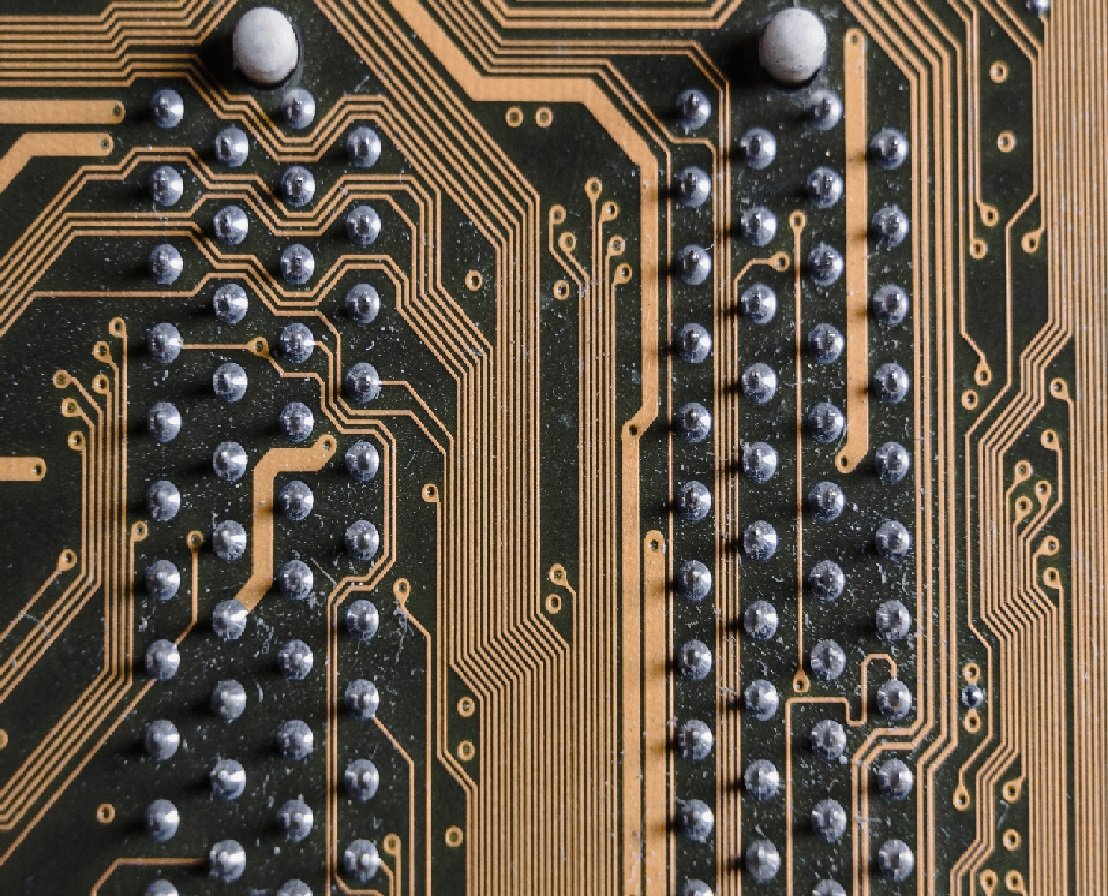
Introduction: Drones have become an increasingly popular gadget for enthusiasts and professionals alike. Whether you use them for aerial photography, video recording, or just for the thrill of flying, drones have revolutionized the way we see the world. While off-the-shelf drones offer impressive features, you can take your drone to new heights by exploring the world of electronics design and embedded systems for drone modifications. In this article, we will delve into the exciting possibilities that await those who are eager to customize and enhance their drones. 1. Understanding Electronics Design for Drones: Electronic design forms the foundation for any drone modification project. This involves studying the principles of circuit design, power management, and signal processing. By gaining a solid understanding of these concepts, you can create custom features like advanced camera controls, autonomous flight modes, or even add new sensors to your drone. 2. Arduino and Raspberry Pi for Drone Modifications: Arduino and Raspberry Pi are two popular platforms used to create embedded systems for drone modifications. Arduino, with its vast range of sensors and shields, allows you to create custom functionalities for your drone. From GPS modules to environmental sensors, the possibilities are endless. Similarly, Raspberry Pi offers robust computing power, enabling tasks such as live video streaming, data processing, and computer vision on your drone. 3. Advanced Flight Controllers: Upgrading your flight controller can greatly enhance the performance of your drone. The market offers a wide variety of advanced flight controllers that come with improved stability, faster response times, and additional features. These flight controllers leverage advanced algorithms and sensor fusion techniques to provide a smoother flight experience. 4. Custom Payloads and Sensors: Customizing the payload of your drone can open up a whole new world of possibilities. For example, adding thermal imaging cameras can enable search and rescue applications, while LiDAR sensors can enable 3D mapping and obstacle detection. The integration of these custom sensors can be achieved through proper electronics design and embedded systems integration. 5. Programming Your Drone: Programming your drone allows you to unlock its full potential. By learning programming languages like C++, Python, or even using platforms like Scratch, you can create custom flight modes, automate tasks, or even develop your own autonomous navigation systems. Additionally, drone software development kits (SDKs) provide APIs and libraries that make it easier to control the drone using your own software applications. 6. Safety and Legal Considerations: When modifying your drone, it is essential to consider safety and legal aspects. Ensure you understand the regulations and restrictions surrounding drone modifications in your area. Additionally, always follow proper safety precautions, such as performing thorough pre-flight checks, using reliable power management systems, and incorporating fail-safe mechanisms. Conclusion: As drones become increasingly popular, the potential for customization and enhancement grows exponentially. By exploring electronics design and embedded systems, you can take your drone to new heights, tailoring it to suit your specific needs and interests. From adding advanced sensors to developing autonomous flight capabilities, the world of drone modifications is an exciting playground for technological enthusiasts. So, strap on your engineer's hat and embark on a journey that will transform your drone into a personalized flying machine of innovation and creativity. Happy flying! For valuable insights, consult http://www.spydroner.com


