The Harmony of Electronics Design and Embedded Systems in Electric Guitars
Category : |
Sub Category : Posted on 2023-10-30 21:24:53
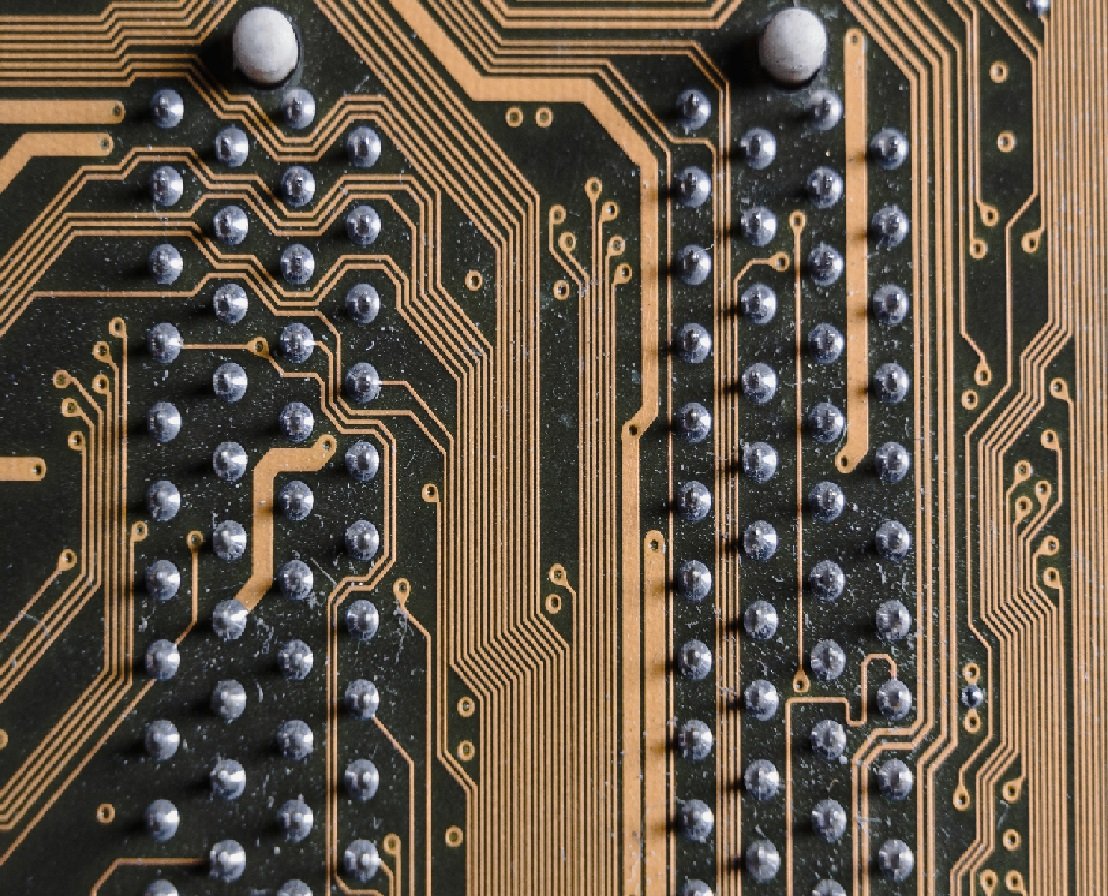
Introduction: Electric guitars have revolutionized the music industry, captivating audiences with their unique tones and powerful sound. Behind the scenes, electronic design and embedded systems play a crucial role in shaping the sound of these iconic instruments. In this blog post, we will explore how the marriage of electronics design and embedded systems contribute to the dynamic versatility and innovation found in electric guitars. 1. Pickup Technology and Amplification: At the heart of every electric guitar, you'll find pickups - the electronic components that convert string vibrations into electrical signals. These pickups utilize magnetic or piezo-electric technology to capture the nuances of string vibrations, contributing to the distinctive tone of each guitar. The signal then travels through onboard preamp circuits, which shape and enhance the sound before being amplified by the guitar amplifier. 2. Digital Signal Processing (DSP): Embedded systems and digital signal processing (DSP) have revolutionized the electric guitar industry, offering musicians endless possibilities in sound shaping and customization. With the advent of digital effects pedals and amp modeling technologies, guitarists can recreate the sounds of vintage amplifiers, sculpt their tone with equalization, add modulation and time-based effects, and much more. 3. Firmware and Software Integration: Modern electric guitars often come equipped with digital interfaces and connectivity options, enabling seamless integration with computers and mobile devices. Firmware and software updates not only improve functionality but also expand the potential of the instrument. Manufacturers can introduce new features, sound libraries, and even artificial intelligence algorithms, further pushing the boundaries of what an electric guitar can do. 4. MIDI and Synthesis: Embedded systems in electric guitars have paved the way for the integration of MIDI (Musical Instrument Digital Interface) technology. This allows MIDI-compatible guitars to control external devices like synthesizers, samplers, and recording software, opening up new possibilities for musicians looking to explore different sonic realms. 5. Wireless Connectivity: With advancements in wireless technology, electric guitars can now be connected wirelessly to amplifiers, effects units, and recording devices. This eliminates the limitations of traditional cable connections, offering musicians the freedom to move around the stage without being tethered to their gear. Wireless connectivity has become a game-changer for live performances, making stage setups more streamlined and reducing cable clutter. Conclusion: The relationship between electronics design, embedded systems, and electric guitars is an ever-evolving fusion of technology and music. From the pickup technology that captures the unique vibrations of strings to the sophisticated digital signal processing and wireless connectivity of modern instruments, electronics have transformed the world of electric guitars. The journey of innovation continues, as engineers and musicians push the boundaries of what can be achieved, giving rise to new tones and elevating the playing experience for guitarists worldwide. Looking for expert opinions? Find them in http://www.fguitars.com


