The Intersection of Electronics Design and Embedded Systems in Electric Vehicles
Category : |
Sub Category : Posted on 2023-10-30 21:24:53
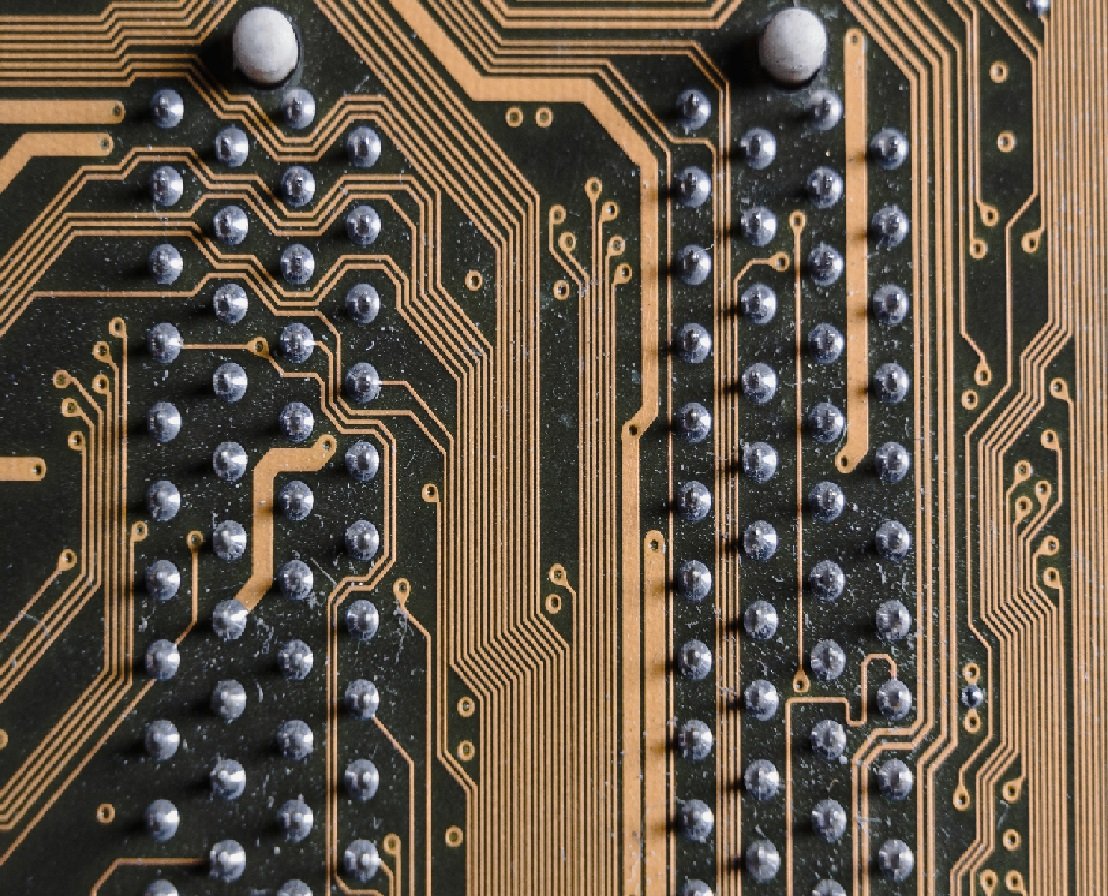
Introduction: As the world steadily moves towards a greener and more sustainable future, electric vehicles (EVs) are gaining popularity and becoming a crucial part of the transportation landscape. Behind the sleek exteriors and revolutionary advancements, a crucial aspect of electric vehicles lies in the intricate electronics design and embedded systems that power them. In this blog post, we will explore the fascinating relationship between electronics design and embedded systems in electric vehicles, highlighting their impact on efficiency, performance, and overall driving experience. 1. Power Electronics: At the heart of every electric vehicle is an intricate network of power electronics. These components, including inverters and converters, play a vital role in managing the flow of power between the battery and the electric motor. Through efficient electronics design, engineers maximize power conversion efficiency, minimizing energy loss and extending the vehicle's range. Additionally, advanced embedded systems monitor and control the performance of these power electronics, ensuring optimal operation and reliability. 2. Battery Management Systems (BMS): Electric vehicle batteries are the backbone of their performance and range. Embedded systems within the BMS monitor and manage battery health, temperature, and charging cycles, ensuring the optimal functioning and longevity of the battery pack. Through real-time data analysis and active thermal management, electronics design and embedded systems work hand-in-hand to maximize the efficiency and lifetime of the battery system. Improvements in BMS technology have contributed significantly to enhancing the overall performance and safety of electric vehicles. 3. Motor Control: Efficient motor control is critical for enhancing the driving experience of electric vehicles, providing smoother acceleration, improved energy efficiency, and regenerative braking capabilities. Sophisticated embedded systems, in combination with electronics design, enable precise control and coordination of the electric motor's speed, torque, and regenerative braking capabilities. This not only optimizes performance but also extends the vehicle's range by recovering and storing energy during deceleration and braking. 4. Communication Systems: Electric vehicles are becoming increasingly connected with the advent of smart features such as diagnostics, remote control, and over-the-air updates. Electronics design and embedded systems facilitate seamless communication between various vehicle components and external devices. These integrated communication systems ensure efficient data exchange between the electric vehicle and charging infrastructure, enabling intelligent charging processes. Moreover, they enhance the driving experience by enabling smartphone integration, navigation support, and accessibility to vehicle diagnostics. Conclusion: The evolution of electric vehicles heavily relies on the continuous advancements in electronics design and embedded systems. By optimizing power electronics, improving battery management systems, refining motor controls, and integrating communication systems, engineers are constantly striving to enhance the efficiency, performance, and overall driving experience of electric vehicles. As the world embraces the sustainable future of transportation, the role of electronics design and embedded systems in electric vehicles will remain pivotal, driving innovation and propelling the development of greener, smarter, and more efficient electric vehicles. to Get more information at http://www.nubland.com


