Electronics Design and Embedded Systems: From Concept to Prototyping
Category : |
Sub Category : Posted on 2023-10-30 21:24:53
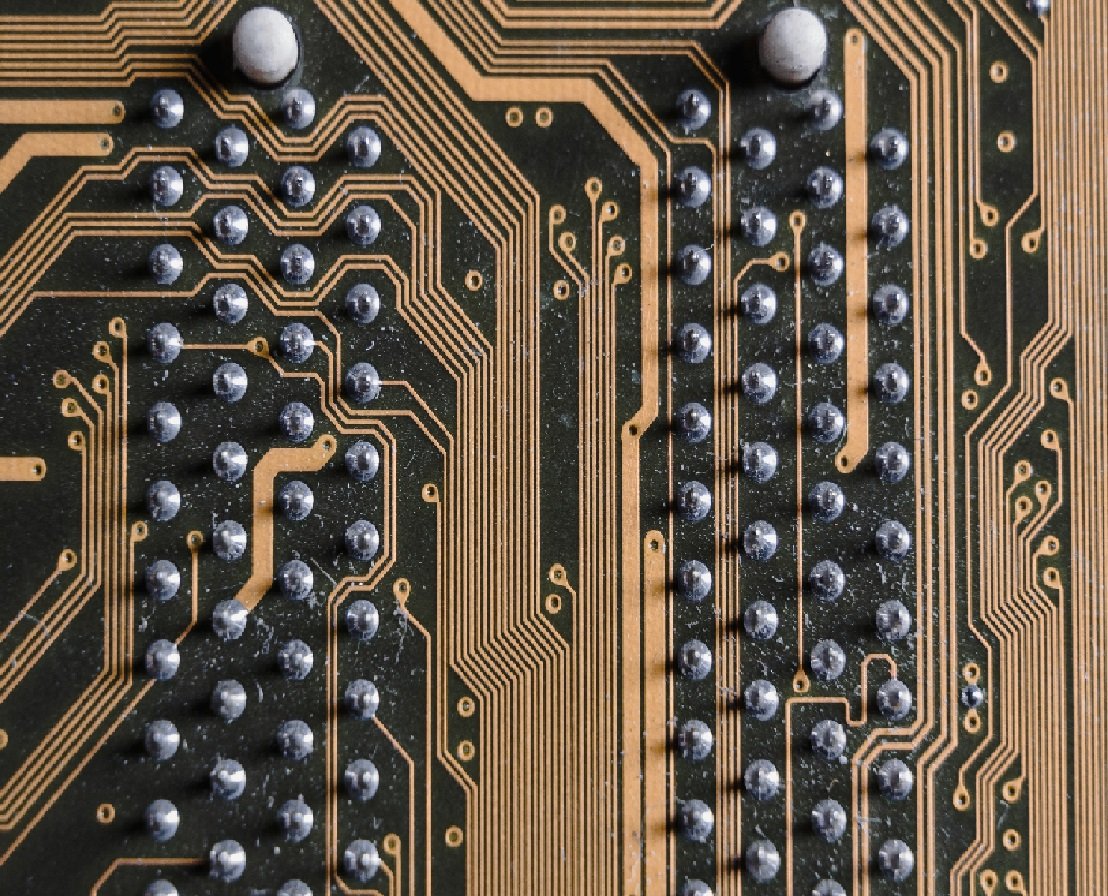
Introduction: With the rapid advancement of technology, electronic devices have become an integral part of our lives. From smartphones and wearable devices to smart homes and self-driving cars, electronics are everywhere. But have you ever wondered how these devices are designed and developed? In this blog post, we will delve into the world of electronics design and embedded systems prototyping. Understanding Electronics Design: Electronics design is the process of creating a new electronic product from concept to production. It involves designing the circuitry, selecting components, and creating a schematic diagram. The objective is to ensure that the device functions as intended while meeting the desired specifications and performance requirements. To accomplish this, electrical engineers utilize various software tools, such as Computer-Aided Design (CAD) software, to design the layout of the circuit board. They also perform simulations to test and validate the design, ensuring its functionality and reliability. Embedded Systems: Taking Electronics to the Next Level: Embedded systems are at the heart of electronic devices, providing the necessary intelligence and control for them to function. These systems combine hardware and software to perform specific tasks, such as controlling a robot, collecting data, or monitoring environmental conditions. Components of a typical embedded system include microcontrollers or microprocessors, memory, input/output devices, and various sensors. The software that runs on these systems is coded using programming languages such as C or C++, and sometimes specialized languages like VHDL or MATLAB. Prototyping: Turning Ideas into Reality: Prototyping is a crucial stage in the development of any electronic device. It involves building a working model or a proof-of-concept that demonstrates the functionality and feasibility of the design. The prototype provides an opportunity to test and validate the design, identify any potential issues, and make improvements before moving on to mass production. During the prototyping phase, engineers conduct extensive testing, troubleshooting, and refinement to ensure that the device meets all requirements. This includes testing for functionality, durability, power consumption, and compatibility with other systems. Tools for Electronics Prototyping: Several tools and technologies are used for electronics prototyping. Breadboards, which allow for easy component placement and connections, are commonly used during the initial stages. As the design progresses, engineers move on to more advanced equipment such as printed circuit boards (PCBs) and soldering irons. With the rise of rapid prototyping technologies such as 3D printing, it is now possible to create custom enclosures and housings for electronic devices. This allows for a more comprehensive evaluation of the device's physical design, usability, and ergonomics. Conclusion: Electronics design and embedded systems prototyping are crucial steps in the development of any electronic product. They involve a combination of technical knowledge, creativity, and problem-solving skills. By employing advanced design software, simulation tools, and prototyping techniques, engineers can turn ideas into reality and ensure that electronic devices meet the highest standards of functionality, performance, and reliability. So the next time you use your smartphone, turn on your smart home devices, or rely on any electronic gadget, remember the intricate process and hard work that went into its design and prototyping.


