Understanding Electronics Design and Embedded Systems: Exploring the World of FPGA Electronics
Category : |
Sub Category : Posted on 2023-10-30 21:24:53
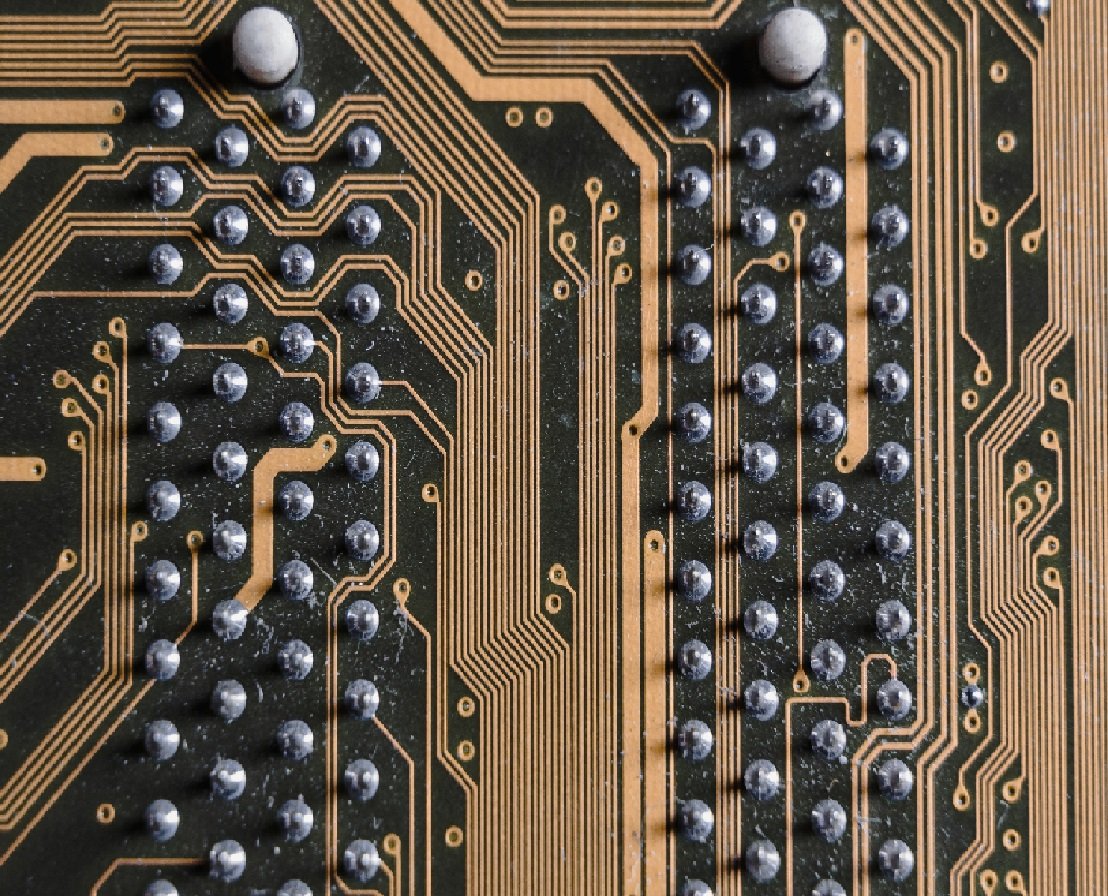
Introduction: In today's rapidly evolving technological landscape, electronics design and embedded systems play a crucial role in powering our everyday devices. FPGA (Field-Programmable Gate Array) electronics, in particular, have gained significant popularity due to their flexibility and versatility. In this blog post, we will delve into the fascinating world of electronics design and embedded systems, specifically focusing on the application of FPGA technology. 1. What is Electronics Design? Electronics design involves the process of creating circuits and systems that power various electronic devices. It encompasses a wide range of domains such as digital and analog circuit design, signal processing, power electronics, and more. The goal of electronics design is to create efficient and reliable circuits that meet specific requirements and constraints. 2. The Role of Embedded Systems: Embedded systems are at the heart of many electronic devices, functioning as a combination of hardware and software. Typically, these systems are designed for a specific purpose and are embedded within the device itself. They control various aspects of device functionality, making it possible for applications like consumer electronics, automotive systems, medical devices, and industrial control systems to operate effectively. 3. Introduction to FPGA: Field-Programmable Gate Arrays (FPGAs) are integrated circuits that can be configured to perform specific tasks. Unlike application-specific integrated circuits (ASICs) that have a fixed design, FPGAs are programmable and offer flexibility to adapt to changing requirements. FPGA boards consist of a matrix of programmable logic cells interconnected through configurable routing channels, enabling the implementation of complex digital systems. 4. Advantages of FPGA Electronics: - Flexibility: The reconfigurable nature of FPGAs enables rapid prototyping and iteration, ensuring quick time-to-market for electronic products. - Performance: FPGA-based systems can offer high performance due to the parallelism and customization offered by hardware implementation. - Cost-Effectiveness: In certain scenarios, FPGAs can provide a cost-effective solution by eliminating the need for custom ASIC development. - Design Iteration: FPGAs allow designers to modify and reprogram their designs, making it easier to fix bugs or implement new functionalities without physically altering the hardware. 5. Applications of FPGA Electronics: FPGA technology has found applications in diverse fields, including but not limited to: - Communications and networking: FPGA-based hardware accelerators can enhance network performance and data processing. - Image and signal processing: FPGAs offer parallel processing capabilities, making them ideal for applications such as real-time video processing, image recognition, and encryption. - Industrial automation: FPGAs enable the implementation of control systems for industrial machinery, robotics, and process automation. - Aerospace and defense: FPGAs are widely used in digital signal processing, radar systems, and secure communication. 6. Tools and Resources for FPGA Design: To explore and develop FPGA electronics, engineers and designers can leverage various tools and resources, including software development environments, simulation tools, and hardware description languages. Popular FPGA development platforms include Xilinx Vivado, Intel Quartus Prime, and Lattice Diamond. Conclusion: Electronics design and embedded systems are integral to the functioning of modern technologies. FPGA electronics provide an adaptable and powerful solution for a wide array of applications. By leveraging the flexibility and performance of FPGAs, designers and engineers can push the boundaries of innovation and bring groundbreaking electronic devices to life. Embracing FPGA technology opens up a world of possibilities, enabling the creation of smarter, faster, and more efficient electronic systems.


