Exploring the Intricate World of Electronics Design and Embedded Systems in Guitar Effects Pedals
Category : |
Sub Category : Posted on 2023-10-30 21:24:53
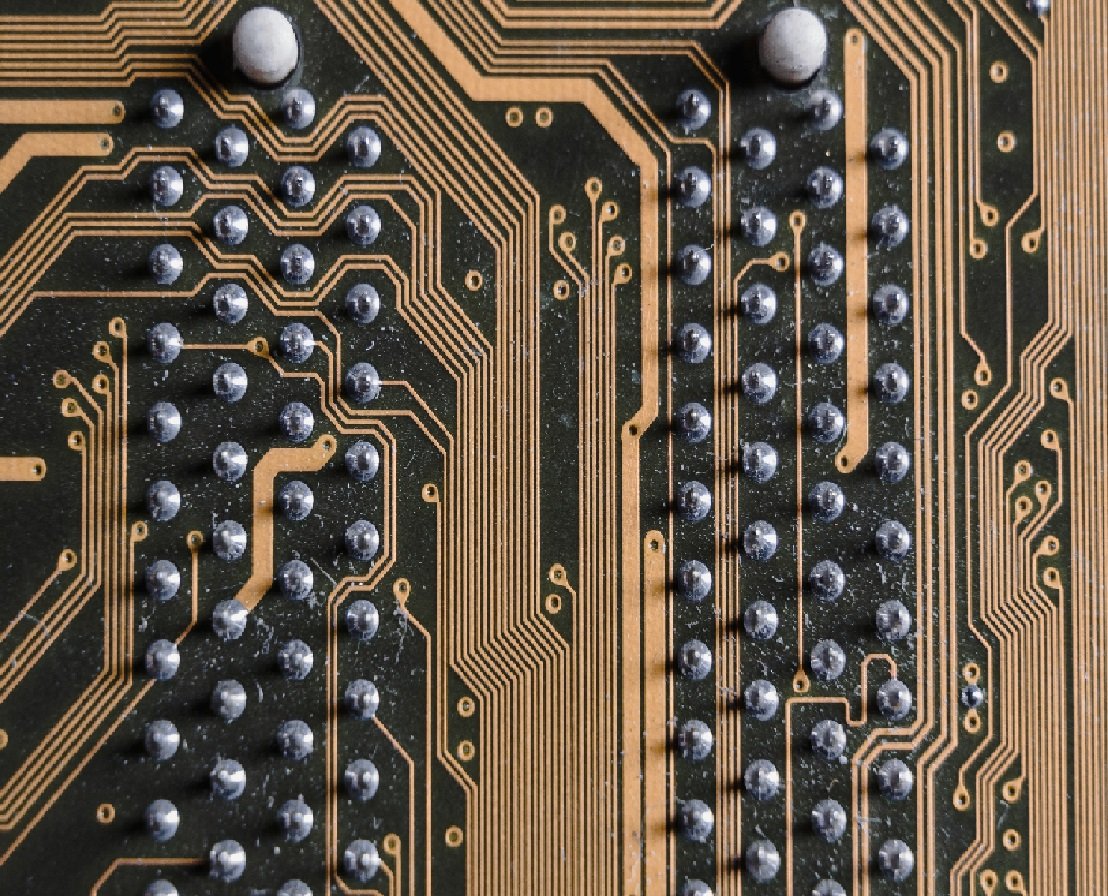
Introduction: Guitar effects pedals have revolutionized the way musicians shape their sound. From distortion and overdrive to reverb and delay, these small devices allow guitarists to elevate their musical expressions. Behind the scenes, the magic of guitar effects pedals lies in their intricate electronics design and the integration of embedded systems. In this article, we will unravel the complexities involved in designing and engineering these beloved devices. Understanding Electronics Design in Guitar Effects Pedals: Electronics design is at the heart of every guitar effects pedal. These devices are comprised of various components, including resistors, capacitors, transistors, and integrated circuits (ICs), all intricately placed on a printed circuit board (PCB). Each component plays a crucial role in shaping the guitar's signal to achieve the desired effect. When designing a guitar effects pedal, engineers must consider factors such as signal routing, gain staging, and power supply requirements. Signal routing entails connecting the audio signal path and control signals within the pedal, often using high-quality shielded cables to reduce noise interference. Gain staging determines the appropriate amplification levels to ensure optimal sound quality. Additionally, power supply considerations involve choosing between battery-powered or DC-powered options, as well as implementing power conditioning and noise filtering to maintain clean and consistent power for the pedal. Embedded Systems Integration in Guitar Effects Pedals: With advances in technology, guitar effects pedals are not limited to analog circuitry anymore. Many modern pedals now incorporate digital signal processing (DSP) algorithms, requiring the integration of embedded systems. These embedded systems are essentially miniature computers that process and manipulate the guitar's signal in real-time to achieve the desired effect. Embedded systems in guitar effects pedals often consist of microcontrollers or digital signal processors (DSPs). These devices process the audio signal using complex algorithms to modulate and manipulate the sound. Engineers program these embedded systems by developing firmware, which instructs the microcontroller or DSP on how to process the audio signal based on the pedal's settings. The Benefits of Electronics Design and Embedded Systems in Guitar Effects Pedals: The combination of electronics design and embedded systems in guitar effects pedals offers several advantages. Firstly, digital signal processing allows for endless possibilities in sound manipulation. Musicians can access a plethora of customizable effects and presets, pushing the boundaries of creativity. Additionally, embedded systems provide greater flexibility by allowing firmware updates, enabling pedal manufacturers to enhance and expand the pedal's capabilities over time. Moreover, electronics design ensures optimal signal integrity by incorporating advanced techniques like noise reduction and impedance matching. This results in cleaner, more accurate sound reproduction and minimal signal degradation. Additionally, engineers can design pedals with intuitive user interfaces, making them easier to use and navigate while performing. Conclusion: The world of guitar effects pedals is a perfect synergy of electronics design and embedded systems. The meticulous crafting of analog and digital circuitry produces the mesmerizing sounds that have captivated musicians for decades. With the continuous advancements in technology, we can only expect even more innovative and groundbreaking guitar effects pedals in the future. So, whether you are a musician or an electronics enthusiast, delve into this fascinating world and explore the endless possibilities of guitar effects pedals. Explore this subject further for a deeper understanding. http://www.fguitars.com


