Designing Electronics and Embedded Systems for Image Processing Applications
Category : |
Sub Category : Posted on 2025-11-03 22:25:23
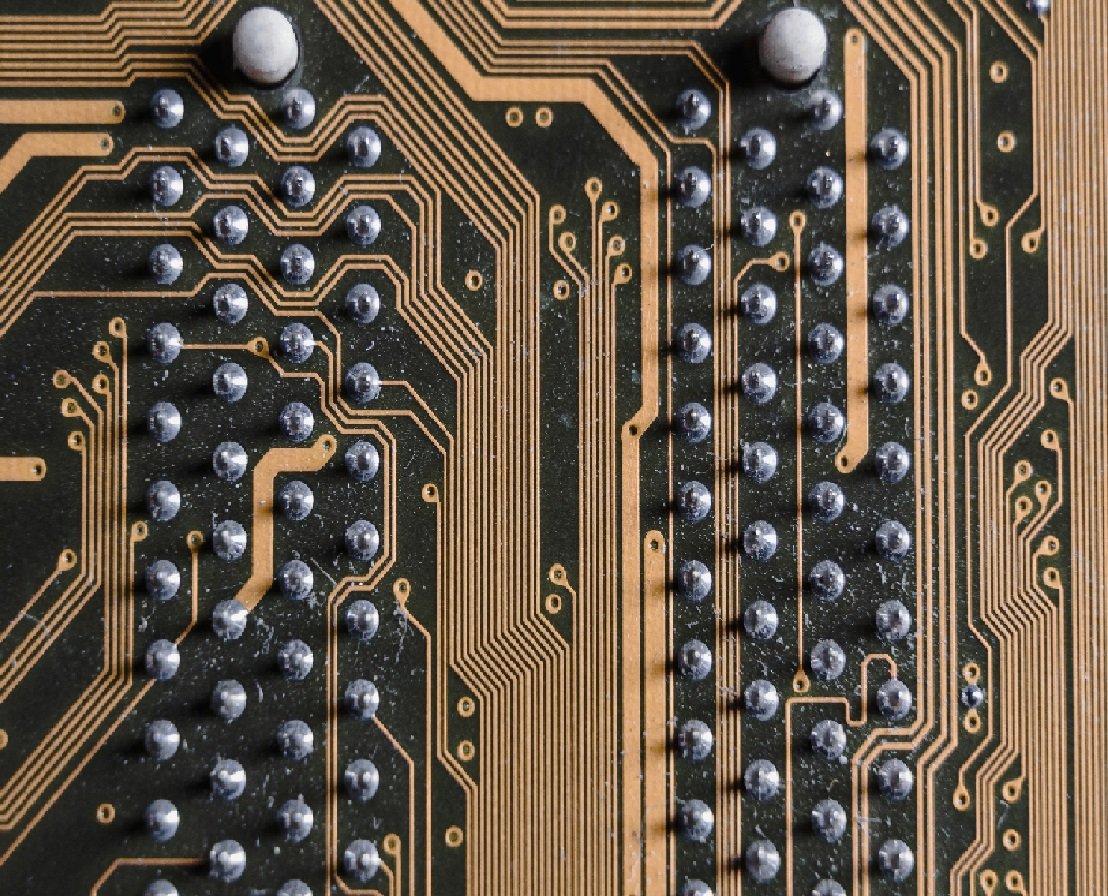
Electronics design and embedded systems play a crucial role in the field of Image Processing. Image processing is the analysis and manipulation of images to extract useful information, enhance image quality, and improve overall visualization. From medical imaging to facial recognition to autonomous driving, image processing technology has wide-ranging applications in various industries. When it comes to designing electronics for image processing applications, several important factors must be considered to ensure optimal performance and efficiency. Here are some key aspects to keep in mind: 1. Processing Power: Image processing tasks can be computationally intensive, requiring significant processing power. Therefore, selecting the right microcontroller or processor with sufficient speed and memory capacity is essential to handle complex image algorithms efficiently. 2. Sensor Integration: The choice of image sensor is critical for capturing high-quality images. Different sensors have varying resolutions, pixel sizes, frame rates, and sensitivity levels, which need to be carefully evaluated based on the specific requirements of the application. 3. Power Efficiency: To ensure long battery life in portable devices, power efficiency is paramount. Implementing low-power design techniques, such as duty cycling and power gating, can help minimize energy consumption without compromising performance. 4. Communication Interfaces: Embedded systems for image processing often require interfaces for data transfer and communication with external devices. Serial interfaces like UART, SPI, I2C, or USB are commonly used to facilitate connectivity and data exchange. 5. Real-time Processing: In applications where real-time image processing is essential, such as in surveillance systems or autonomous vehicles, designing algorithms that can deliver quick and accurate results is crucial. This requires optimizing code efficiency and minimizing latency. 6. Scalability: Future scalability should also be considered during the design phase to accommodate potential upgrades or additional features. Choosing modular and flexible hardware designs can facilitate future modifications and enhancements. 7. Noise Reduction: Image sensors are susceptible to noise, which can degrade image quality and affect the accuracy of processing algorithms. Implementing noise reduction techniques, such as filtering and signal processing, can help improve the overall performance of image processing systems. In conclusion, designing electronics and embedded systems for image processing applications requires careful consideration of various factors to achieve optimal performance, efficiency, and reliability. By addressing aspects like processing power, sensor integration, power efficiency, communication interfaces, real-time processing, scalability, and noise reduction, designers can develop robust solutions that meet the demands of modern image processing technologies.


