Exploring the World of Electronics Design and Embedded Systems: Understanding the Importance of Printed Circuit Boards
Category : |
Sub Category : Posted on 2023-10-30 21:24:53
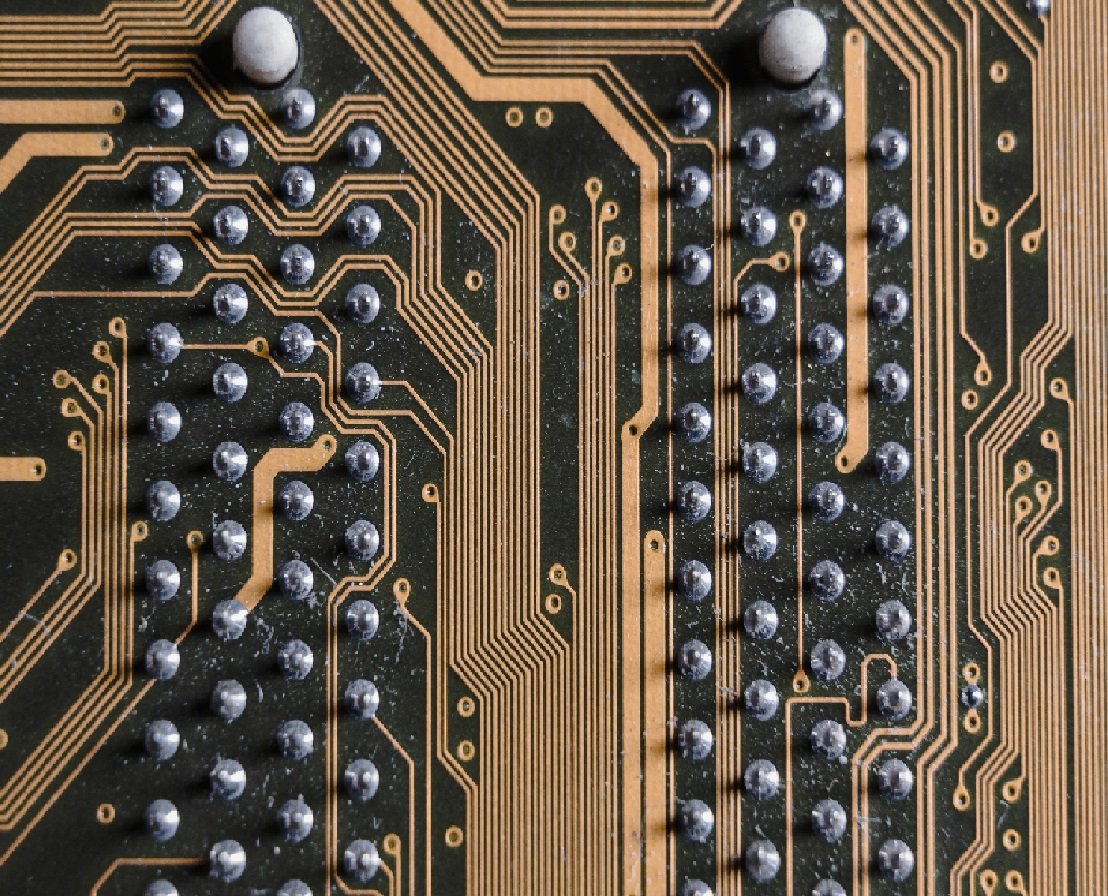
Introduction: In the world of electronics design and embedded systems, printed circuit boards (PCBs) play a vital role. These compact boards serve as the backbone, connecting various electronic components and enabling the functionality of complex systems. In this blog post, we will dive into the world of PCBs, exploring their significance in electronics design and embedded systems. Understanding Printed Circuit Boards (PCBs): PCBs, also known as circuit boards or simply boards, are flat, rigid surfaces made of non-conductive insulating material (usually fiberglass) with thin layers of conductive material (copper) on the surface. These conductive layers, called traces or tracks, form the pathways for electrical signals to travel between electronic components. The Importance of PCBs: 1. Layout and organization: PCBs provide a structured platform for arranging and integrating various electronic components. By neatly aligning the components and designing efficient trace layouts, PCBs optimize the overall performance of an electronics system while minimizing any signal interferences. 2. Miniaturization: PCBs allow for miniaturization of electronic devices. By utilizing multiple layers and advanced manufacturing techniques, complex functionalities can be packed into small form factors, making electronic devices more portable and lightweight. 3. Electrical connections: PCBs provide reliable and consistent electrical connections between components. The conductive traces ensure efficient signal propagation, minimizing losses and noise interference. Additionally, PCBs offer secure connections for soldered and socketed components, reducing the risk of loose connections or faulty wiring. 4. Signal integrity and impedance control: PCBs play a crucial role in maintaining signal integrity by controlling the impedance. Well-designed PCB layouts consider factors like trace length, width, and dielectric constant to match the required impedance levels, optimizing signal quality and reducing signal reflections. 5. Manufacturing and assembly: PCBs enable efficient manufacturing and assembly processes. They streamline the production by providing standardized connections, making it easier to mass-produce electronic devices. Additionally, automated assembly techniques like surface mount technology (SMT) rely on PCBs for accurate component placement and soldering. Design Considerations for PCBs: When designing PCBs for electronics and embedded systems, several factors must be considered: 1. Component placement: Efficient component placement considering electrical, thermal, and mechanical considerations is crucial. Placing components strategically on the board can reduce signal interference, optimize thermal management, and enhance the overall system performance. 2. Trace routing: Proper trace routing involves careful consideration of signal integrity and noise immunity. Minimizing trace lengths, avoiding crossing signals, and ensuring proper clearance between traces are essential to maintain the desired performance. 3. Power and ground planes: Incorporating power and ground planes in PCB design aids in reducing noise, improving signal integrity, and minimizing electromagnetic interference (EMI). These planes act as a low-impedance reference, resulting in better power distribution and reduced voltage drops. 4. Thermal management: Efficient thermal management is critical, especially for systems with high-powered components. PCB designers must consider heat dissipation, component placement, and thermal vias to ensure optimal operating temperature and prevent overheating. Conclusion: Printed circuit boards are an inseparable part of electronics design and embedded systems. From simplifying electronic connections to optimizing signal integrity and enabling miniaturization, PCBs play a vital role in the design, manufacturing, and functionality of electronic devices. As technology continues to advance, PCB design and implementation will remain crucial in creating innovative and high-performing electronic systems.


