Mitigating Risks in Electronics Design and Embedded Systems: A Comprehensive Risk Assessment
Category : |
Sub Category : Posted on 2023-10-30 21:24:53
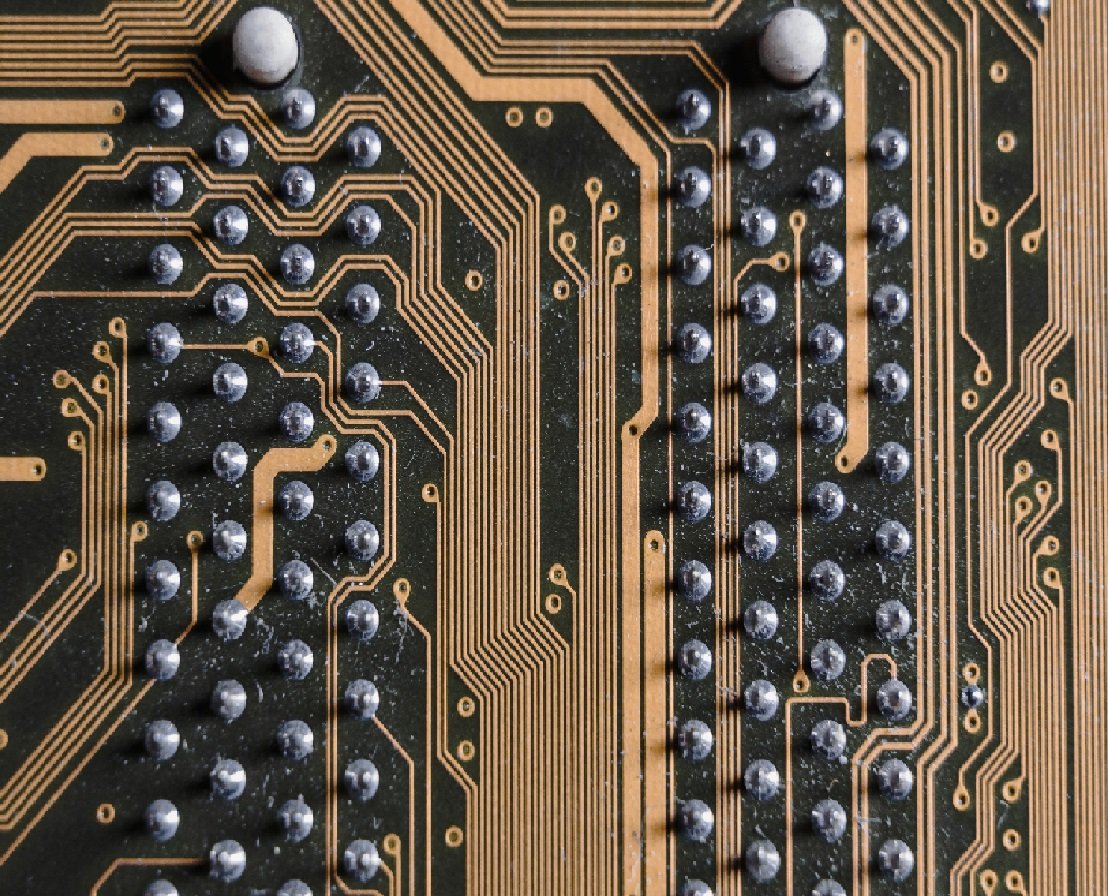
Introduction: In today's rapidly evolving technological landscape, electronic devices and embedded systems play a crucial role in almost every industry. From smartphones and smart devices to medical equipment and industrial machinery, these systems have become an integral part of our daily lives. However, like any other engineering discipline, electronics design and embedded systems come with their own set of risks and challenges. In this blog post, we will explore the importance of risk assessment in this field and discuss some strategies to mitigate these risks effectively. Understanding Risk Assessment: Risk assessment is a systematic approach that focuses on identifying, analyzing, and evaluating potential risks associated with a specific project or system. In the realm of electronics design and embedded systems, risk assessment aims to enhance product reliability, reduce costs, and ensure the safety and security of both users and stakeholders. Identifying and Analyzing Risks: The first step in mitigating risks in electronics design and embedded systems is to identify potential hazards and vulnerabilities. This involves conducting a thorough analysis of the system's architecture, components, interfaces, and external factors that may pose risks. Some common risks include hardware or software failures, security breaches, environmental factors, and compliance with regulatory requirements. After identifying these risks, it is essential to assess their probability of occurrence and potential impact. This evaluation helps in prioritizing risks based on their severity and likelihood, enabling engineers to allocate resources and implement appropriate risk mitigation measures. Implementing Risk Mitigation Strategies: 1. Redundancy and Backup Systems: Integrating redundancy and backup systems can significantly reduce the impact of component failures or software glitches. By designing with redundant components, it is possible to ensure continuous operation even if one component fails. Additionally, implementing regular backups of crucial data and software configurations helps mitigate the risk of losing valuable information. 2. Cybersecurity Measures: Given the interconnected nature of today's embedded systems, cybersecurity has become a critical concern. Incorporating robust security measures, such as encryption, secure communication protocols, and authentication mechanisms, can safeguard against unauthorized access, data breaches, or system manipulation. 3. Quality Assurance and Testing: Thorough quality assurance processes and comprehensive testing procedures are essential to identify defects and potential vulnerabilities early in the development cycle. Rigorous testing, including stress testing, unit testing, and system integration testing, can help identify and rectify weaknesses before systems are deployed in real-world scenarios. 4. Compliance with Regulatory Standards: Compliance with industry standards and regulatory requirements is crucial to ensure that electronic systems meet the necessary safety and performance standards. Engineers must stay updated with the relevant regulatory guidelines and design their systems accordingly to avoid legal and operational risks. 5. Continuous Monitoring and Maintenance: Even after a system is deployed, it is important to continuously monitor its performance and address any emerging issues promptly. Regular maintenance, software updates, and monitoring of critical parameters can help identify and mitigate risks associated with aging components, environmental factors, or evolving cybersecurity threats. Conclusion: Electronics design and embedded systems present both opportunities and risks. A comprehensive risk assessment process is paramount to address potential hazards and vulnerabilities, ensuring the reliability, safety, and security of these systems. By implementing effective risk mitigation strategies, such as redundancy, cybersecurity measures, quality assurance, compliance, and continuous monitoring, engineers can minimize risks and deliver robust and dependable products that meet the demands of our technology-driven world. For a comprehensive overview, don't miss: http://www.upital.com


