Revolutionizing Electronics Design and Embedded Systems: Risk Management with Artificial Intelligence
Category : |
Sub Category : Posted on 2023-10-30 21:24:53
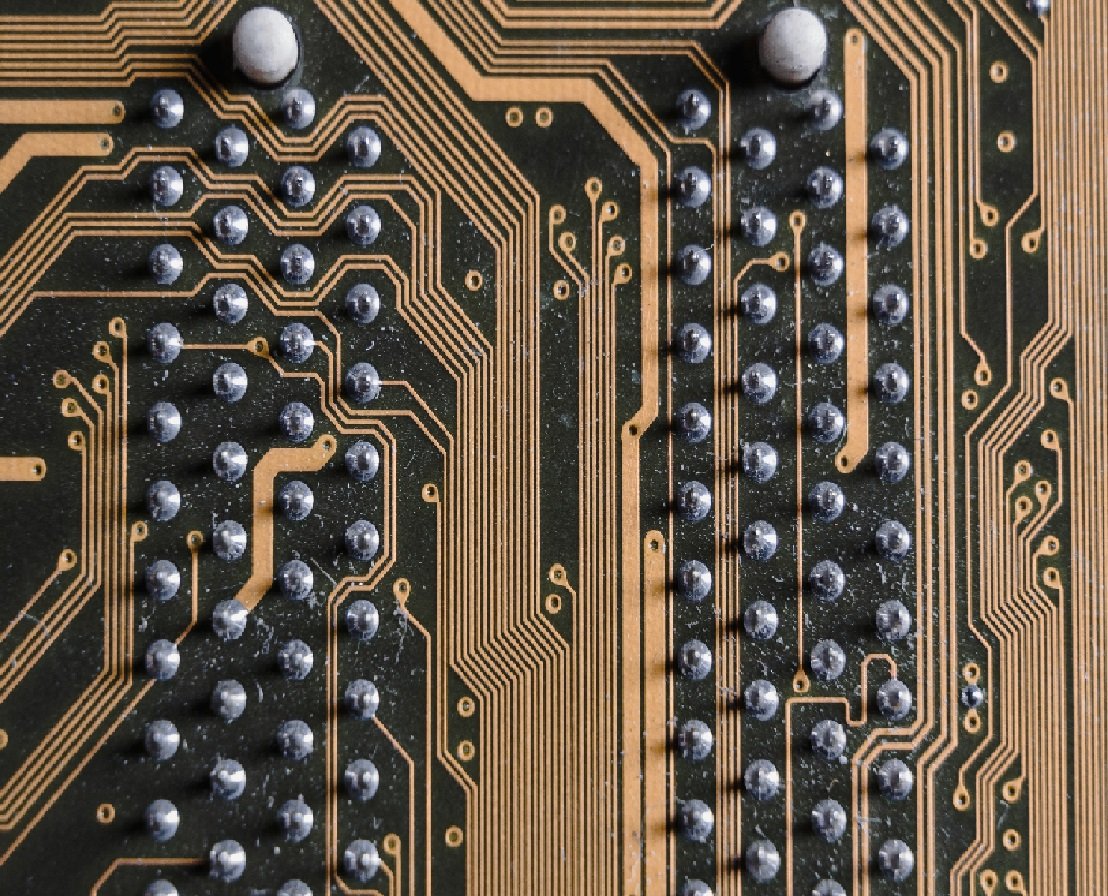
Introduction: The advent of artificial intelligence (AI) has undeniably transformed industries across the board. From healthcare to finance, AI has embedded itself into various sectors, revolutionizing traditional processes and unlocking unprecedented potential. In the realm of electronics design and embedded systems, risk management is no exception. In this blog post, we will delve into the realm of risk management in electronics design and examine how AI is playing a pivotal role in enhancing this critical process. Understanding Risk Management in Electronics Design: Electronics design encompasses the creation of electronic circuits and systems that power modern devices, ranging from consumer electronics to industrial machinery. These designs involve intricate component selection, optimization of circuit layouts, firmware programming, and interconnection planning. Navigating these complex processes while ensuring reliable and safe operations can be challenging, hence the need for effective risk management. Risk management in electronics design involves identifying potential risks and developing strategies to mitigate or eliminate them. This includes considerations such as component reliability, circuit performance, compliance with industry standards, and adherence to regulatory requirements. Traditionally, risk management relied heavily on human expertise, involving extensive analysis, simulation, and testing. The Role of Artificial Intelligence in Risk Management: Artificial intelligence, with its ability to analyze vast amounts of data and perform complex decision-making tasks, has emerged as a game-changer in risk management. Here are some ways AI is transforming risk management in electronics design and embedded systems: 1. Predictive Maintenance: AI can leverage data from embedded sensors, collect real-time performance information, and analyze it to predict potential failures or performance degradation. This early identification helps prevent catastrophic system failures, allowing for timely maintenance or component replacement. 2. Fault Diagnosis: AI algorithms can analyze patterns in system behavior and identify potential faults in electronic circuits or embedded systems. By assessing real-time data, AI can identify anomalies, pinpoint possible causes, and recommend corrective actions to mitigate risks before they escalate. 3. Component Selection and Optimization: AI-powered algorithms can explore vast libraries of electronic components, considering parameters such as reliability, performance, cost, and compatibility. By analyzing historical data and current requirements, AI can suggest optimal component selections, enhancing circuit reliability and reducing the risk of early failures. 4. Compliance and Regulation: Ensuring compliance with industry-specific regulations and standards is vital in electronics design and embedded systems. AI can automatically cross-check designs against these requirements, highlighting any deviations or potential risks. 5. Adaptive Testing and Validation: AI can automate the testing and validation processes, continuously adapting test cases and methodologies based on real-time system performance. This dynamic approach enhances risk management by continually fine-tuning the validation process, reducing false positives, and identifying potential risks that traditional testing methods might miss. Conclusion: Artificial intelligence is revolutionizing risk management in electronics design and embedded systems. By leveraging its capabilities in predictive maintenance, fault diagnosis, component selection, compliance monitoring, and adaptive testing, AI is enhancing the reliability, safety, and performance of electronic circuits and systems. As technology continues to advance, it is imperative for electronics designers and engineers to embrace AI-powered risk management solutions to stay ahead in a rapidly evolving industry. The fusion of human expertise with artificial intelligence is shaping the future of electronics design, ensuring safer, more efficient, and reliable products for consumers and industries alike. For a detailed analysis, explore: http://www.thunderact.com For more info http://www.vfeat.com


