Advances in Electronics Design and Embedded Systems: Revolutionizing Satellite Communication
Category : |
Sub Category : Posted on 2023-10-30 21:24:53
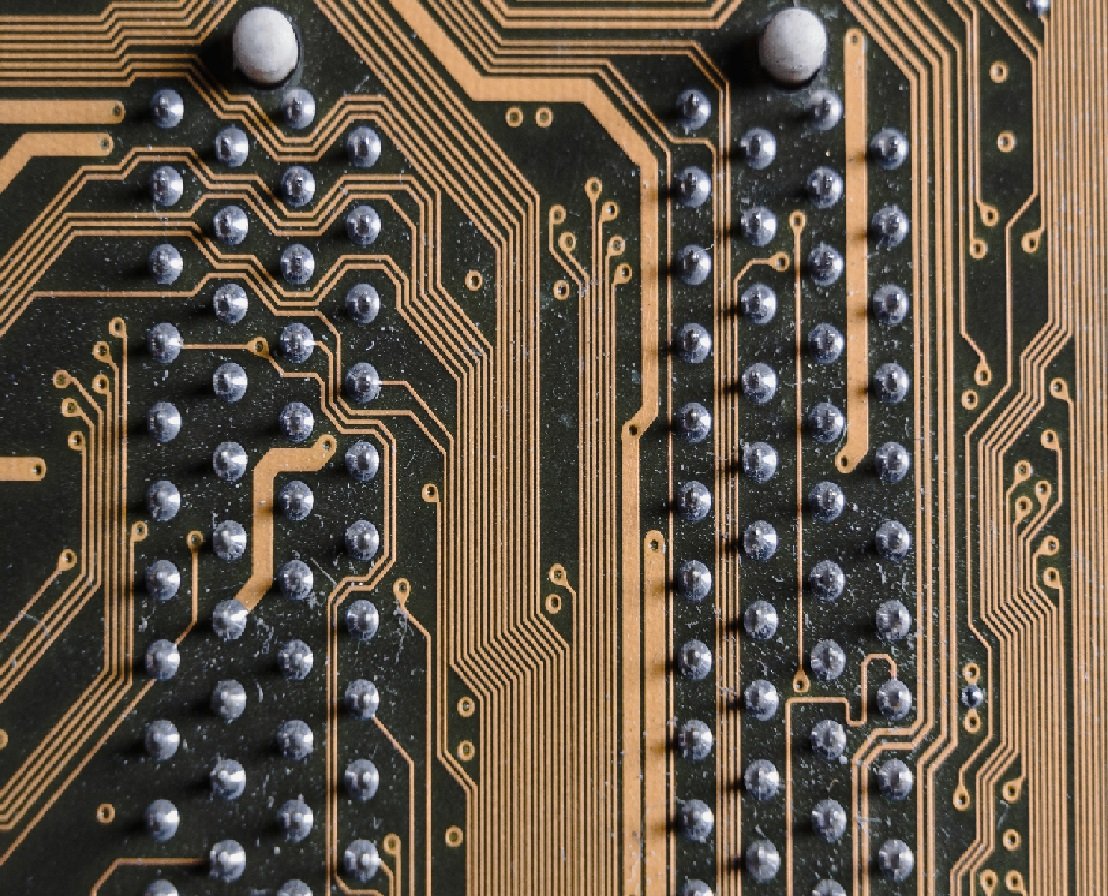
Introduction: Satellite communication has become indispensable in our modern world. It enables seamless global connectivity, plays a vital role in weather forecasting, navigation systems, and facilitates satellite TV broadcasts. At the heart of this technological marvel lies electronics design and embedded systems, which have made remarkable advancements in recent years. In this blog post, we will explore the fascinating ways in which electronics design and embedded systems have revolutionized satellite communication. 1. Miniaturization of Electronics: One of the key advancements in satellite communication is the miniaturization of electronic components. Electronics design engineers have successfully reduced the size and weight of satellite equipment, making it more efficient and cost-effective. Smaller components not only reduce launch costs but also allow for the deployment of multiple satellites simultaneously, creating satellite constellations for enhanced coverage and connectivity. 2. Power Optimization: Satellite communication systems rely heavily on power-efficient electronics. Embedded systems play a crucial role in managing power consumption, ensuring minimal energy usage without compromising performance. The development of low-power microcontrollers, energy harvesting techniques, and efficient power management systems have significantly extended satellite lifespans and improved overall performance. 3. High-Speed Data Transmission: Advancements in electronics design and embedded systems have led to the development of high-speed data transmission protocols, which have revolutionized satellite communication. Through efficient signal modulation techniques, such as frequency-shift keying (FSK) and quadrature amplitude modulation (QAM), satellites can transmit large volumes of data with increased bandwidth and reduced transmission delays. This has paved the way for bandwidth-intensive applications like streaming services, internet access, and remote sensing. 4. Software-Defined Radios (SDR): A notable development in satellite communication is the adoption of software-defined radios (SDRs). SDRs use digital signal processing (DSP) techniques to perform crucial functions, such as modulation, demodulation, and error correction. Unlike traditional radios, SDRs can be easily reprogrammed, allowing for adaptability and compatibility with various satellite communication standards. This flexibility enables satellite operators to upgrade and optimize their communication systems without requiring hardware modifications. 5. Enhanced Security Measures: With the growing reliance on satellite communication systems, the need for robust security measures has become increasingly significant. Electronics design engineers continually implement advanced encryption algorithms and secure hardware modules to protect critical data transmitted through satellites. Embedded security solutions, including trusted platform modules (TPM) and secure boot mechanisms, ensure the integrity and confidentiality of satellite communication, safeguarding against unauthorized access and cyber threats. Conclusion: Electronics design and embedded systems have significantly advanced satellite communication, revolutionizing global connectivity, weather forecasting, and various other applications. By pushing the boundaries of miniaturization, power optimization, high-speed data transmission, software-defined radios, and enhanced security measures, these technological advancements have made satellite communication more efficient, reliable, and accessible. As the demand for ubiquitous connectivity continues to increase, we can expect further innovations in electronics design and embedded systems, continuously enhancing the capabilities of satellite communication systems. To delve deeper into this subject, consider these articles: http://www.callnat.com


