Unlocking the Power of Electronics Design and Embedded Systems: A Guide to Signal Integrity
Category : |
Sub Category : Posted on 2023-10-30 21:24:53
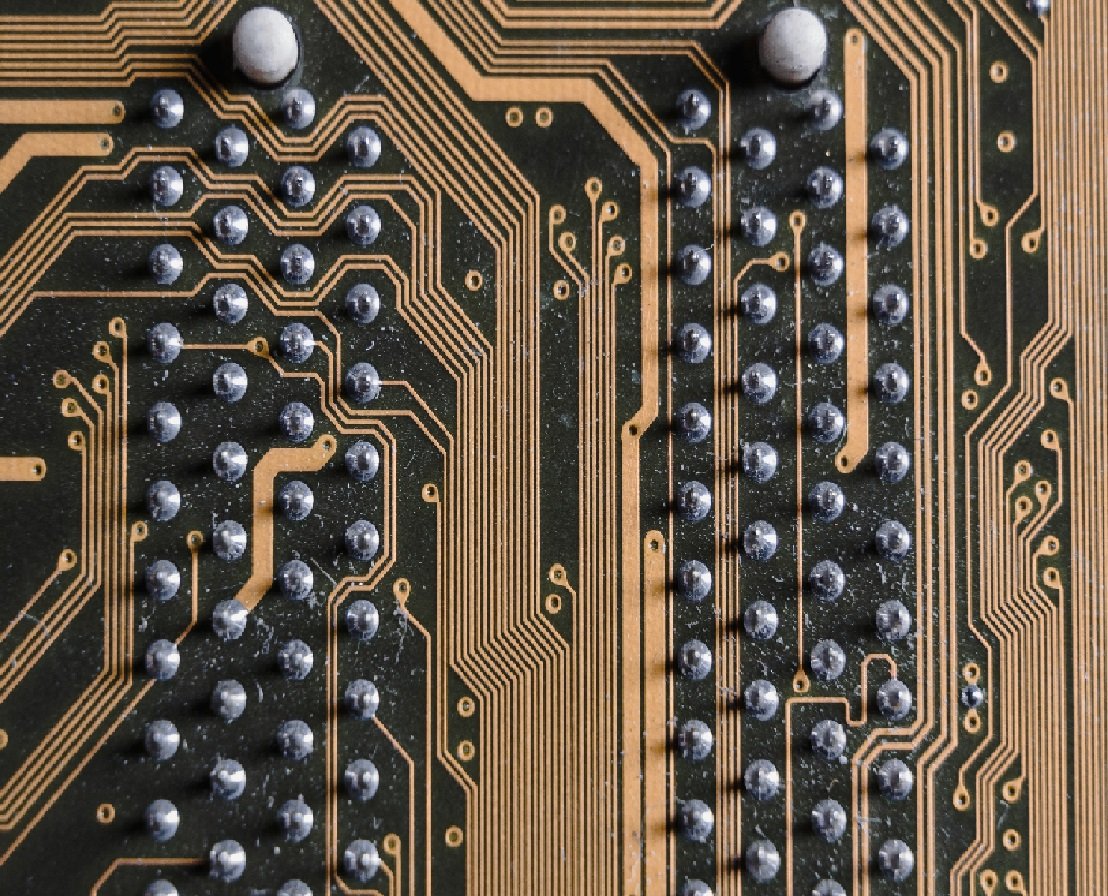
Introduction: In today's rapidly advancing technological landscape, electronics design and embedded systems play a crucial role in the development of various devices. From smartphones to smart homes, signal integrity is a key factor that can make or break the performance of these cutting-edge gadgets. In this blog post, we will delve into the world of signal integrity and explore the essentials of electronics design and embedded systems. Understanding Signal Integrity: Signal integrity refers to the ability of an electronic system to transmit and receive signals without distortion or interference. In simple terms, it is the measure of how well a signal propagates through a circuit or a system, ensuring that the intended information is accurately conveyed. It involves analyzing and optimizing multiple factors such as impedance matching, noise reduction, and electromagnetic interference (EMI) mitigation. The Importance of Signal Integrity in Electronics Design: Signal integrity is a critical aspect of electronics design, especially in high-speed digital systems. Poor signal integrity can lead to various issues like data corruption, unreliable communication, and reduced system performance. By prioritizing signal integrity from the early stages of a design, engineers can ensure optimal functionality, improve reliability, and ultimately enhance the user experience of electronic devices. Factors Affecting Signal Integrity: 1. Transmission Line Effects: The characteristics of the transmission line, such as impedance, length, and termination, directly impact signal integrity. Proper impedance matching allows signals to propagate without reflections, minimizing signal degradation. 2. Noise and Crosstalk: Noise, both internally generated and externally coupled, can interfere with signals and degrade their integrity. Crosstalk, the unwanted coupling of signals between adjacent traces, can cause signal distortion. Proper grounding and shielding techniques can mitigate these issues. 3. EMI/EMC Considerations: Electronics devices often operate in environments with various electromagnetic fields, which can introduce electromagnetic interference (EMI). Proper electromagnetic compatibility (EMC) measures including shielding and filtering are crucial to maintain signal integrity. 4. Power Integrity: Maintaining clean and stable power delivery is essential for signal integrity. Voltage fluctuations and noise on power supply lines can impact the performance of electronic components and disrupt the transmission of signals. Best Practices for Signal Integrity in Electronics Design: 1. Careful PCB Layout: Proper placement and routing of components and traces are vital for signal integrity. Minimizing signal paths, reducing trace length, and employing proper ground planes are some crucial considerations. 2. Impedance Matching: Matching the impedance of the transmission lines to the source and load impedance ensures minimal signal reflections and maximum power transfer. This can be achieved by careful selection of transmission line parameters and proper termination techniques. 3. Signal Integrity Simulation and Analysis: Utilizing specialized software tools for signal integrity simulation and analysis helps identify potential issues early in the design phase. These tools allow engineers to evaluate the impact of different design choices on signal integrity, enabling them to make informed decisions. 4. EMI/EMC Mitigation: Incorporating proper shielding, filtering, and grounding techniques can minimize EMI and improve signal integrity. Utilizing EMI simulation tools can aid in identifying potential points of concern. Conclusion: Signal integrity is a crucial aspect of electronics design and embedded systems, ensuring the reliable transmission of signals and optimal performance of electronic devices. By understanding and implementing best practices for signal integrity, engineers can design robust and high-performing systems. By investing time and effort into signal integrity considerations, manufacturers can revolutionize the way we interact with technology, leading to more innovative and efficient devices in the future.


