Mastering the Art of Surface Mount Technology in Electronics Design and Embedded Systems
Category : |
Sub Category : Posted on 2023-10-30 21:24:53
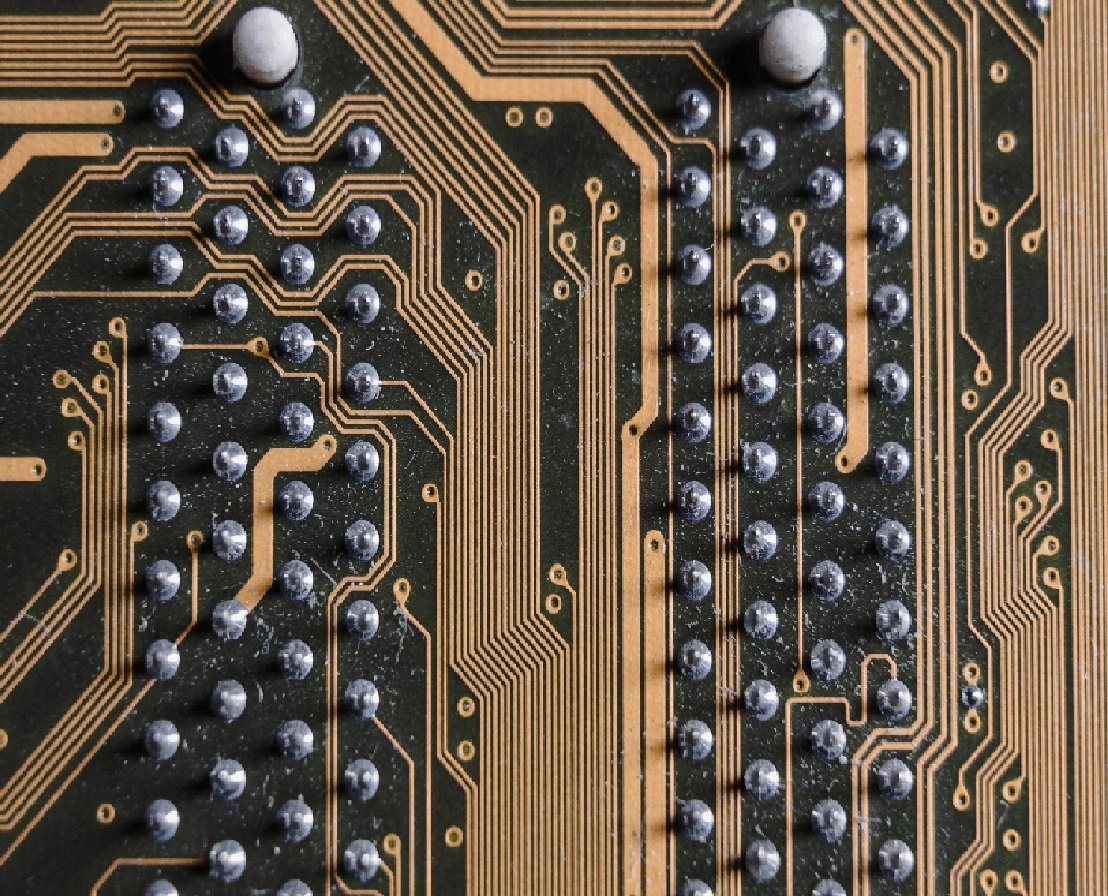
Introduction: In the world of electronics design and embedded systems, Surface Mount Technology (SMT) has become the go-to method for creating high-performance and miniaturized electronic devices. With the ability to densely pack components on a board, SMT offers improved efficiency, reduced size, and increased reliability. In this blog post, we will explore the fascinating world of SMT electronics, its advantages, challenges, and the key considerations for designing and implementing SMT-based systems. 1. Understanding Surface Mount Technology (SMT): Surface Mount Technology is a process that involves mounting electronic components directly onto the surface of a printed circuit board (PCB), as opposed to the through-hole method where components are inserted into drilled holes. SMT offers several advantages over through-hole technology, including smaller component sizes, increased component density, better electrical performance, and cost-effectiveness. 2. Advantages of Surface Mount Technology: a. Size Reduction: SMT components are significantly smaller than through-hole components, allowing for the design and production of miniaturized electronic devices. b. Improved Electrical Performance: SMT components have shorter lead lengths compared to through-hole components, leading to reduced parasitic capacitance and inductance. This results in improved high-frequency performance, reduced noise, and better signal integrity. c. Higher Component Density: With SMT, components can be densely packed on both sides of the PCB, maximizing the use of available space. d. Automated Assembly: SMT is compatible with automated assembly processes, enabling faster and cheaper production compared to manual through-hole soldering. 3. Challenges in Surface Mount Technology: While SMT offers numerous benefits, it also presents unique challenges that need to be overcome to ensure robust and reliable designs. Some of the key challenges include: a. Component Size and Handling: Working with small SMT components requires specialized tools and techniques. Precise placement, alignment, and rework can be challenging for engineers who are new to SMT. b. Thermal Management: The compact size of SMT components and their proximity to each other can result in increased heat generation. Proper thermal management techniques, such as heat sinks and careful PCB layout, are critical to ensure the longevity and performance of SMT-based systems. c. Soldering Techniques: SMT components are typically soldered using reflow soldering techniques, which require precise temperature control and solder paste application. Inadequate soldering can lead to poor electrical connections, reliability issues, and premature failure. 4. Design Considerations for SMT Electronics: To optimize the performance and reliability of SMT-based systems, designers need to consider the following aspects: a. Component Selection: Choosing the right components with appropriate ratings, lead pitch, and reliability specifications is essential for successful SMT implementation. b. PCB Layout: Proper PCB layout is crucial to ensure signal integrity, thermal management, and the avoidance of soldering issues. Techniques such as proper component placement, trace routing, and ground plane design should be carefully considered. c. Design for Manufacturability (DFM): Collaborating with manufacturers during the design phase helps incorporate their expertise and ensure that the design is manufacturable, reducing the risk of errors and lowering production costs. Conclusion: Surface Mount Technology has revolutionized the world of electronics design and embedded systems, allowing for smaller, more efficient, and affordable devices. Mastering the art of SMT requires a deep understanding of its advantages, challenges, and design considerations. By embracing SMT, designers can unlock a new realm of possibilities in electronics innovation, enabling the development of cutting-edge products that shape the future of technology.


