Understanding Electronic Products and Electromagnetic Compatibility
Category : |
Sub Category : Posted on 2023-10-30 21:24:53
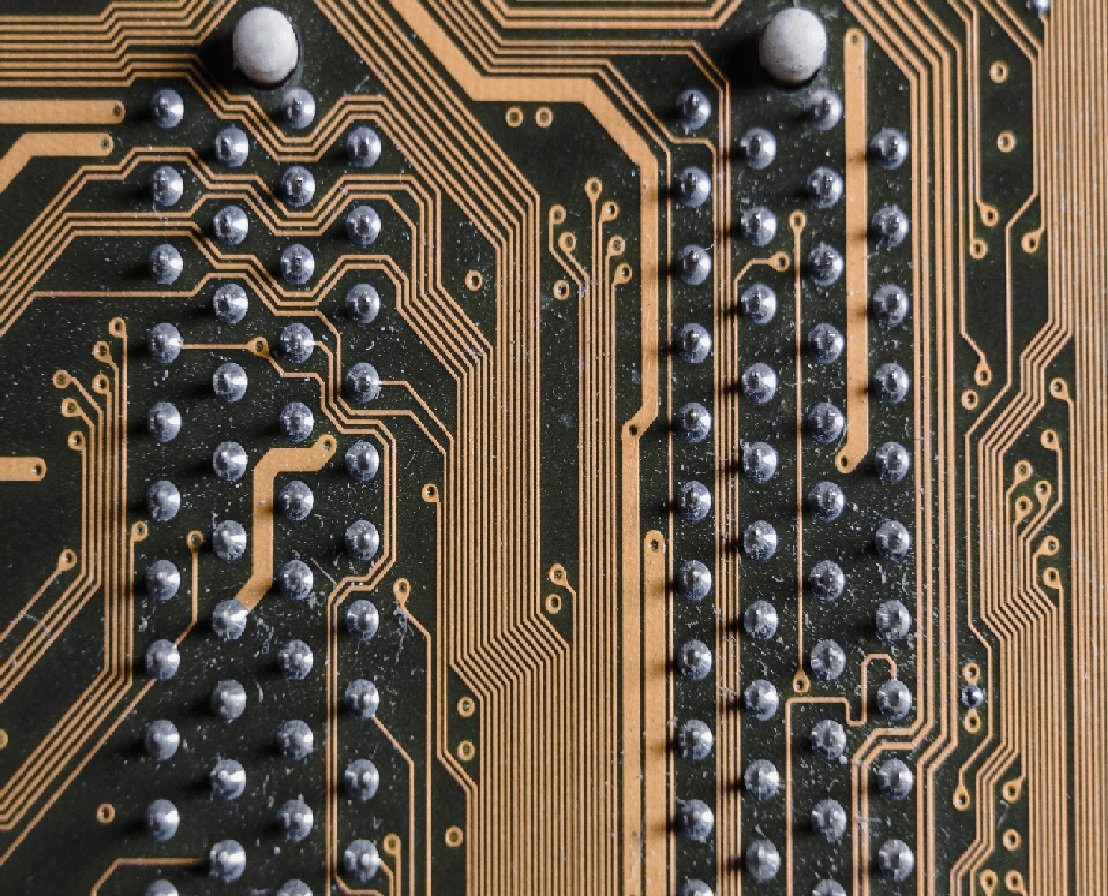
Introduction: In today's technology-driven world, electronic products surround us everywhere we go. From smartphones and laptops to home appliances and medical devices, electronic devices have become an integral part of our lives. However, have you ever wondered how these devices coexist without interfering with each other's functionality? The answer lies in a concept known as electromagnetic compatibility (EMC). In this blog post, we will explore what electronic products EMC is, why it is important, and how it is achieved. What is Electromagnetic Compatibility (EMC)? EMC refers to the ability of electronic devices to function correctly in their intended electromagnetic environment without causing electromagnetic interference (EMI) to other devices. Every electronic product generates electromagnetic energy as a byproduct of its operation, which, if not properly managed, can cause disruptions or malfunctions in other nearby devices. Importance of EMC in Electronic Products: Ensuring EMC is crucial for various reasons, including: 1. Consumer Safety: EMC compliance ensures that electronic products will not cause harm to users or interfere with critical equipment like medical devices or aircraft systems. 2. Reliability: Uncontrolled electromagnetic interference can lead to malfunctions or even complete failure of electronic products, compromising their reliability and performance. 3. Legal and Regulatory Compliance: Many countries have specific standards and regulations regarding EMC that manufacturers must meet to bring their electronic products to market. 4. Avoiding Financial Losses: Non-compliance with EMC standards can result in costly product recalls, fines, or legal actions, leading to significant financial losses for manufacturers. How is EMC Achieved in Electronic Products? To achieve EMC, manufacturers must consider both the emissions (radiated and conducted) and the susceptibility (immunity) of their electronic products. Here are some key measures taken during the design and testing phase: 1. Grounding and Shielding: Proper grounding and shielding techniques help minimize the emissions and susceptibility of electronic products. This involves using conductive materials and enclosures to contain and redirect electromagnetic energy. 2. Filtering: Employing filters on power supply lines and signal lines helps attenuate unwanted electromagnetic noise, reducing the chances of interference with other devices. 3. Compliance Testing: Manufacturers subject their electronic products to rigorous EMC compliance testing. This involves evaluating the emissions and immunity characteristics to ensure they meet the required standards. 4. Design for EMC: EMC considerations should be incorporated into the design process from the early stages. Proper component placement, PCB layout, and circuit design techniques can significantly minimize EMI risks. Conclusion: Electromagnetic compatibility is crucial for the seamless coexistence and functionality of electronic products. With the increasing complexity and density of electronic devices, ensuring EMC has become more challenging but equally important. Manufacturers must employ proper design practices, effective shielding, and compliance testing to meet the required EMC standards. By doing so, they can ensure user safety, minimize electromagnetic interference, and bring reliable and compliant products to market. Want a deeper understanding? http://www.wootalyzer.com


