The Power of FPGA Electronics: Revolutionizing the World of Electronic Products
Category : |
Sub Category : Posted on 2023-10-30 21:24:53
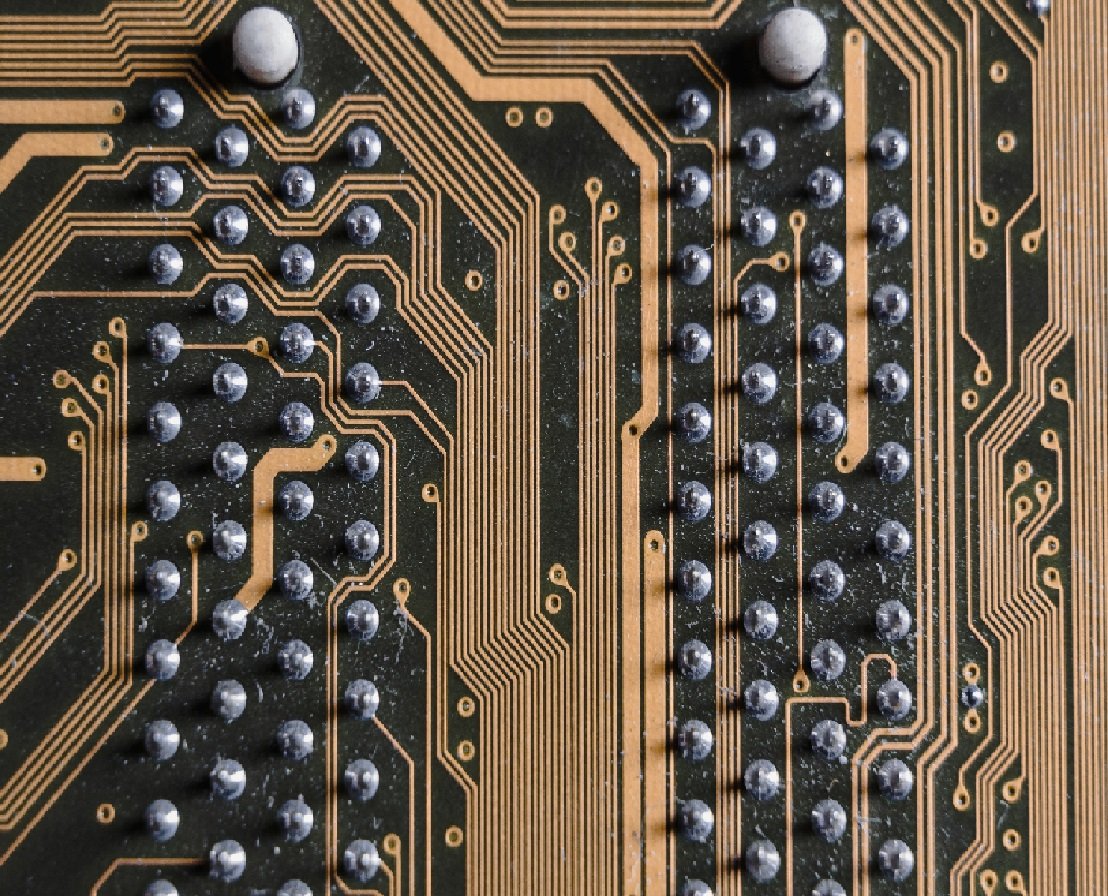
Introduction: In the fast-paced realm of technology, where innovation is the driving force, electronic products have undergone remarkable transformations over the years. One such game-changer is Field-Programmable Gate Arrays (FPGAs). These powerful programmable devices have revolutionized the way electronic products are designed, offering unmatched versatility, speed, and scalability. In this blog post, we will delve deeper into the world of FPGA electronics, exploring their applications, advantages, and the impact they have had on the industry as a whole. What are FPGA Electronics? Field-Programmable Gate Arrays (FPGAs) are integrated circuits that can be programmed after manufacturing. Unlike traditional Application-Specific Integrated Circuits (ASICs), which are permanently configured, FPGAs offer immense flexibility. This flexibility enables designers to create custom digital circuits and systems, tailoring them to specific applications. Applications: The use of FPGA electronics spans across various industries due to their adaptability. Here are a few notable applications: 1. Communication Systems: FPGA electronics play a crucial role in wireless communication systems, including mobile devices, base stations, and network switches. The ability to reconfigure FPGA devices allows for swift updates, enhancing network performance and addressing emerging standards. 2. Aerospace and Defense: FPGAs are extensively used in aerospace and defense applications, where reliability and security are paramount. These devices power mission-critical systems like radar systems, avionics, and unmanned aerial vehicles (UAVs) due to their real-time processing capabilities and resistance to radiation-induced errors. 3. Internet of Things (IoT): In the rapidly growing IoT landscape, FPGAs act as a bridge between physical sensors and the software layer. They enable efficient data processing, protocol translations, and customization, making them ideal for IoT gateways, industrial automation, and smart infrastructure. Advantages of FPGA Electronics: FPGA electronics offer numerous advantages that set them apart from other technologies: 1. Flexibility: The primary advantage of FPGAs is their ability to be reprogrammed and reconfigured as needed. This allows for rapid prototyping, iterative design changes, and adaptation to evolving standards without requiring complete hardware redesigns. 2. High Performance: FPGAs are capable of high-speed parallel processing, making them ideal for computationally intensive tasks. Their ability to implement complex algorithms in hardware leads to enhanced processing capabilities, lower latency, and improved efficiency. 3. Cost Optimization: With FPGAs, manufacturers can reduce the overall component count by integrating multiple functionalities into one device. This consolidation reduces costs associated with assembly, power consumption, and development time. 4. Prototyping and Low-Volume Production: FPGAs enable designers to create functional prototypes quickly, speeding up the product development cycle. This makes them an excellent choice for start-ups and low-volume production, minimizing initial investments. Impact on the Electronics Industry: FPGA electronics have had a profound impact on the entire electronics industry. Here are some ways they have transformed the landscape: 1. Accelerated Innovation: FPGAs have paved the way for faster innovation by reducing design cycle times. Designers can rapidly prototype, verify, and revise their designs, leading to quicker time-to-market for new products. 2. Customization and Differentiation: FPGA electronics allow manufacturers to differentiate their products by implementing unique features and functionality. This ability to customize hardware can be a competitive advantage in today's crowded market. 3. Cost-Effective Solutions: The versatility of FPGAs allows for the consolidation of multiple components, reducing material costs and overall production costs. This cost optimization leads to more affordable solutions for both manufacturers and consumers. Conclusion: FPGA electronics have truly revolutionized the world of electronic products. Their ability to be programmed and reprogrammed, coupled with their high performance and cost optimization, makes them invaluable in numerous industries. As technology continues to advance, we can expect FPGA electronics to play an even more significant role in shaping the future of electronic product design, continually pushing the boundaries of what is possible. also visit the following website http://www.wootalyzer.com


