Understanding the Role of Printed Circuit Boards (PCBs) in Electronic Products
Category : |
Sub Category : Posted on 2023-10-30 21:24:53
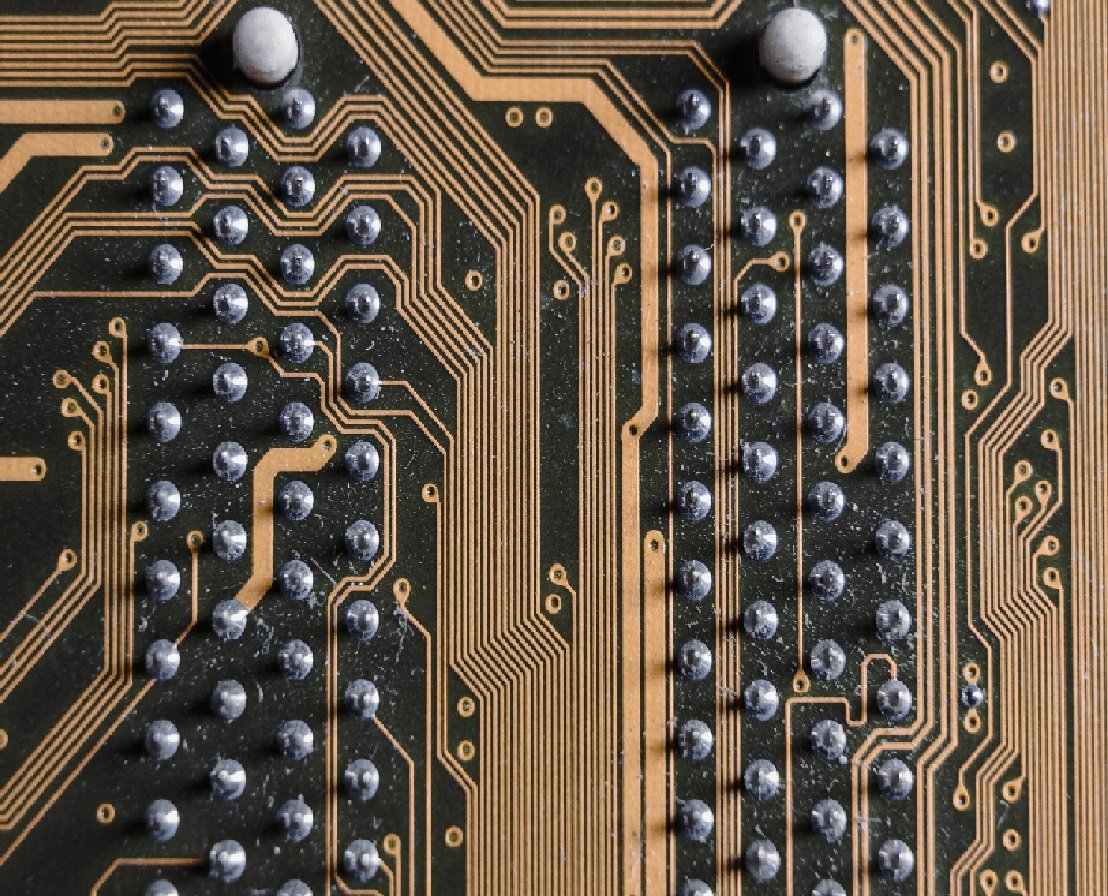
Introduction: Printed Circuit Boards (PCBs) are an essential component of almost every electronic device we use today. From smartphones and laptops to household appliances and automobiles, PCBs play a crucial role in providing functionality, connectivity, and efficiency. In this blog post, we will explore the importance of PCBs in electronic products and how they contribute to the seamless functioning of our modern technological world. 1. What is a Printed Circuit Board (PCB)? A PCB is a thin board made of non-conductive materials, usually fiberglass or composite epoxy, with a layer of conductive tracks and pads etched onto its surface. These tracks and pads form the wiring connections between electronic components, allowing them to communicate and interact with each other. 2. Functionality and Connectivity: PCBs provide the backbone for electronic products by hosting and connecting various components such as microprocessors, memory chips, capacitors, resistors, and transistors. Each component is soldered onto the PCB, forming an interconnected network. This network allows electrical signals to flow, enabling the device's functionality and providing the necessary connectivity. 3. Compact Design and Space Optimization: One of the significant advantages of PCBs is their ability to accommodate intricate circuitry in a compact space. By arranging the components and circuitry on multiple layers of the board, PCBs enable designers to maximize the use of available space, making electronic products smaller and more portable. This compact design also helps in reducing manufacturing costs and makes the devices more lightweight. 4. Signal Integrity and Electrical Performance: PCBs are carefully designed to ensure signal integrity and proper electrical performance. The conductive tracks on the PCB are precisely routed and calculated to minimize noise, cross-talk, and signal loss. Signal integrity is crucial for electronic devices as it ensures reliable communication between components, preventing data corruption and system failures. 5. Testing and Quality Assurance: Before electronic products reach the market, PCBs undergo rigorous testing and quality assurance processes. These tests ensure that the PCBs can withstand various environmental conditions such as temperature fluctuations, humidity, and vibration. Additionally, thorough testing ensures that the PCBs meet the required electrical performance standards and comply with industry regulations. 6. Advancements in PCB Technology: Over the years, PCB technology has evolved significantly, primarily driven by the demand for smaller, faster, and more efficient electronic products. High-density interconnect (HDI) PCBs, flexible PCBs, and multi-layer PCBs are some modern advancements that have revolutionized electronic design and manufacturing. These advancements enable complex circuitry, improved signal integrity, and increased functionality in electronic products. Conclusion: Printed Circuit Boards (PCBs) are the unsung heroes of electronic products, facilitating seamless communication, connectivity, and functionality. From smartphones to medical equipment, the role of PCBs cannot be overstated. As technology continues to advance, PCBs will play an even more crucial role in enabling innovation and pushing the boundaries of what is possible in the world of electronics. Explore this subject further by checking out http://www.wootalyzer.com


