Demystifying Signal Integrity in Electronic Products: Key Considerations and Best Practices
Category : |
Sub Category : Posted on 2023-10-30 21:24:53
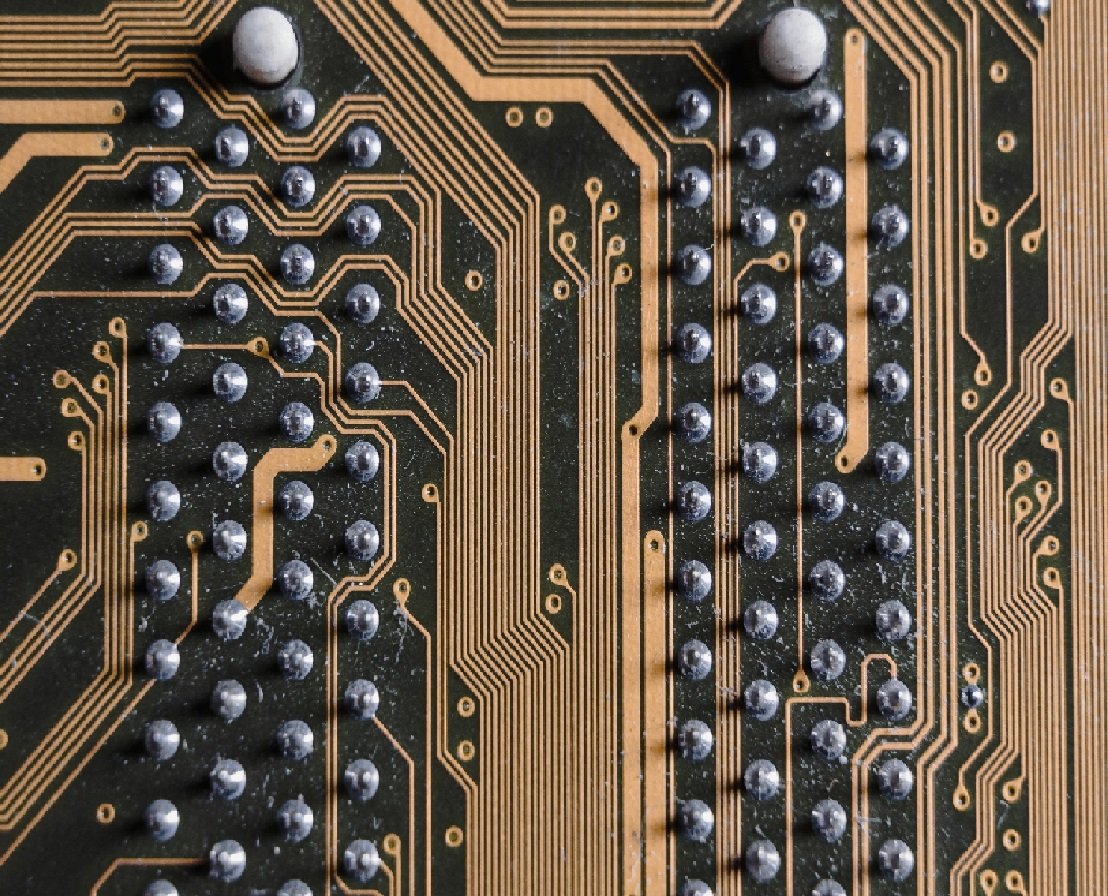
Introduction: When it comes to designing electronic products, signal integrity is one of the critical factors that can make or break a design's performance. With the ever-increasing complexity and speed of electronic systems, ensuring robust signal integrity has become more crucial than ever. In this blog post, we will delve into the world of signal integrity and discuss key considerations and best practices for designing electronic products that deliver superior performance and reliability. Understanding Signal Integrity: Signal integrity refers to the ability of an electronic system to transmit and receive signals accurately without any distortion or degradation. It encompasses various aspects, including minimizing noise, maintaining signal integrity across transmission lines, and combating signal integrity issues like crosstalk, reflections, and electromagnetic interference (EMI). Key Considerations for Signal Integrity: 1. Transmission Line Design: Proper transmission line design is critical to maintain signal integrity. Consider factors such as trace impedance, routing techniques, and stack-up configurations to minimize signal distortion and maintain impedance matching for optimal signal transfer. 2. Power Integrity: Maintaining clean and stable power distribution is essential for signal integrity. Carefully design power planes, decoupling capacitors, and filtering techniques to reduce power noise and supply voltage variations that can adversely affect signals. 3. PCB Layout: The layout plays a significant role in signal integrity. Employ appropriate routing techniques to minimize routing lengths, reduce signal crosstalk, and control impedance discontinuities. Implement proper grounding techniques, signal isolation, and optimized component placement to mitigate EMI issues. 4. Signal Reflections: Reflections occur when a signal encounters impedance mismatches or discontinuities along the transmission path. Mitigate reflections by implementing appropriate termination techniques like series resistors, parallel termination, or impedance matching networks. 5. Crosstalk: Crosstalk is an undesired coupling of signals between adjacent traces. It can lead to signal distortion and degradation. To mitigate crosstalk, maintain adequate spacing between traces, use shielded cables or differential signaling techniques, and employ proper isolation measures. Best Practices for Signal Integrity: 1. Simulate and Validate: Utilize signal integrity simulation tools to predict and validate signal performance before prototyping. These tools help identify potential issues early on, reducing costly design iterations. 2. Grounding and EMI: Establish a robust grounding strategy using dedicated ground planes and different ground regions for analog and digital signals. Implement proper EMI shielding techniques like solid ground planes, ferrite beads, and shielding cans to minimize electromagnetic interference. 3. Controlled Impedance: Maintain controlled impedance throughout the transmission lines by utilizing suitable stack-up configurations and impedance calculators. Use impedance-controlled trace routing and controlled dielectric materials to minimize signal degradation. 4. Test and Measurement: Carry out thorough testing and measurement of signal integrity using tools like oscilloscopes, eye diagrams, and time domain reflectometry. These tests help pinpoint signal integrity issues and verify the effectiveness of implemented mitigation techniques. Conclusion: Ensuring robust signal integrity is paramount in designing electronic products that deliver superior performance and reliability. By considering key aspects such as transmission line design, power integrity, PCB layout, and addressing signal integrity challenges like reflections and crosstalk, designers can create electronic products that meet stringent signal integrity requirements. By following best practices, such as simulation, grounding, controlled impedance, and thorough testing, designers can greatly enhance the signal integrity of their electronic products, leading to improved functionality and customer satisfaction. For a different perspective, see: http://www.wootalyzer.com


